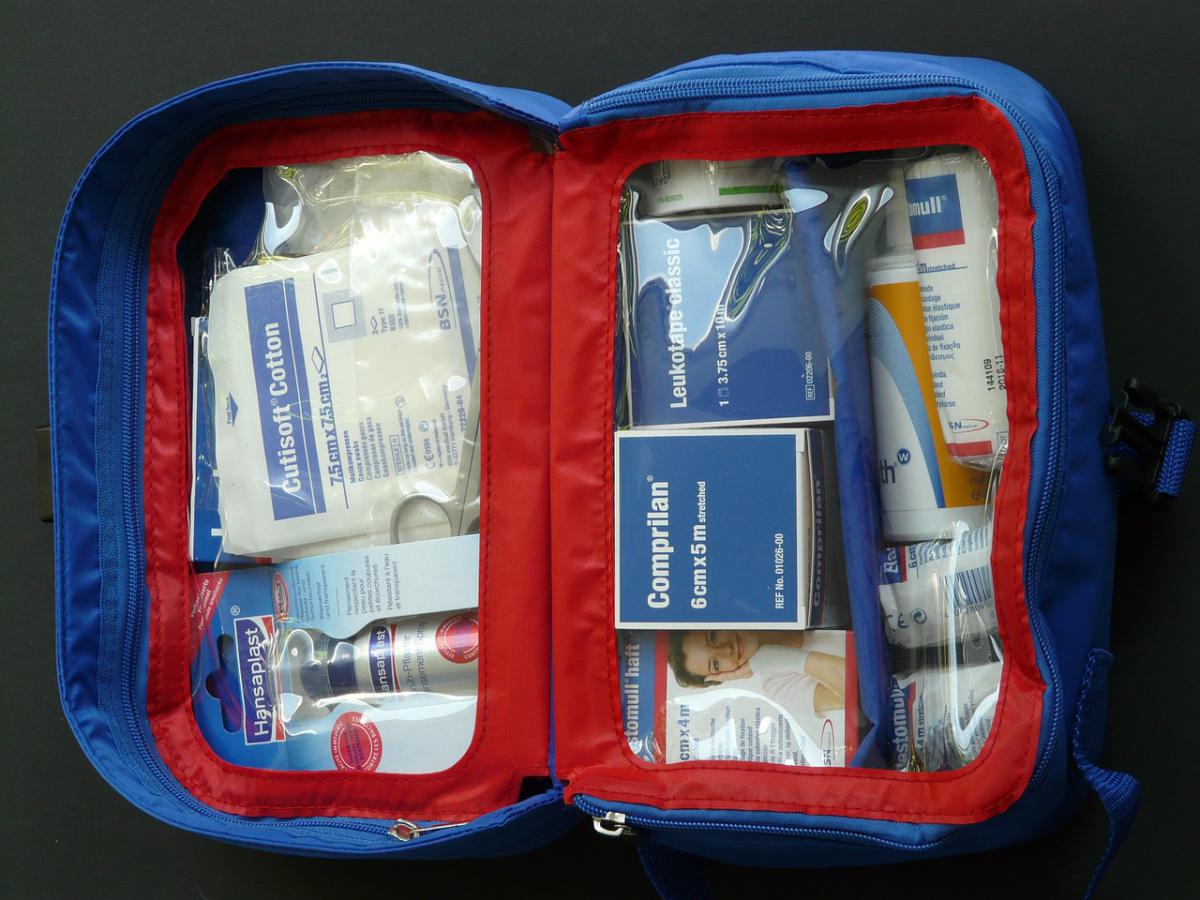
The first point to keep in mind is that it's not just about putting together a kit based on a theoretical checklist of what to bring. It's also about knowing the function of each of the items we're carrying in it.
We need to know exactly what each item is, what it's for, in what cases we'd use it, and how often.
Second point:
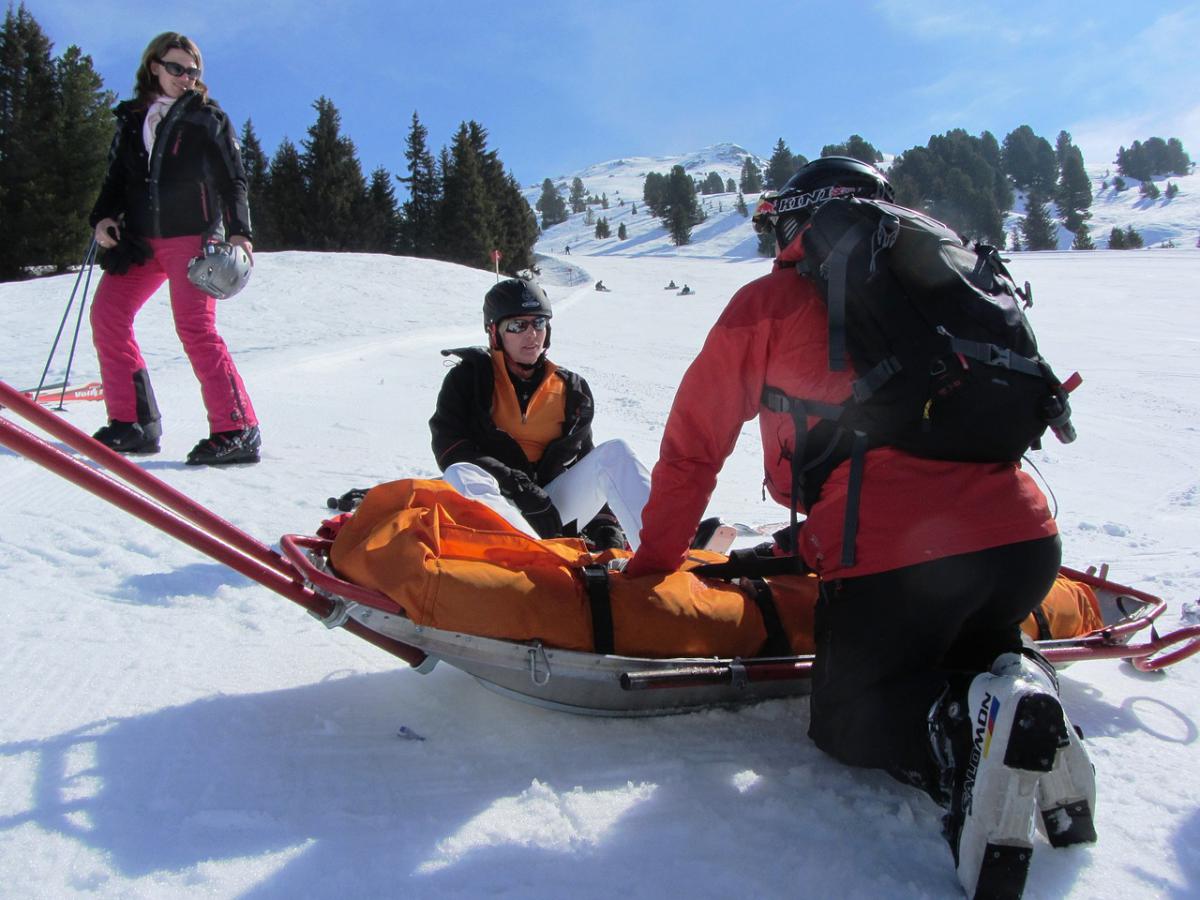
As good adventurers, it's essential to learn the basic maneuvers of primary and secondary care in areas where we don't have access to ambulances. Knowing how to respond to a potential accident helps prevent a minor injury from turning into a serious one, and in more extreme cases, can save your own life and those of your companions.
Third point:
What we're aiming for is to stabilize the victim so they can receive definitive medical care, if needed.
It's worth clarifying this point so we're aware that we are not doctors, and therefore have no authority to act as such.
Of course, we must be responsible and professional when acting, in order to handle the situation safely and in line with the basic principles of primary care.
How do you put together your first aid kit?
We need to consider where we're going, the weather, and the number of people (the more people, the greater the risk of accidents).
Let's start with the basic items ...
Biosafety:
Biosafety items are the ones used by whoever is treating the victim. They protect us from illness or other issues.
- CPR mask
- Gloves
- Safety glasses
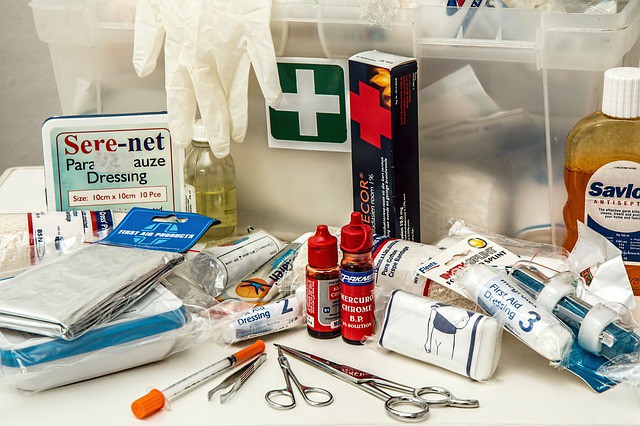
Wound Kit:
- The wound kit is made up of a set of items, all suited to preventing possible infections.
- Irrigation syringe.
- Povidone-iodine (1%)
- Hydrogen peroxide
- Sterile gauze
- Bandages
- Tweezers
- Lighter
- Trauma shears
Burns and Blisters Kit:
The best way to treat a burn, depending on its degree, is with a specific cream made for that purpose.
- The mountaineer's secret for blisters is duct tape, sold at any hardware store: tape over the injured area so it no longer bothers you, and it also eases the stinging.
- Platsul (burn cream)
- Duct tape (the special hardware-store kind)
Other
The foil blanket, or survival blanket, is useful as a supplement for thermal shock, and can also be made at home (a topic we'll cover in part two of this article).
- Thermometers
- Foil blanket
- Thermal shock pack
Medications
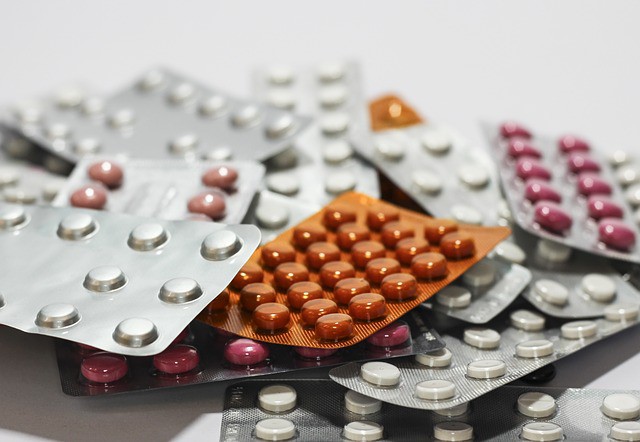
The items listed below are only meant to give you an idea of a standard kit. Everyone should put together their own kit thoughtfully, knowing what they're carrying and why they're carrying it; along with the medications, keep the package insert that comes in the box, to consult if needed.
- Fever, pain and inflammation (Ibuprofen, paracetamol, aspirin, Diclofenac, ketorolac)
- Vomiting and Nausea (metoclopramide)
- Diarrhea (activated charcoal tablets and oral rehydration salts)
- Allergy and anaphylaxis (1:1000 adrenaline and Diphenhydramine, anti-allergy lotion)
- Nasal congestion (Loratadine-pseudoephedrine)
- Bronchospasm and asthma attacks (Salbutamol, Dexamethasone)
- Antibiotics (Cephalexin, Amoxicillin, Erythromycin, Norfloxacin)
Where in the backpack should we keep our kit?
We should always keep the first aid kit within reach, somewhere easy and quick to access. The best spot is in the top lid of the backpack, or somewhere in the main body of the pack as long as it's the first thing you grab when you reach in.
We must remember that prevention is the main tool for avoiding situations where first aid becomes necessary.
We suggest taking a first aid course, as this information does not replace proper training.
Backcountry First Aid Course, click here (See More)