The long-awaited moment has arrived. My vacation is coming up, a long weekend, or simply the time I've chosen. The trip already feels real. We start going through the checklist of things we need for the trip. We set aside what we already have, try to get what's missing, go out to buy last-minute items. And yet, we rarely stop to think about the things that are essential but that we can't buy.
Physical condition and mental condition are two important factors for being able to enjoy and achieve the goals of any trekking or mountaineering trip.
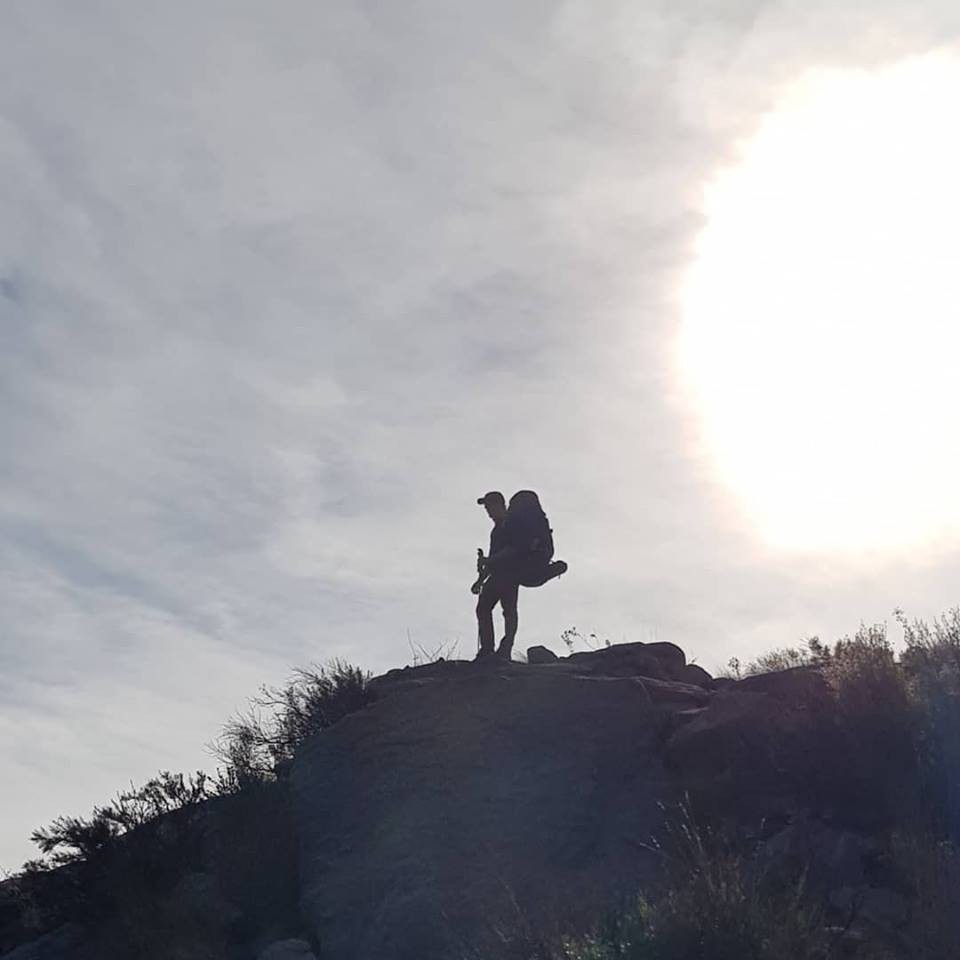
Physical condition is the mountaineer's physical performance capacity, and it depends on several factors:
• Body constitution: These are the specific traits of each body, such as overall health, agility, and bone structure.
• Fitness: Determined by endurance, strength and flexibility. We distinguish between General Fitness (the foundation for taking on any sport) and Specific Fitness (the development of each capacity according to its importance for each discipline).
• Coordination ability: This is the combined work of the brain, nerves and muscles during movement.
Planned training allows you to prepare your body for the activity you're about to take on, making you as resilient as possible.
Meanwhile, Mental Condition refers to mental preparation for the activity. Mountaineering is a physical challenge, but even more so, a psychological one. Preparing to exist and thrive in the conditions of the natural environment serves the mountaineer just as much as physical training does. All bodily training depends on what's going on in your head.
• Awareness: an aware mind takes everything in, accounting for every aspect of the task. Through this awareness you're able to act correctly amid the mountain's ever-changing circumstances.
• Self-confidence: this comes from mastering technique and knowing your own abilities. It helps you overcome fear.
• Self-criticism: This lets you assess the situation based on your own experience and knowledge.

As we can see, both are obtained, achieved, developed. To do this, you need to train with persistence, in a planned, smart and systematic way. That way we'll be able to overcome the various obstacles and challenges that arise in whatever natural environment our activity takes place in.
By: David Werner.