Bañado La Estrella is South America's third-largest wetland, one of Argentina's 7 Natural Wonders, and one of the country's most admirable and extraordinary wild environments.
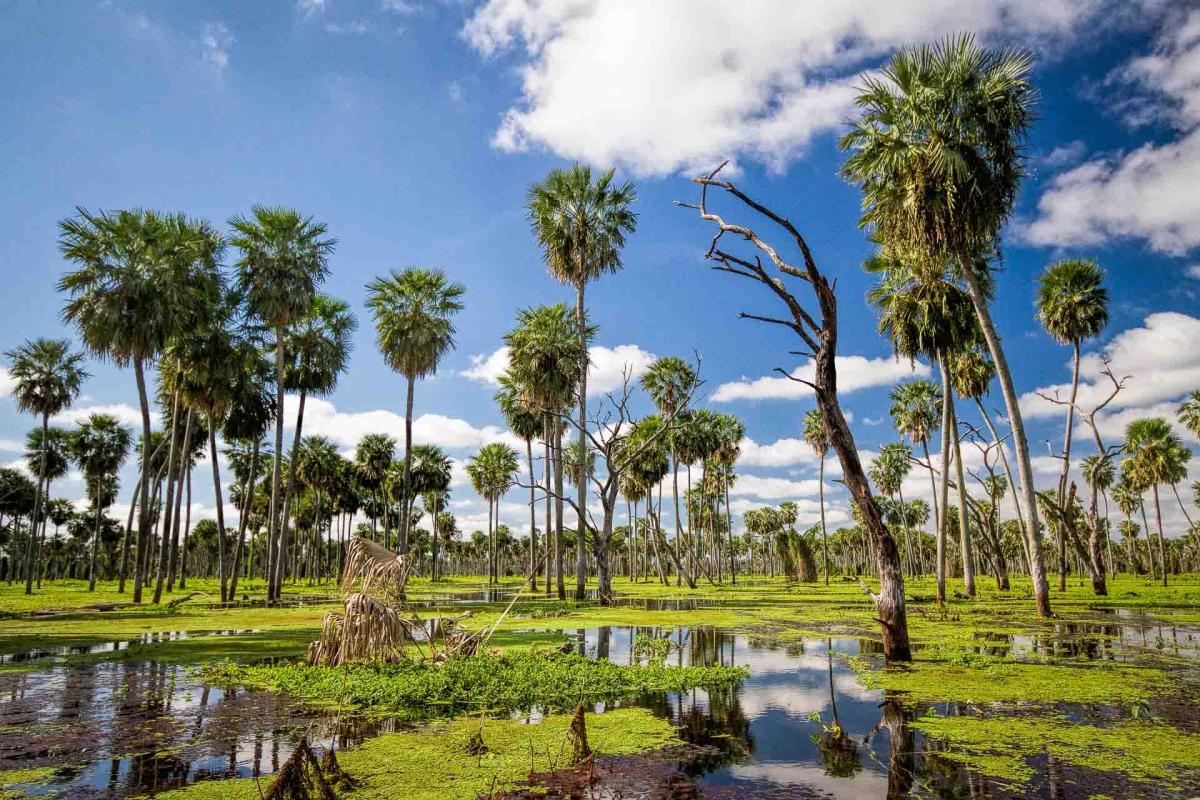
Its origin comes from the gradual and ongoing overflow of the Pilcomayo River since 1940, caused by the rains of each Autumn. This overflow was so significant that by 1960 the ecosystem we know today had formed, although it continues to undergo constant transformation.
As you may know (?), the Pilcomayo River forms in the Bolivian Andes, where it remains a mountain river for more than 600 km until it reaches the Gran Chaco plain, where it serves as the border between Paraguay and Argentina, and where it has also shifted its course over the years. 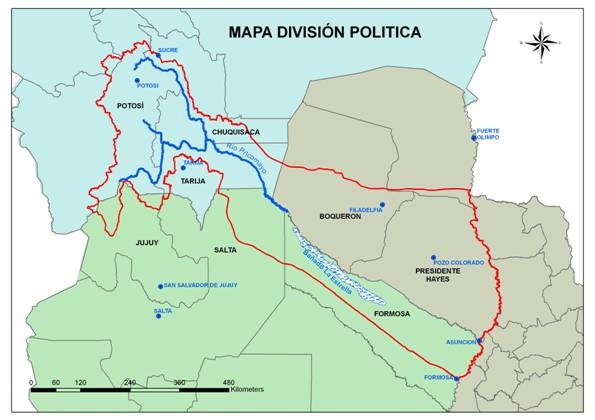
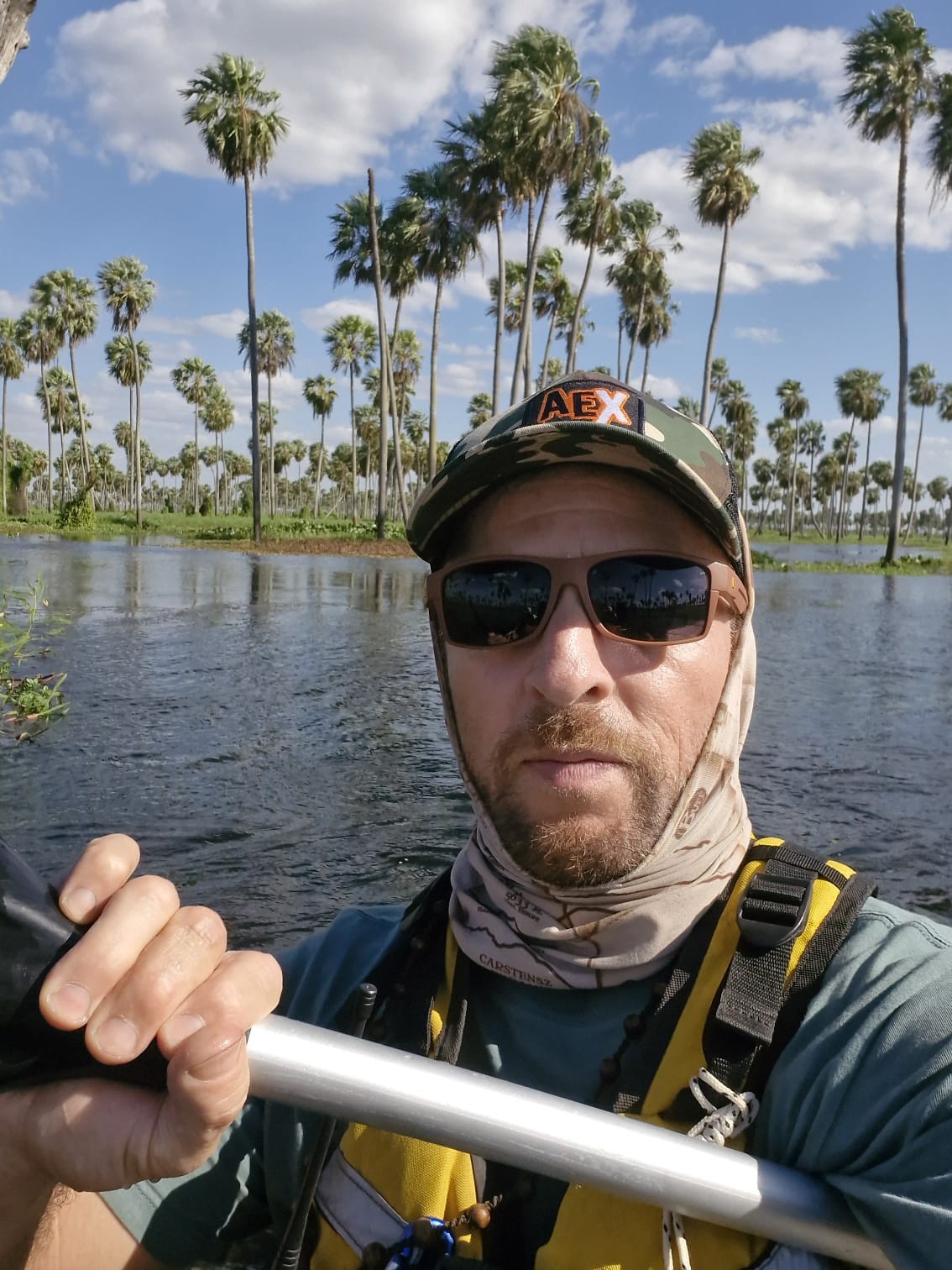
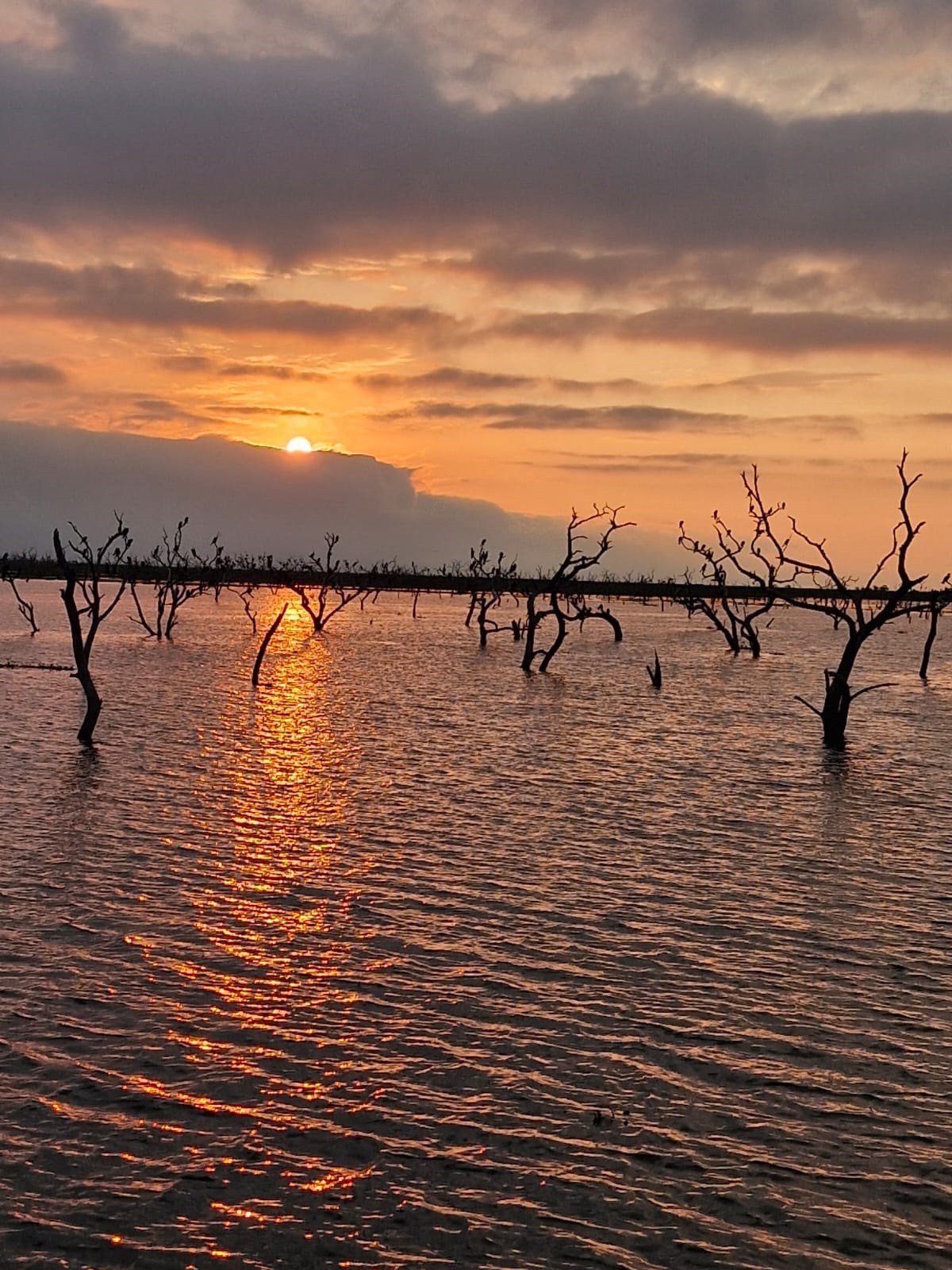
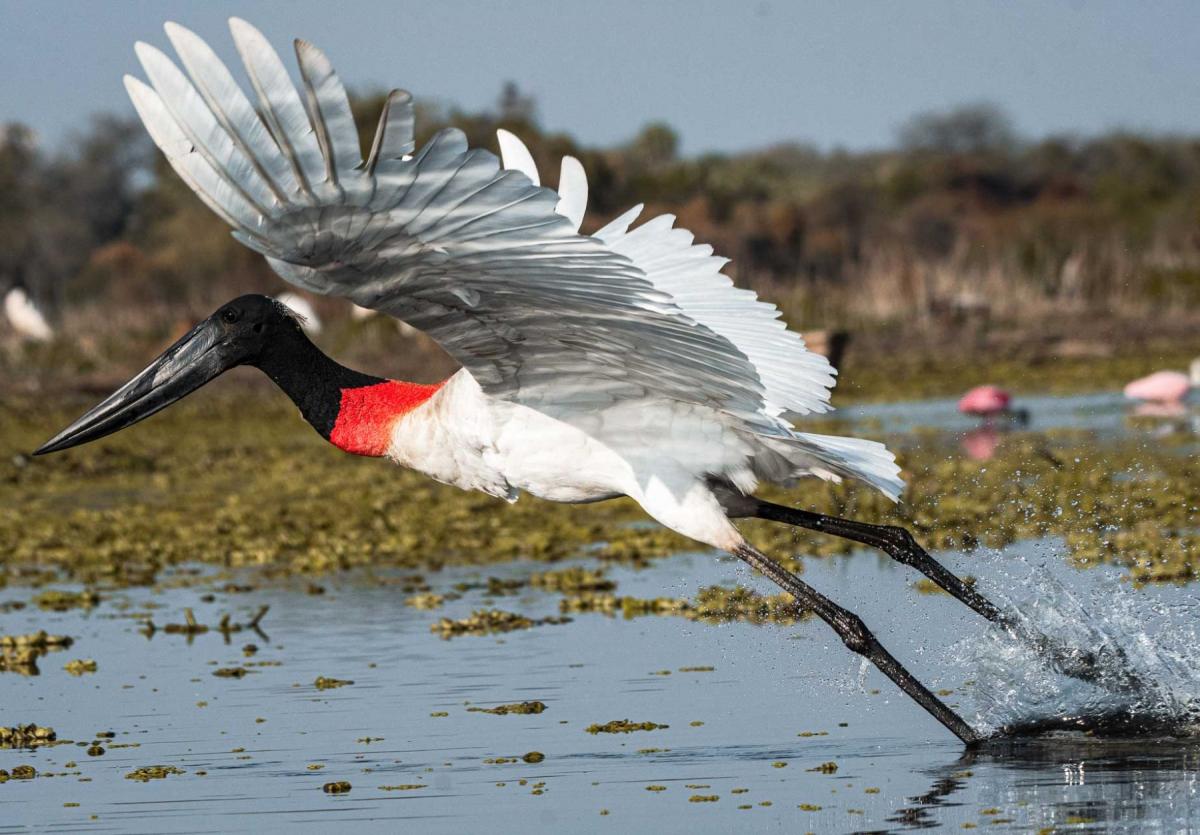
Since then, the landscape has changed dramatically: trees and yatay palms surrounded by clear water, and constant visits from numerous species of migratory birds; among them, the most striking is the jabiru, the largest wading bird (a type of stork) in South America.
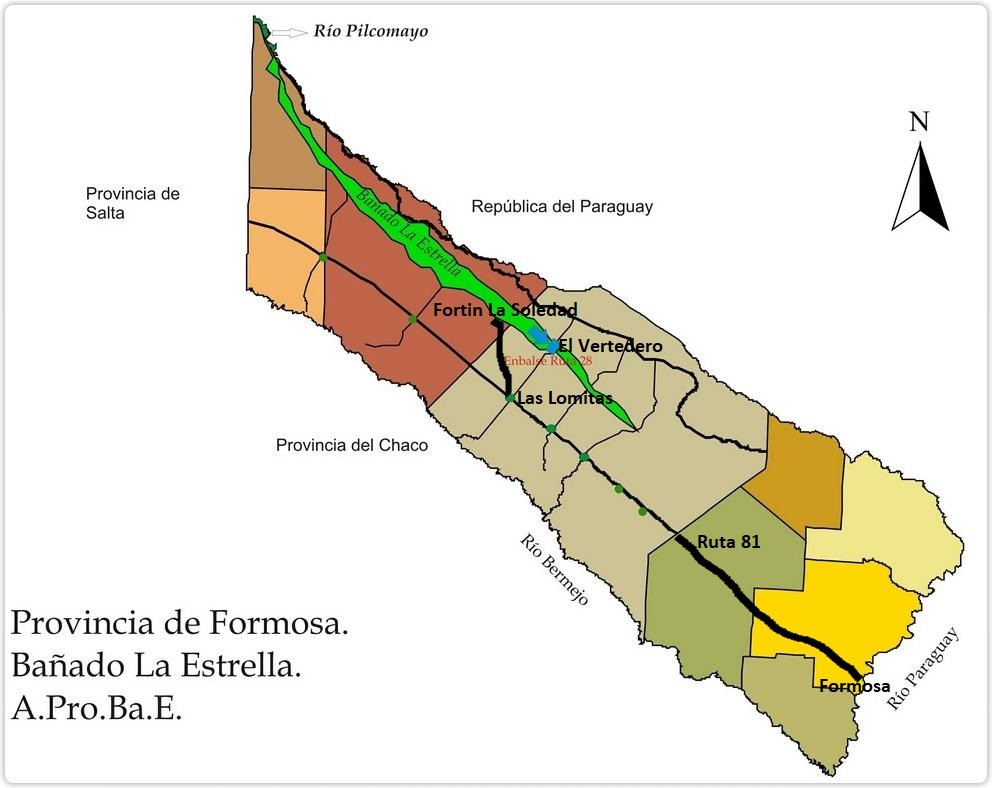
To get there, you need to travel about 300 km from the provincial capital to Las Lomitas, a town located on Route 81 that has made history with events such as the Rincón Bomba Massacre and one of the country's highest recorded temperatures, at 47 degrees.
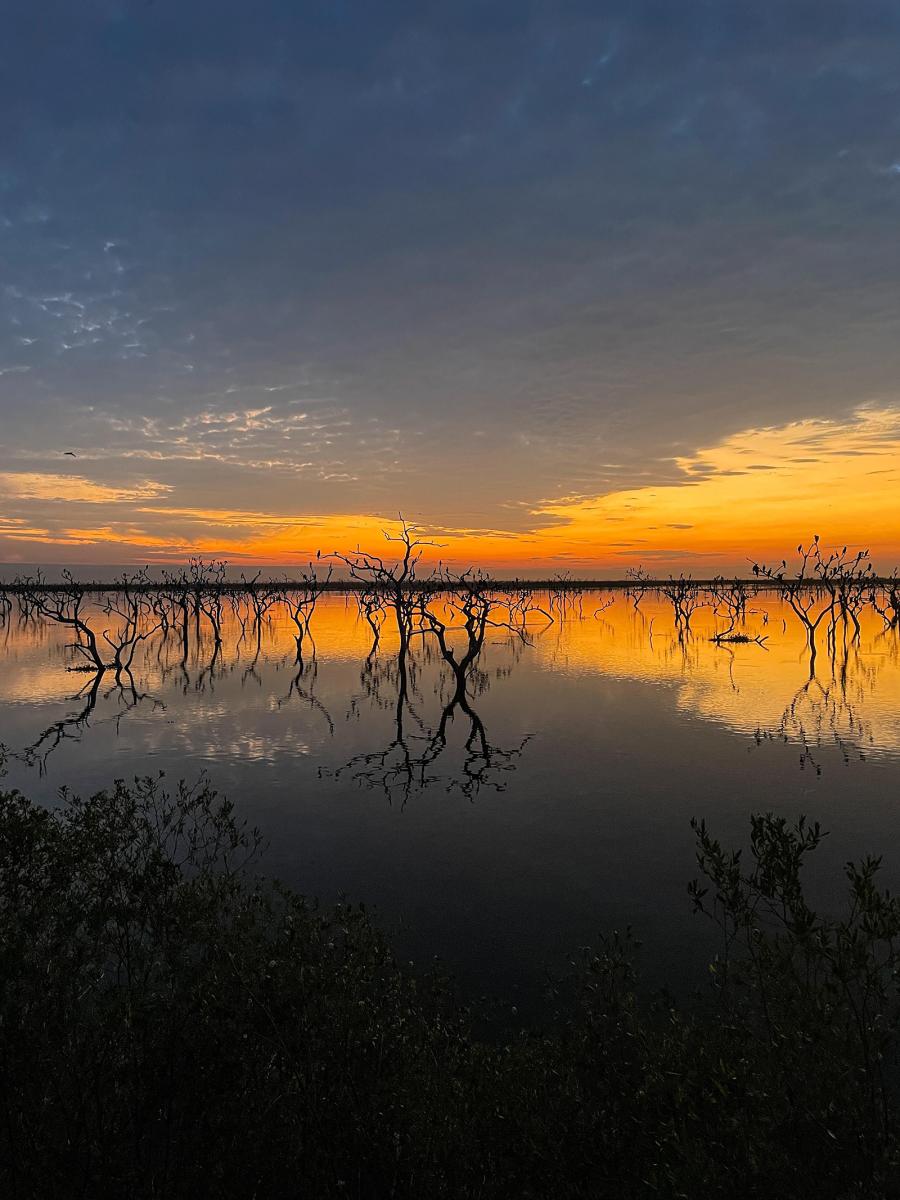
One of the two authorized access points to the wetland leads to the area known as El Vertedero, where a large, low bridge crosses over. There are 45 km of paved road from Las Lomitas along Route 28. There, taking in sunrises and sunsets alongside the wildlife is truly striking.
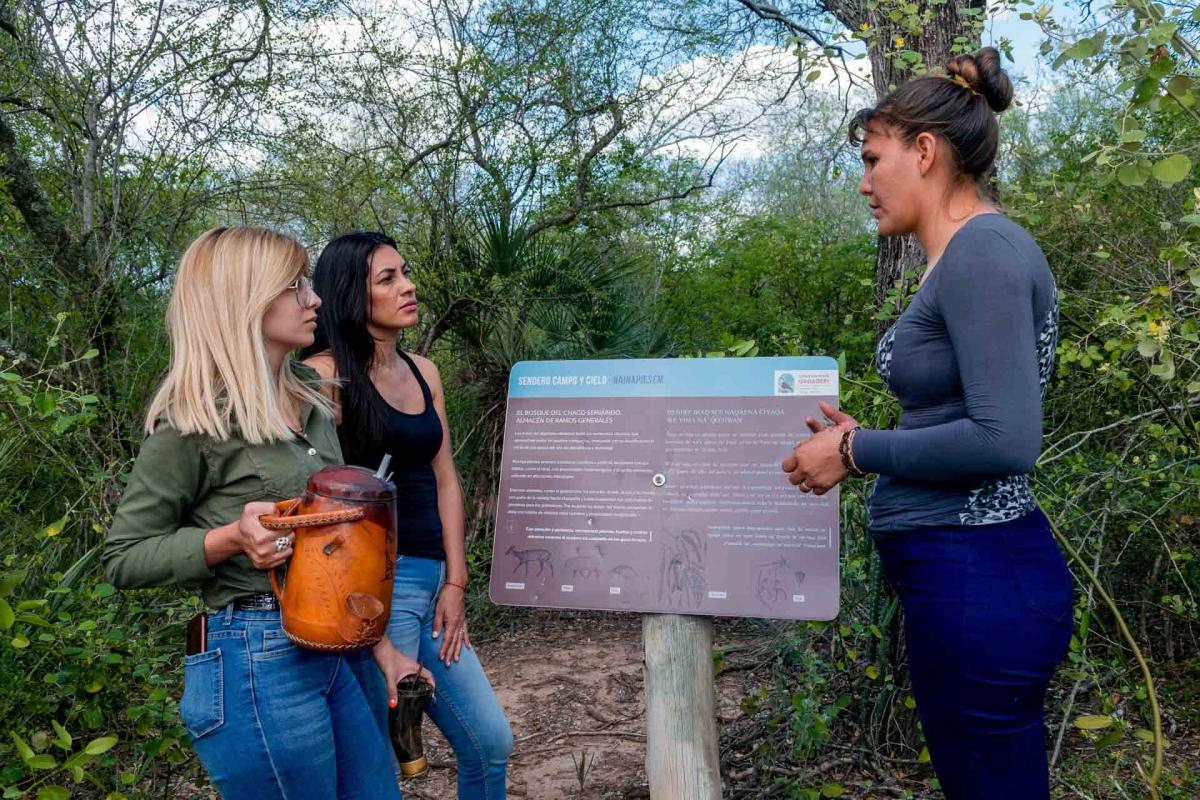
Before reaching El Vertedero there's a short detour (5 km) to the west that leads to Campo del Cielo, home to the Pilagá community (an Indigenous people living in central Formosa). There are trails there you can walk alongside members of the community. Highly recommended!
The other access point runs along provincial Route 32, usually a well-maintained gravel road, heading north from Las Lomitas to Fortín La Soledad, a small rural outpost. From here you can arrange boat trips, horseback rides and guided walks with local residents.
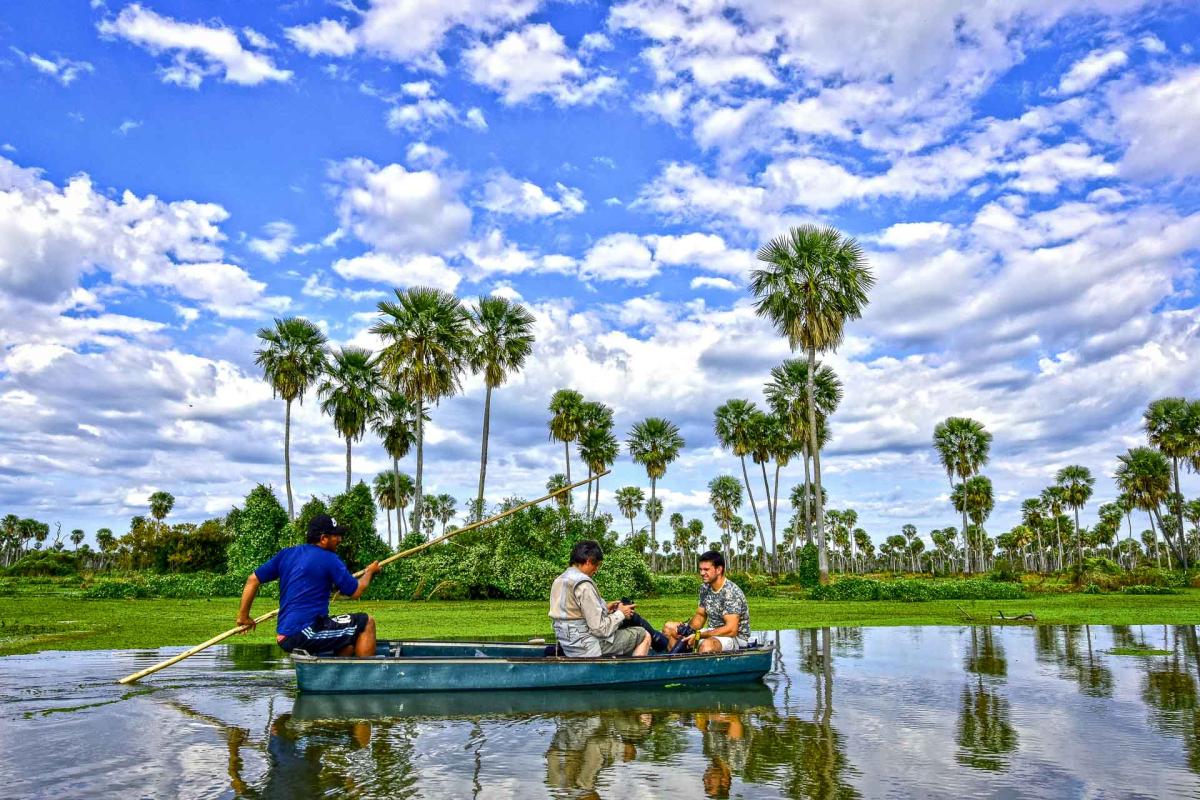
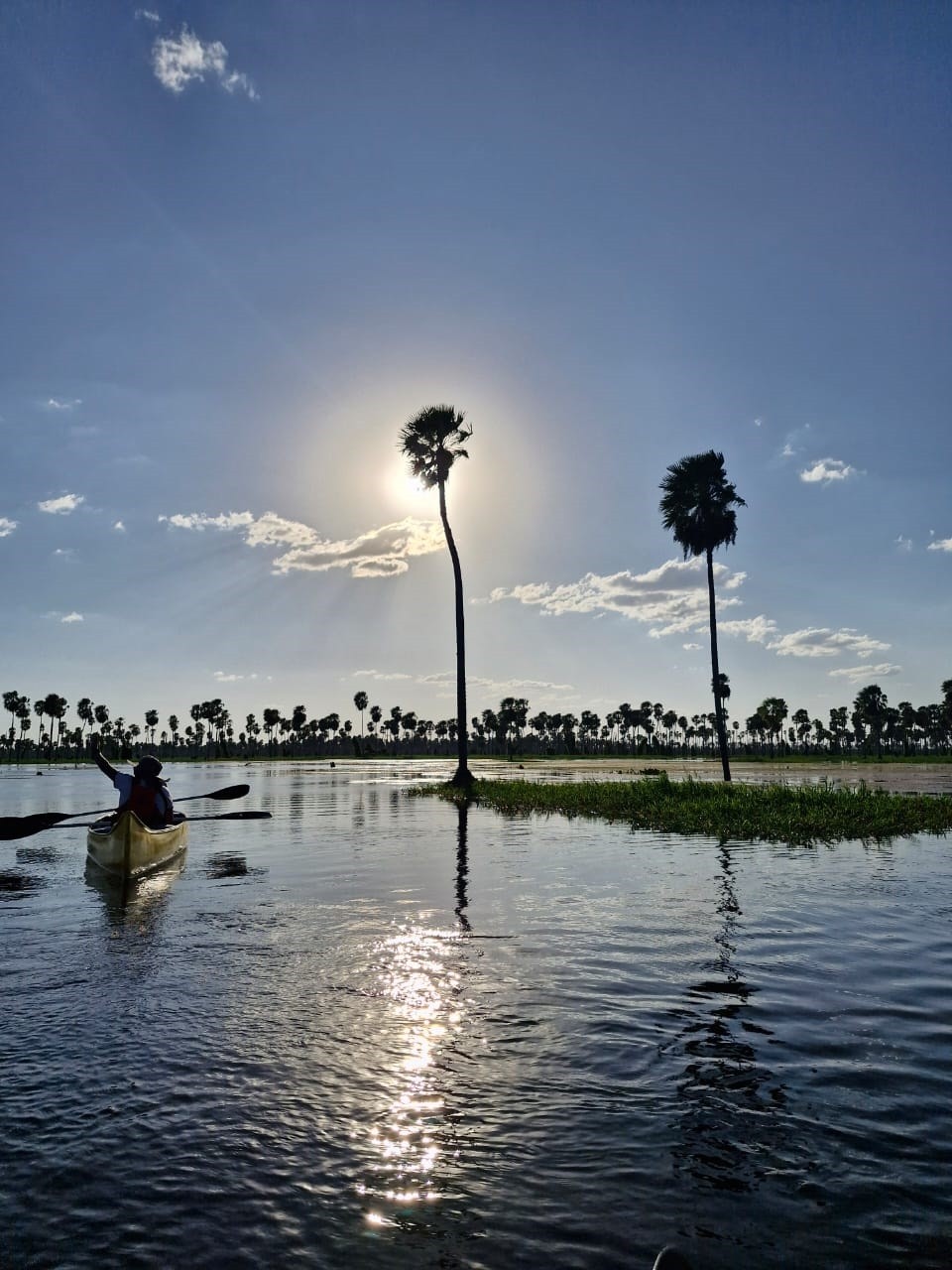
But the real highlight, the cherry on top, is canoeing in Canadian-style canoes (piraguas). The chance to travel through the heart of the wetland while paddling, taking in and being lulled by so much solitude and immeasurable nature, makes this a unique and unforgettable experience.
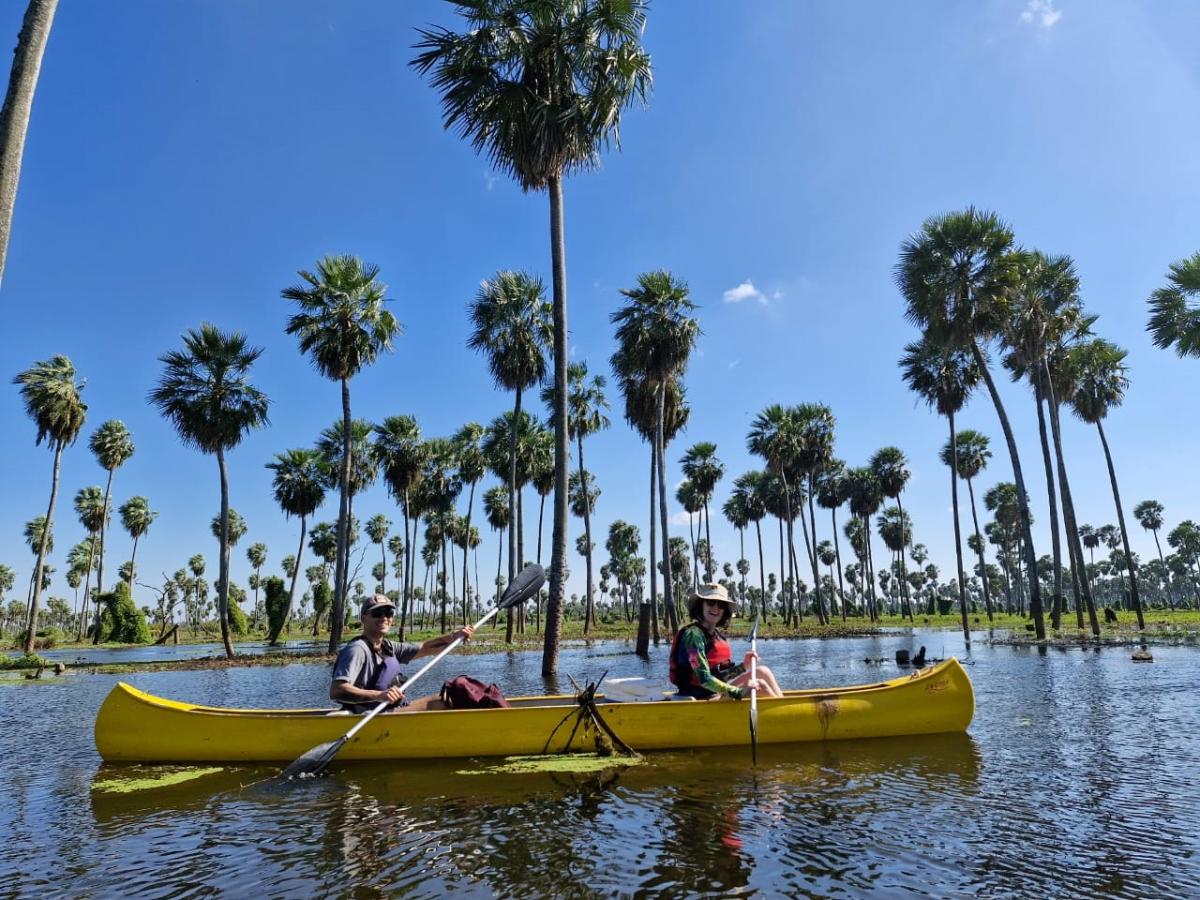
One more thing to note: the landscape changes radically between summer and winter. Since the rains happen in autumn, if you go in winter you'll see everything covered in water, and in summer with very little water flow — a tricky situation for paddling; the temperatures are also unbearable.
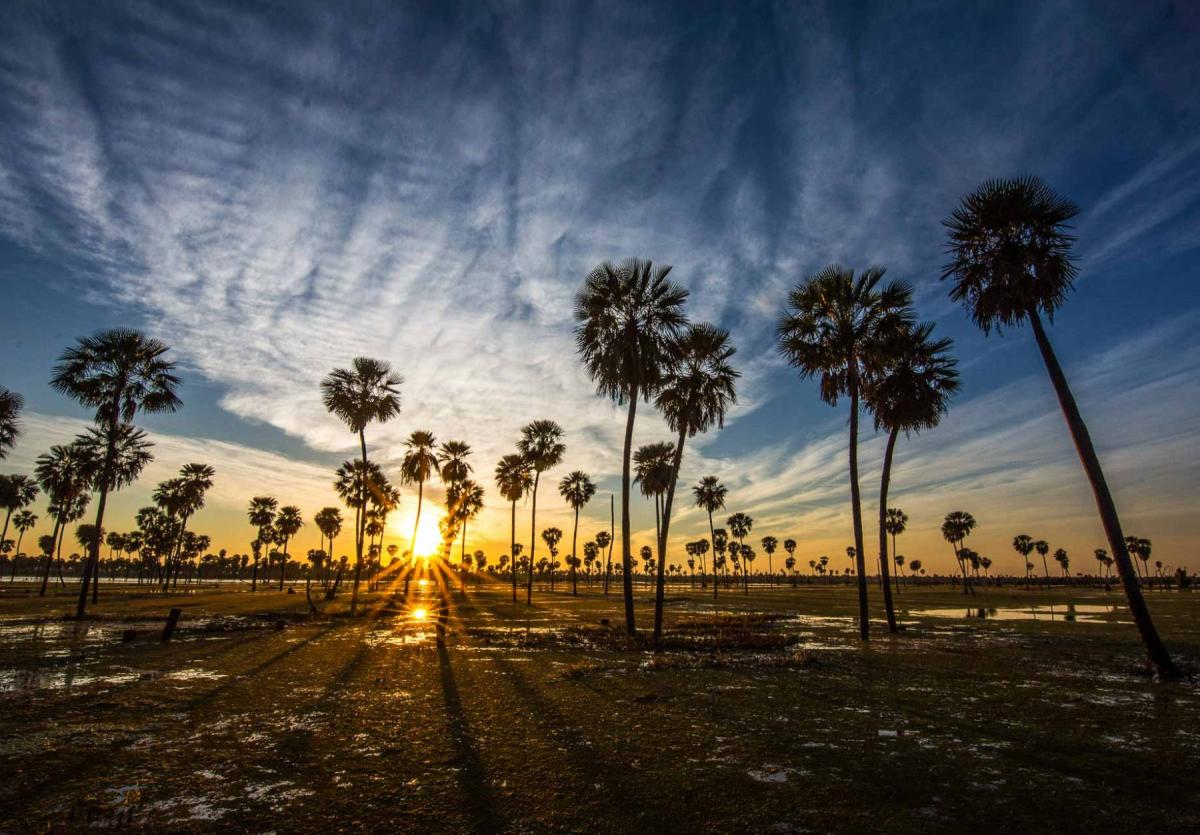
Bañado La Estrella is South America's third-largest wetland, after the Gran Pantanal (Brazil and part of Paraguay + Bolivia) and the Esteros del Iberá (Corrientes). It's also currently home to caimans, capybaras, curiyú boas, gray brocket deer, and more than 300 bird species.
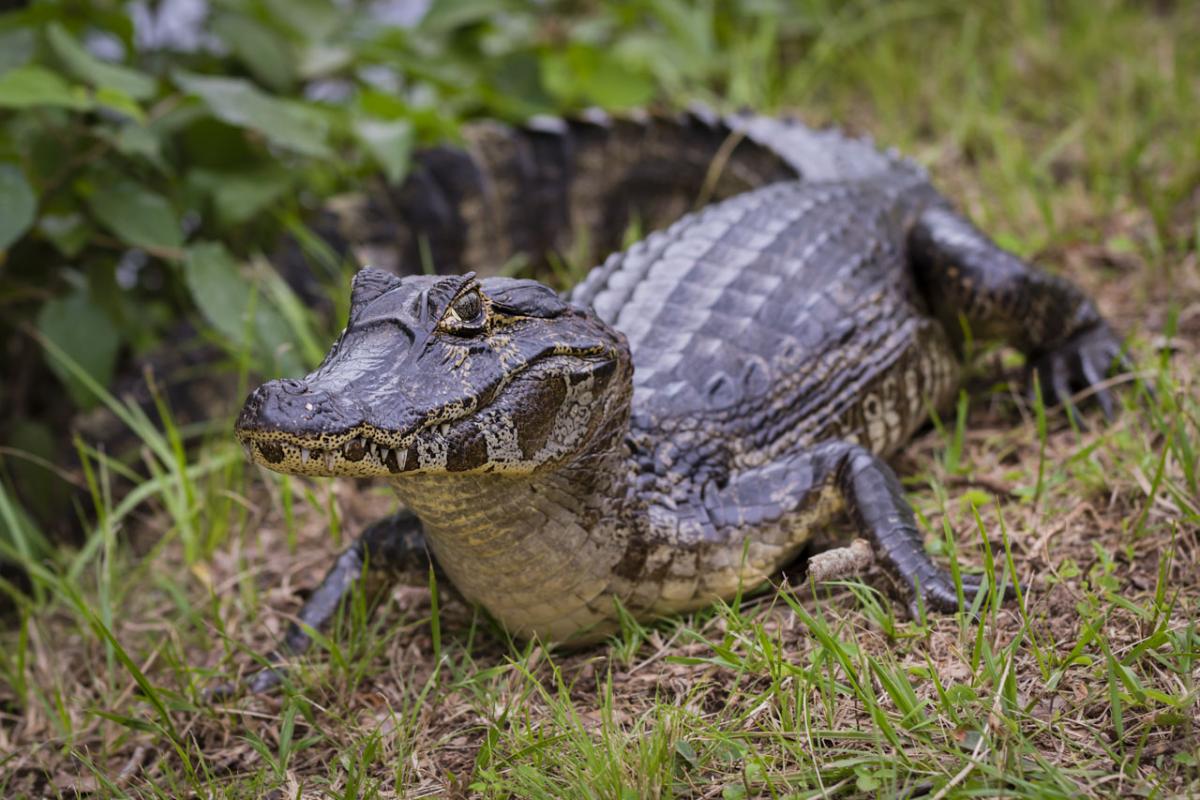
In 2019 it was chosen, through a public vote organized by the New7Wonders Foundation, as one of Argentina's 7 Natural Wonders, and although it still hasn't been elevated beyond the status of provincial nature reserve (2005), several of us have already included it among the select group of the most captivating natural jewels that you have to visit “At Least Once in Your Life.”
Want to visit Bañado La Estrella? Here are some options: (CLICK)