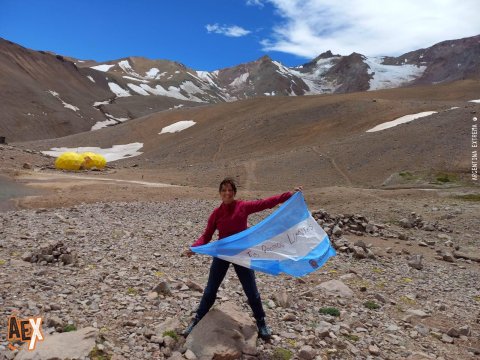
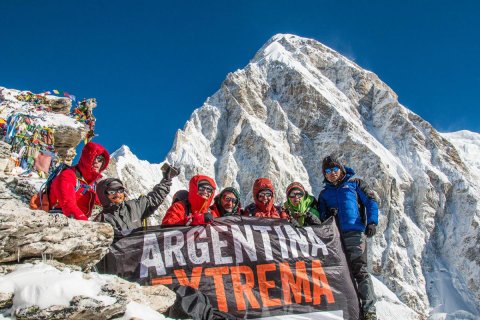
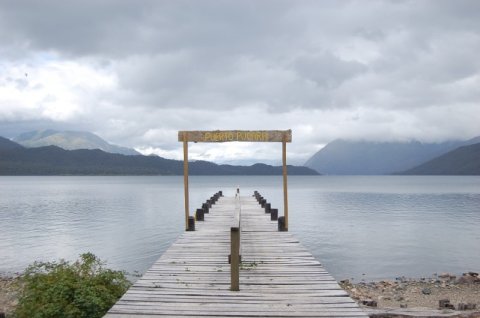
When we find ourselves in the heart of some supreme stretch of nature, we're often moved not only by the sight itself, but mostly by the sheer energy it radiates and, above all, by the simple act of making our way, quietly, through some of its many corners. In fact, wanting — and being able — to actively belong to the domain of that natural power brings with it a whole set of values tied to the environment, to wellbeing, and to health, which are important to understand and know how to handle wisely.
Below I'll lay out some important factors (10) that, in my view, directly influence a solo outing, a group trip, a simple escape into nature, or a complex technical climb toward a long-awaited summit.
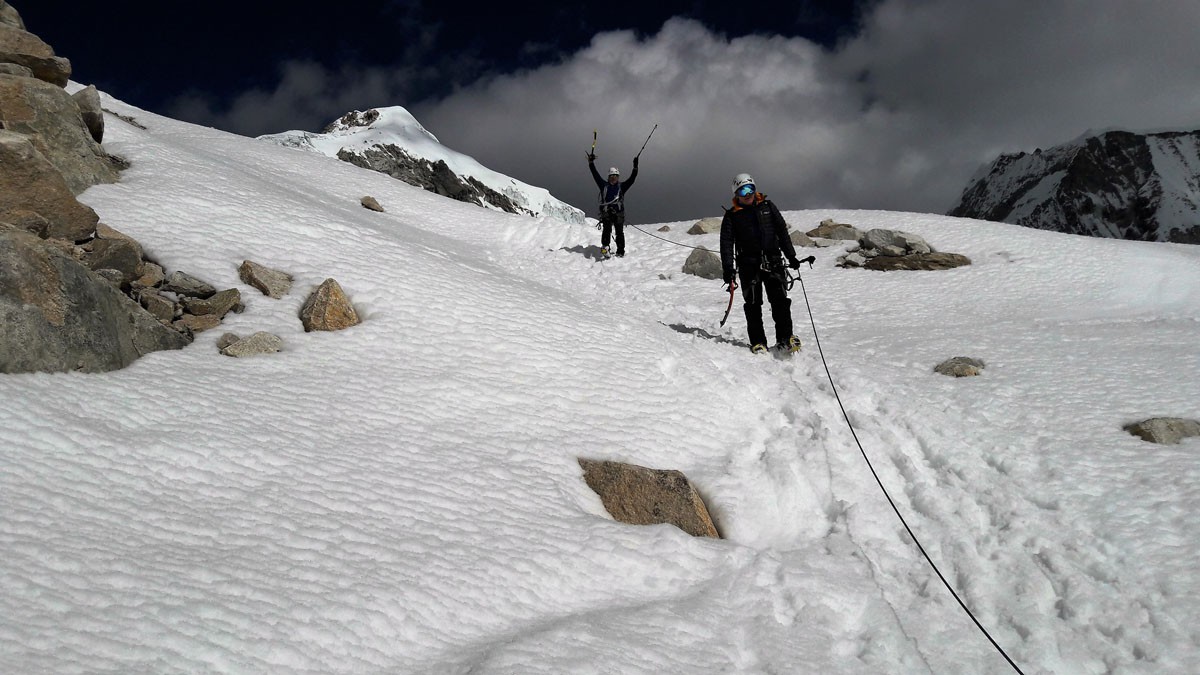
Natural physical condition plays a part in good or poor performance. But being able to train weekly and follow a progressive program will undoubtedly help keep us always in shape, with more than enough energy for any adverse situation that comes up. Both physical training and learning to breathe and recover properly make up the right starting dose when planning and preparing for an outing. 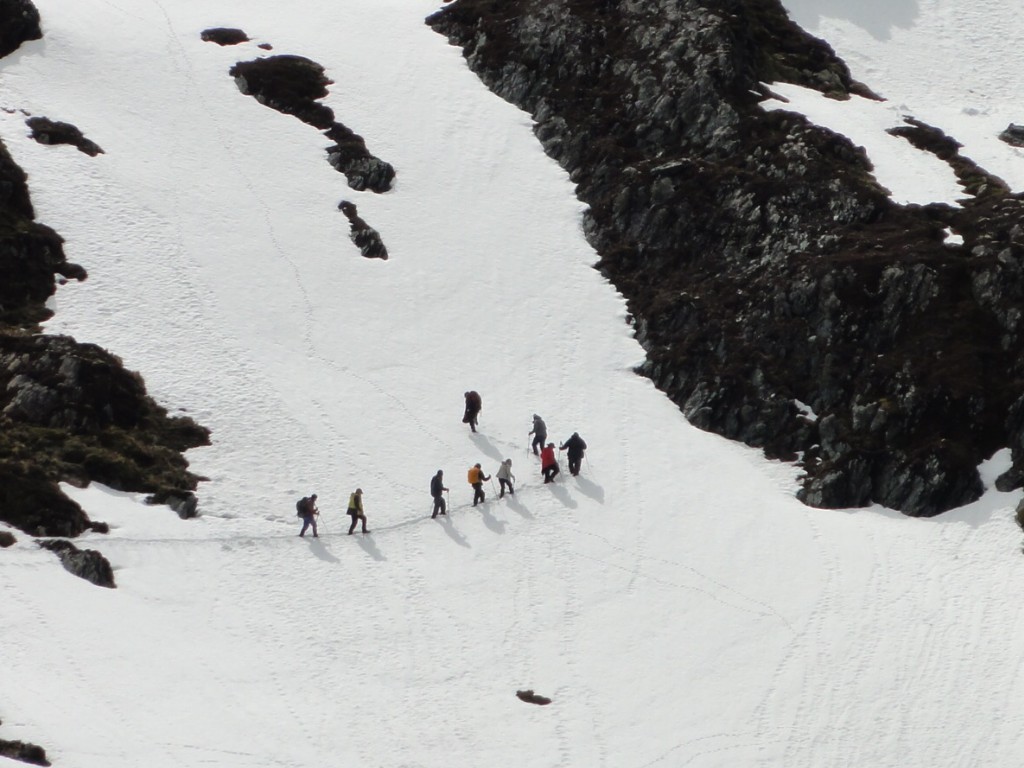
For those visiting the walkways of Iguazú National Park, for those standing on the viewing platforms of the Perito Moreno Glacier, or perhaps for those out on a whale-watching boat in Puerto Pirámides, many would say that being in good physical shape isn't necessary at all. What is true, however, is that the more focus we put into being in proper physical and mental condition, the more we'll appreciate and enjoy the natural spectacle.
Recommended: join a specific mountain-training group, or ask professionals for a training plan suited to your needs.
Options include: aerobic work – jogging for 30+ minutes, 3 or 4 times a week. Uphill and downhill training on slopes or stairs (in buildings) with a loaded backpack (gradually increasing the weight). Training on a climbing wall (or at the gym). Getting out to the mountains every so often.
Proper hydration is often overlooked, and it's a fundamental tool whenever you're about to start a stretch of hiking with a pack on your back, pulling yourself along a demanding zip line, climbing a route, or simply setting out on foot along a short trail.
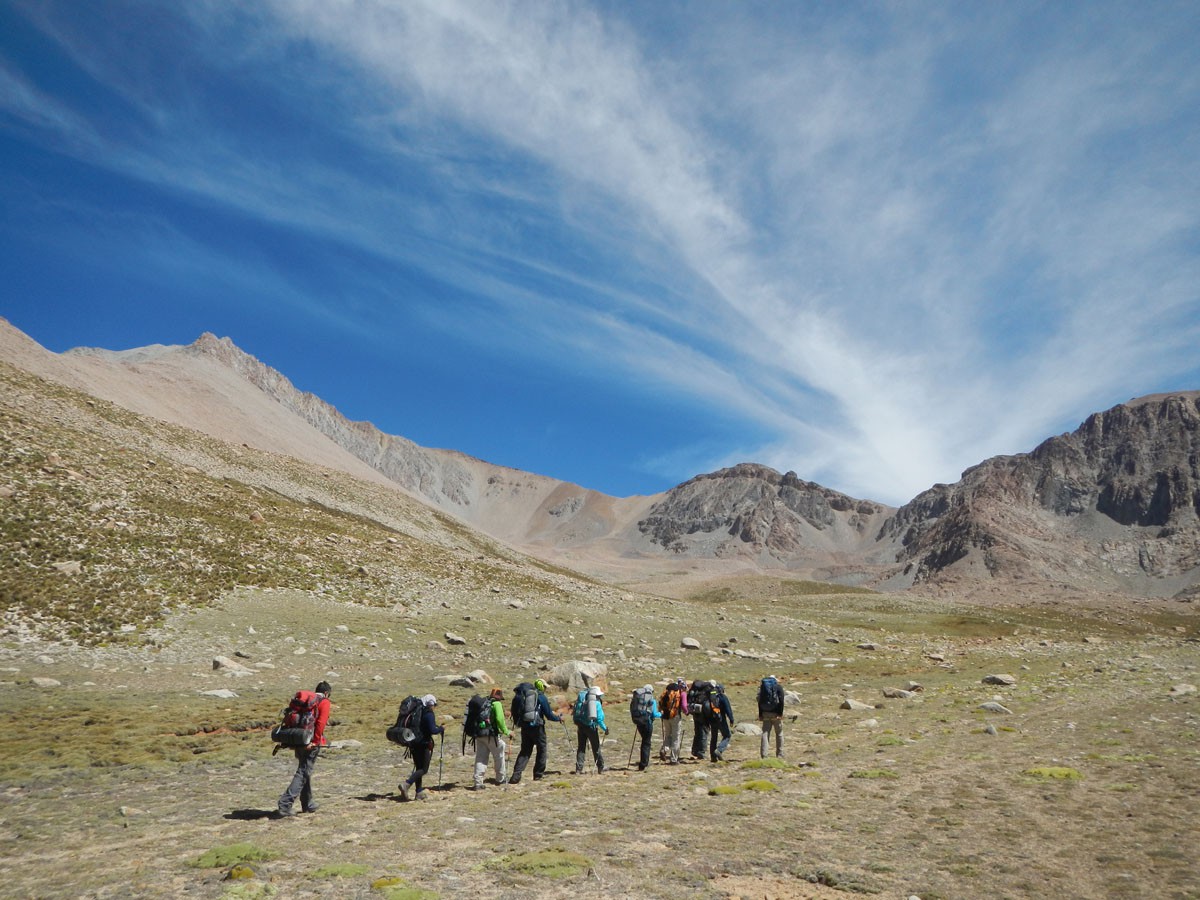
Is plain water enough? It depends. The fluid you drink should always contain salts. In other words, if we eat easily digestible food and drink water, we'll be getting off to a pretty good start with hydration.
How do we know if we're properly hydrated before we even start? Checking urine color, lip dryness, and other such signs only tells us we're already dehydrated — by then it's too late. A good, nearly foolproof method (besides carrying enough fluid in your pack) is to drink well ahead of starting the activity.
Recommended:
Drink 1.5 liters of mineral water, juice, or water along with a cereal bar during the two (2) hours before the activity.
Properly packing the backpack you'll use for the activity is a factor worth considering. If the load leans slightly to one side, if the heaviest gear sits too high or too low, or if the straps aren't doing their job, your body will feel the strain, gradually becoming unbalanced — which, over time, hurts your performance and can lead to cramps or various aches.
Recommended: Keep in mind that backpacks range from very poor to very good quality. There are models for women, for men, and for different torso sizes. Whether you're borrowing one or buying one, it needs to fit your body. Finally, it's very important to learn how to pack a backpack correctly.
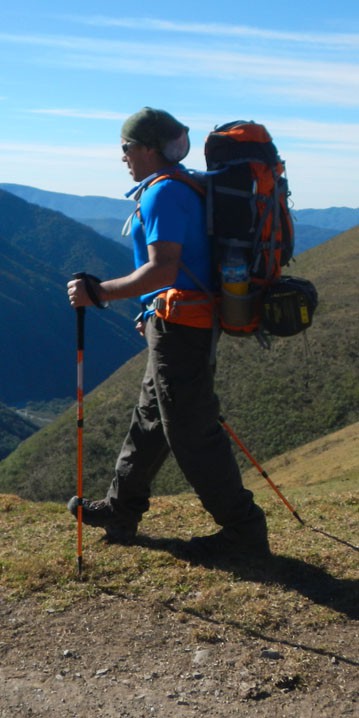
What's my mental state going into the activity? Can I focus enough to pay attention to every move, to the ground I'm stepping on, and to choosing the right route? A lack of attention and the wrong attitude can trigger an injury from a bad movement, or simply cause you to lose your bearings — leading to physical and psycho-emotional wear and tear. Staying focused on the activity at hand is extremely important.
Individual technical skill on the terrain is a valuable asset with real physical impact, and it needs to be developed in every practice session and every outing. In the long run, experience is what gives us safety and confidence through many stretches of the trail.
To climb a steep slope quickly, to traverse a tricky hillside, to descend a gully full of fixed rocks, or to make your way up an exhilarating scree slope of loose flat stones. There's always a less tiring way to do it. Are there set formulas? Yes, but they don't work the same for everyone. Each person needs to try and practice as often as possible, across every kind of terrain they'll face. I'll briefly go over one way to descend hard-terrain slopes, which is usually where most knee injuries or discomfort tend to happen.
Recommended: learn techniques for ascending, descending, traversing, and moving across different types of terrain. Ask your guide (if you're going with one) to teach you the basics.
How many times have we heard that in the mountains you can only eat polenta, rice, and pasta? And yet, developing your cooking skills out in nature is one of the most rewarding parts of the experience. The options are endless. You can even carry fresh produce in your pack — fruit, vegetables, even meat. Menus will depend on the activity, the location, and how you're getting there. In the mountains, we can't afford the luxury — as some do — of skipping breakfast entirely. In the mountains, whoever doesn't eat well ends up turning back. And this isn't the place to go into whether food should be high in carbs, high in protein, etc. Under normal conditions, having an energy snack every two hours, eating four meals a day, and staying well hydrated is enough. You can't and shouldn't skimp on food — our safety depends on it too.
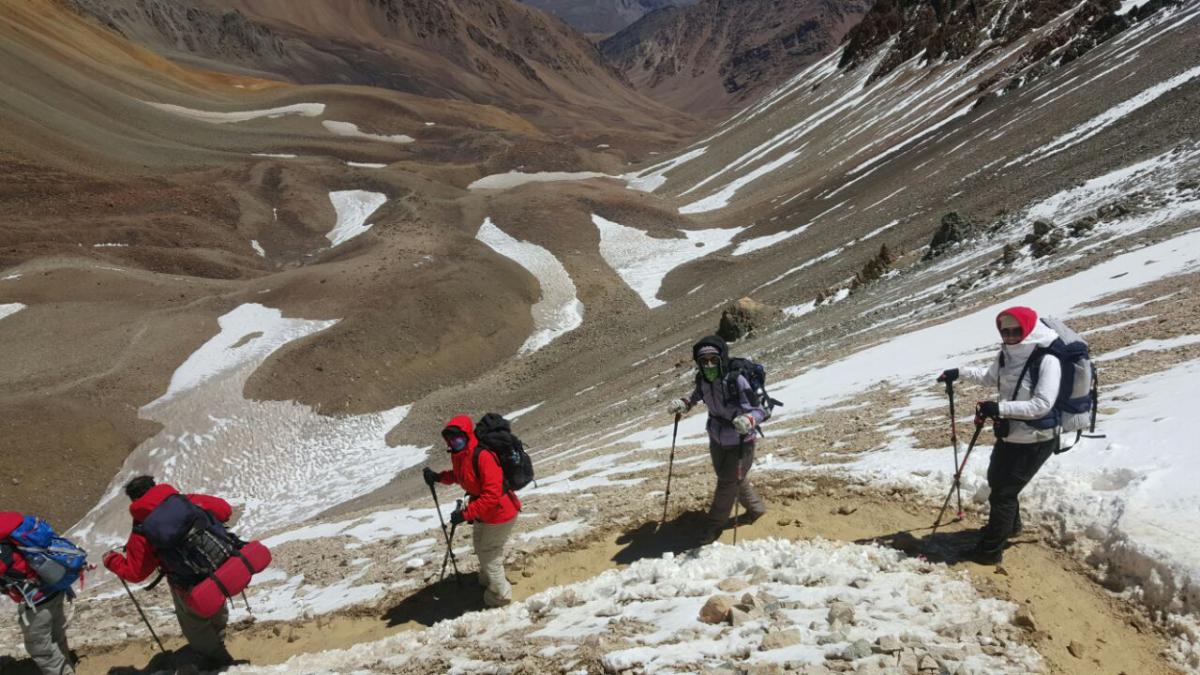
This point is about knowing how to choose clothing and gear based on the environment you're heading into, and prioritizing function. It's not the same to carry a great tent, a warm fleece, and a powerful flashlight while walking uncomfortably because your backpack has no adjustable straps, or wearing regular sneakers through flooded terrain, or sleeping in cold conditions with a poor-quality sleeping bag. Our safety and performance are directly tied to the gear we bring along.
A-B-C-D: the ABCs of gear are, in my view, the backbone and the essentials to sort out before thinking about buying anything else. Whenever possible, we should try to get quality gear. A: Proper footwear. B: Shell jacket (outer/third layer). C: Backpack. D: Sleeping bag
Recommended: ask ahead of time what to bring (if you're joining an organized trip). Do some research on brands and options with specialists in the activity before making a decision. Well-known brands often sell low-quality products at high prices.
8 – KNOWING YOURSELF (inner confidence and security)
If I'm not convinced about doing an activity, I don't do it — but once I've decided to go ahead, I do it with the confidence and inner security it requires. Intense mountain activities demand this quality, which ultimately becomes the essential discipline needed to know yourself. Knowing my strengths, knowing my weaknesses, knowing my intentions, knowing my enthusiasm, knowing my resolve, knowing my limits and, in the end, having the judgment and courage to make important decisions, like turning back and heading home in time.
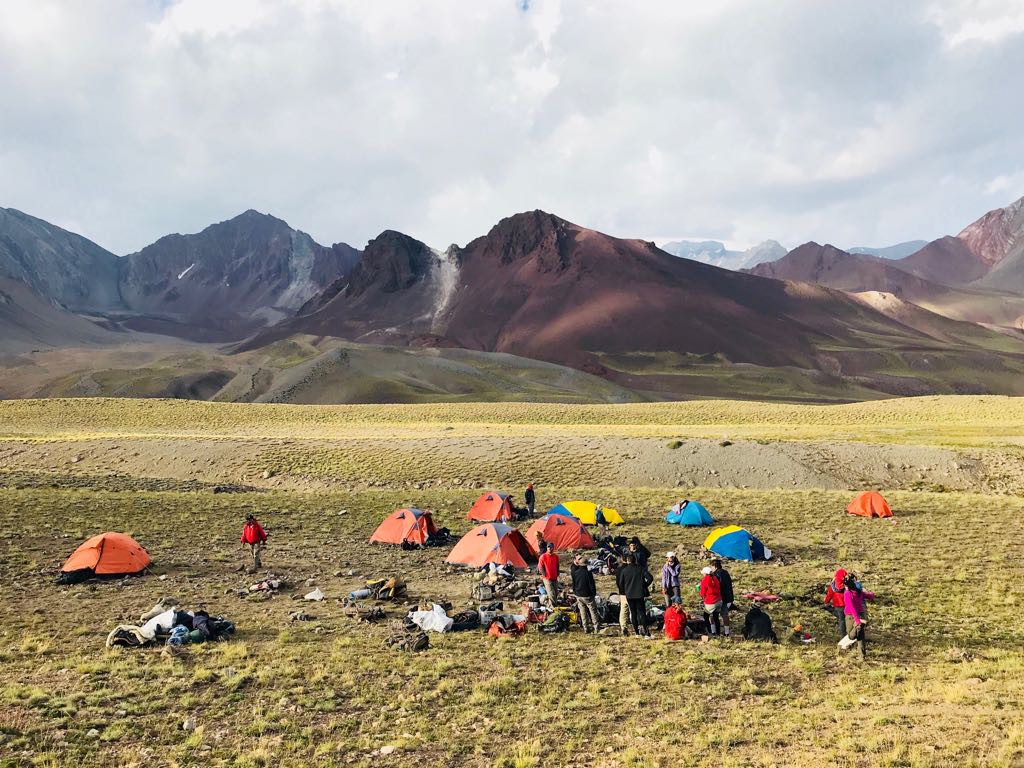 9 – RESPECT FOR THE ENVIRONMENT AND NATURE
Respect doesn't mean fear. The setting, the environment we move through, has unique, one-of-a-kind conditions. Fear can end up paralyzing me, leaving me without the strength to keep going. To respect it means being able to grasp the scale, the magic, and the wisdom of the place. I'm not showing respect for anyone but myself. I respect the mountain I'm climbing when I take in its immensity and picture myself as part of it. I respect nature when I leave a place better than I found it. I might pick up my trash because someone tells me to, or because I've genuinely convinced myself that it would be great for whoever passes through next to feel that same sense of wonder. An orange peel is biodegradable, but it's also "bio-unpleasant" in the meantime. Who wants to reach a breathtaking waterfall only to see peels scattered around?
Before traveling, before starting the activity, during it, and afterward, it's always important to know how to rest — and to actually do it. Resting the body and mind properly. Taking the time needed to do so. If we're running on too little sleep, we take on unnecessary risks that affect our physical condition, focus, technique, and even how much we enjoy the activity. If I'm worn out, I'll never be able to perform at my best.