Trekking a Machu Picchu - Nevado de Salkantay - Cusco - Peru
El gran trekking hasta la ciudad Inca, por una ruta diferente + excursiones arqueológicas
4.8 (147)
Duración:8 díasSalida desde:Cusco, PerúRegión:InternacionalDistancia:Aéreo de 8 horas
1 / 43
Inicio:
Solicitar!
Hora Inicio: 13 hsHora Fin: 10 am
Encuentro: Cusco, Perú
Duración: 8 díasCupos:
14 lugares
Propuesta
Al corazón del imperio Inca por un camino diferente
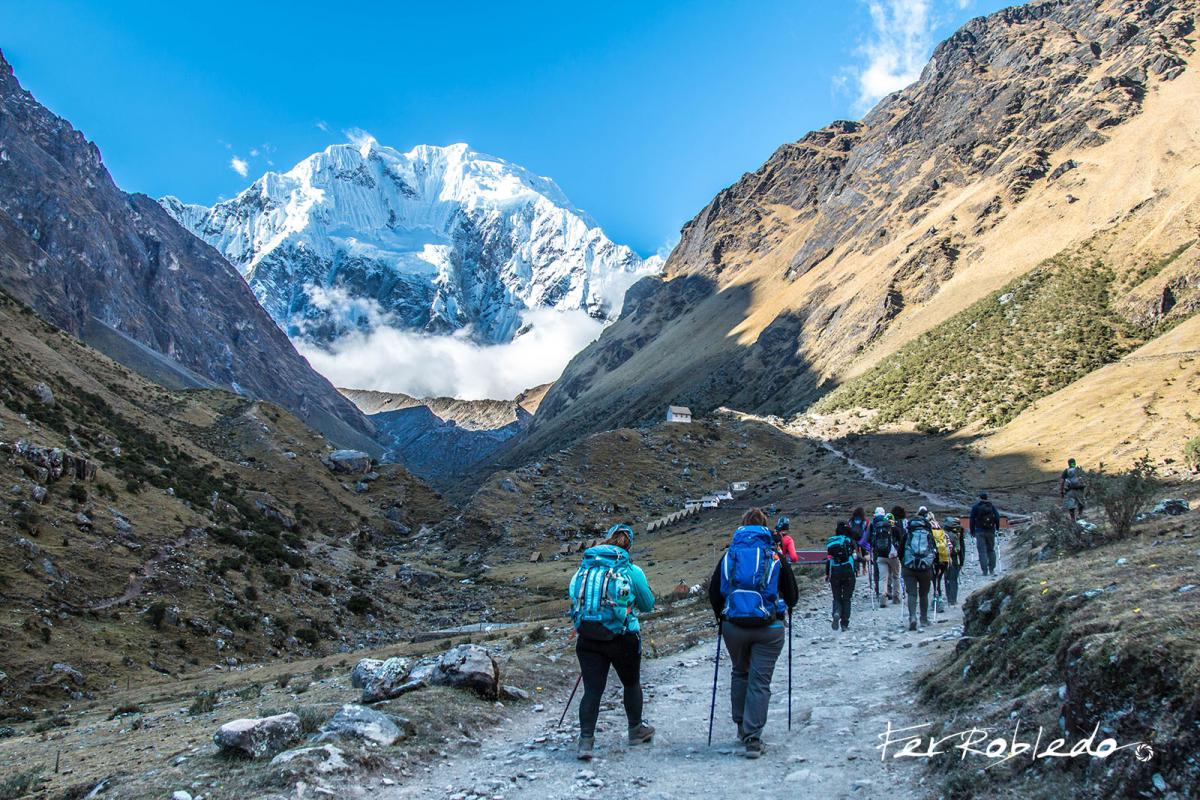
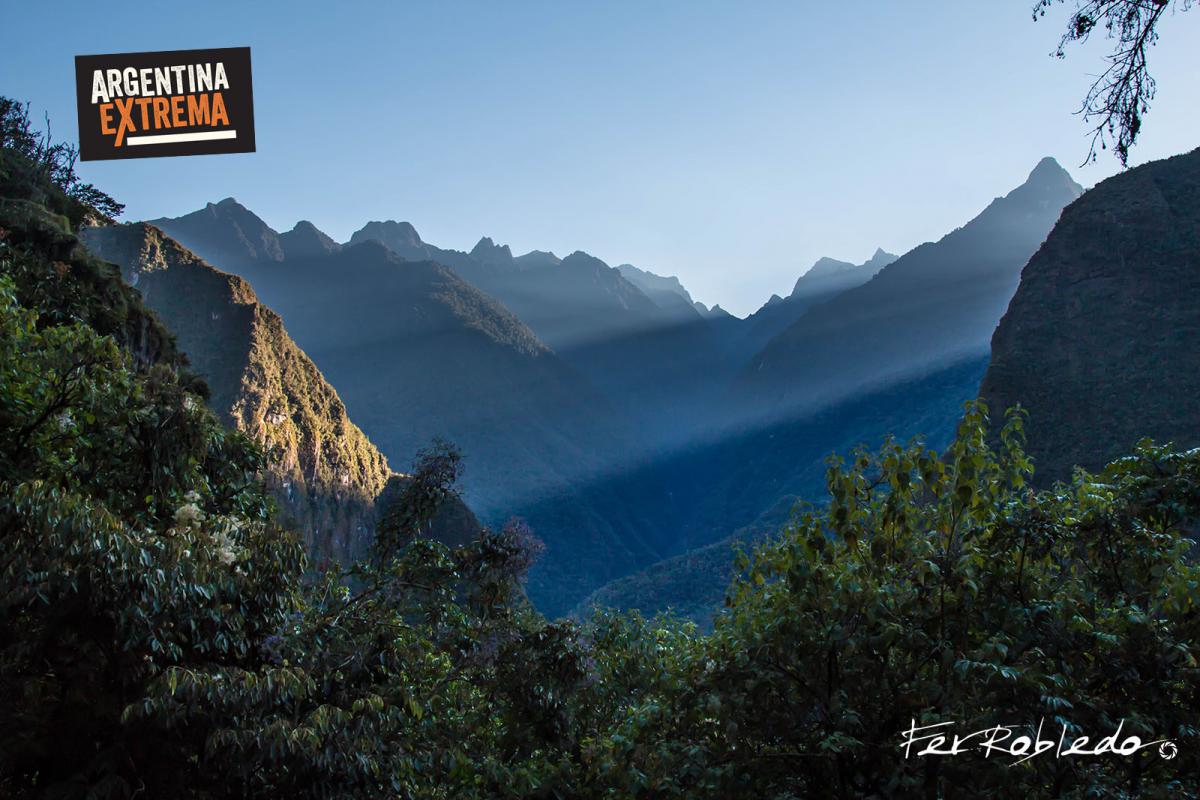
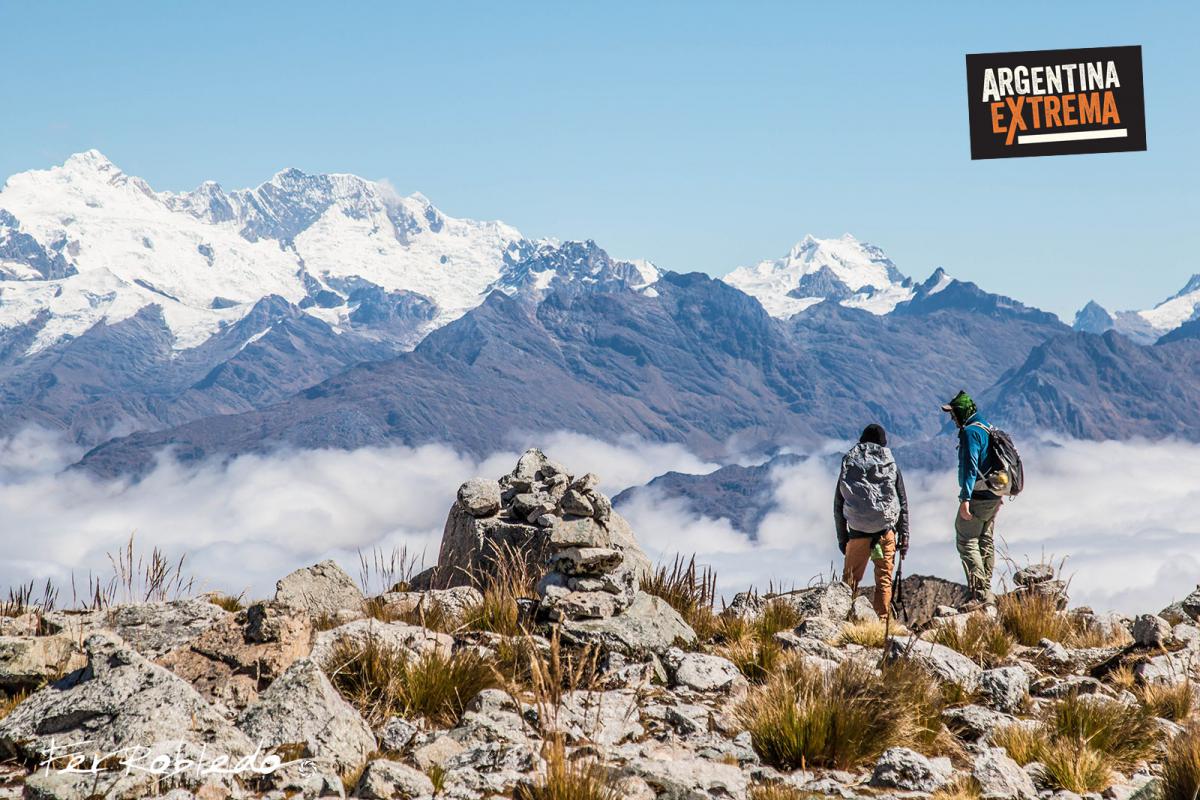
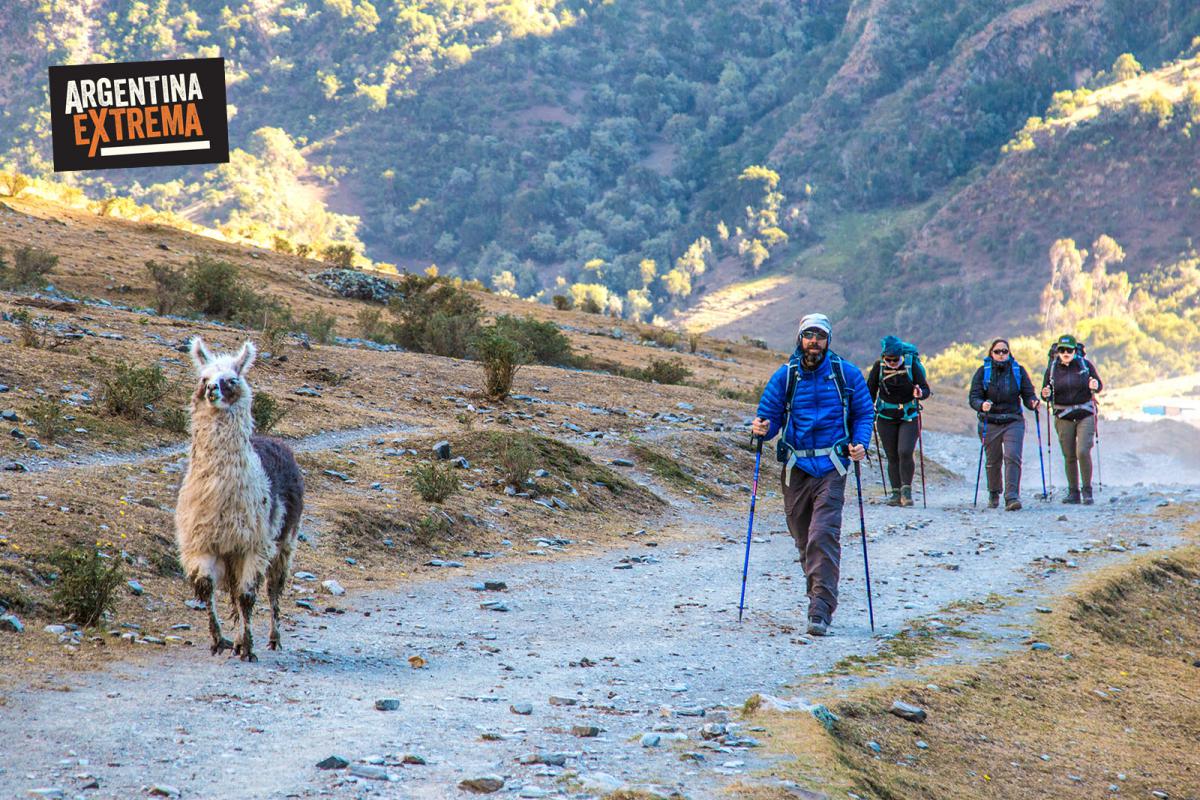
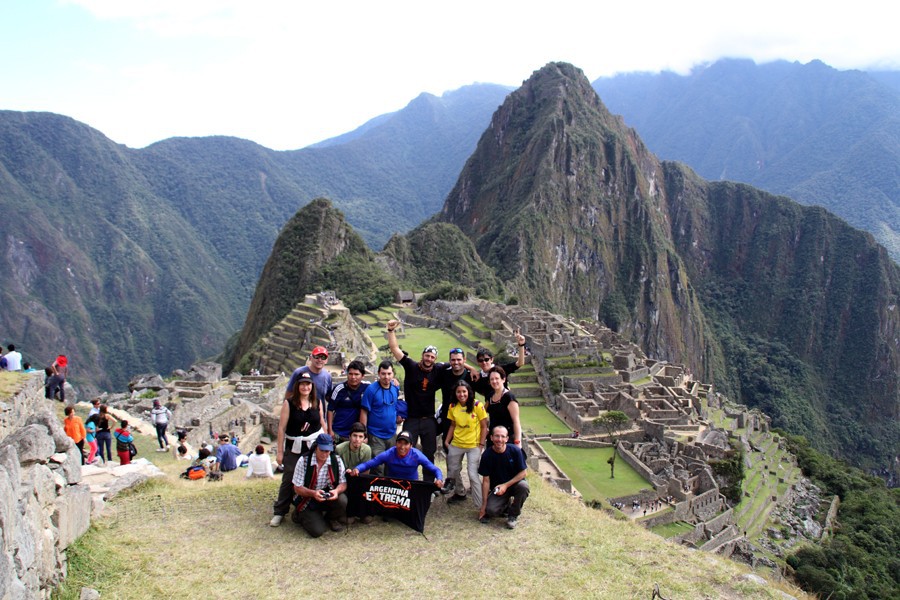
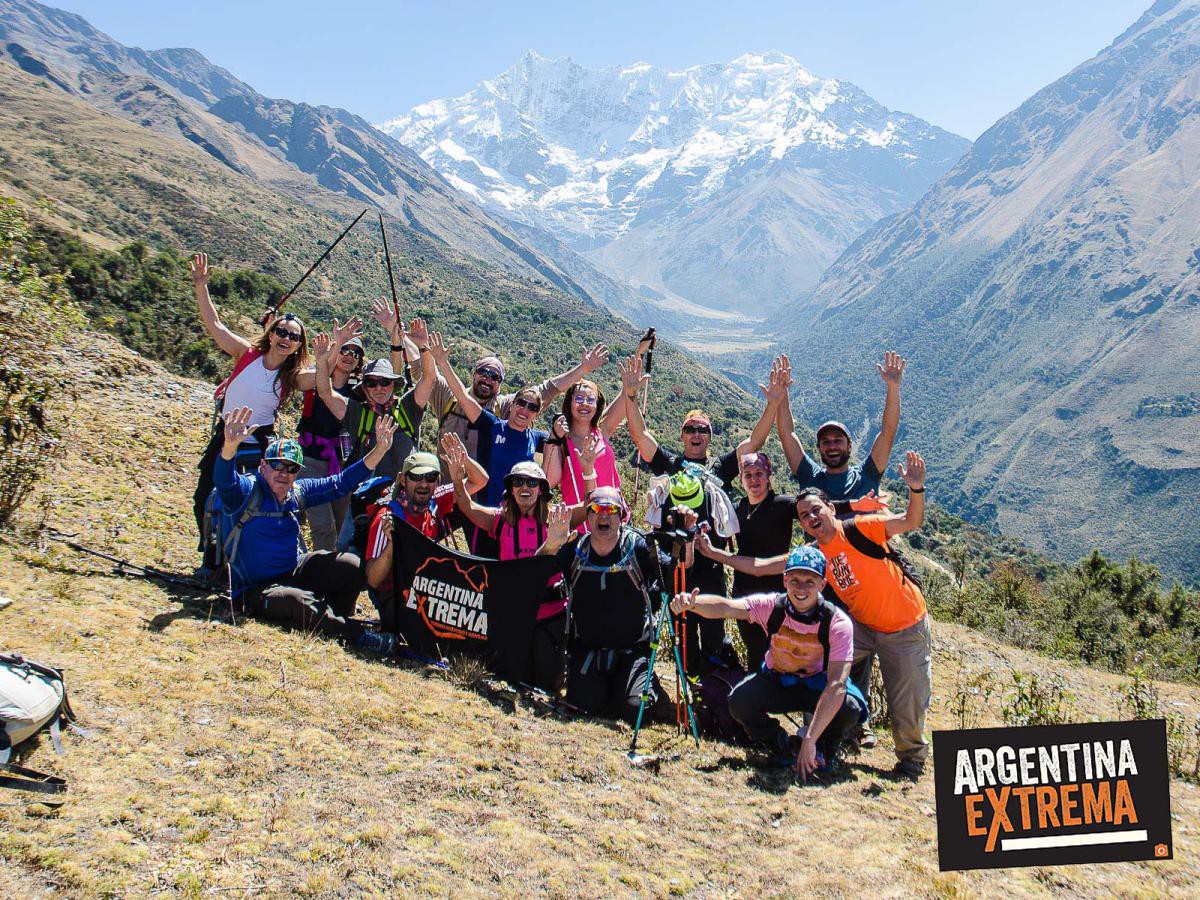
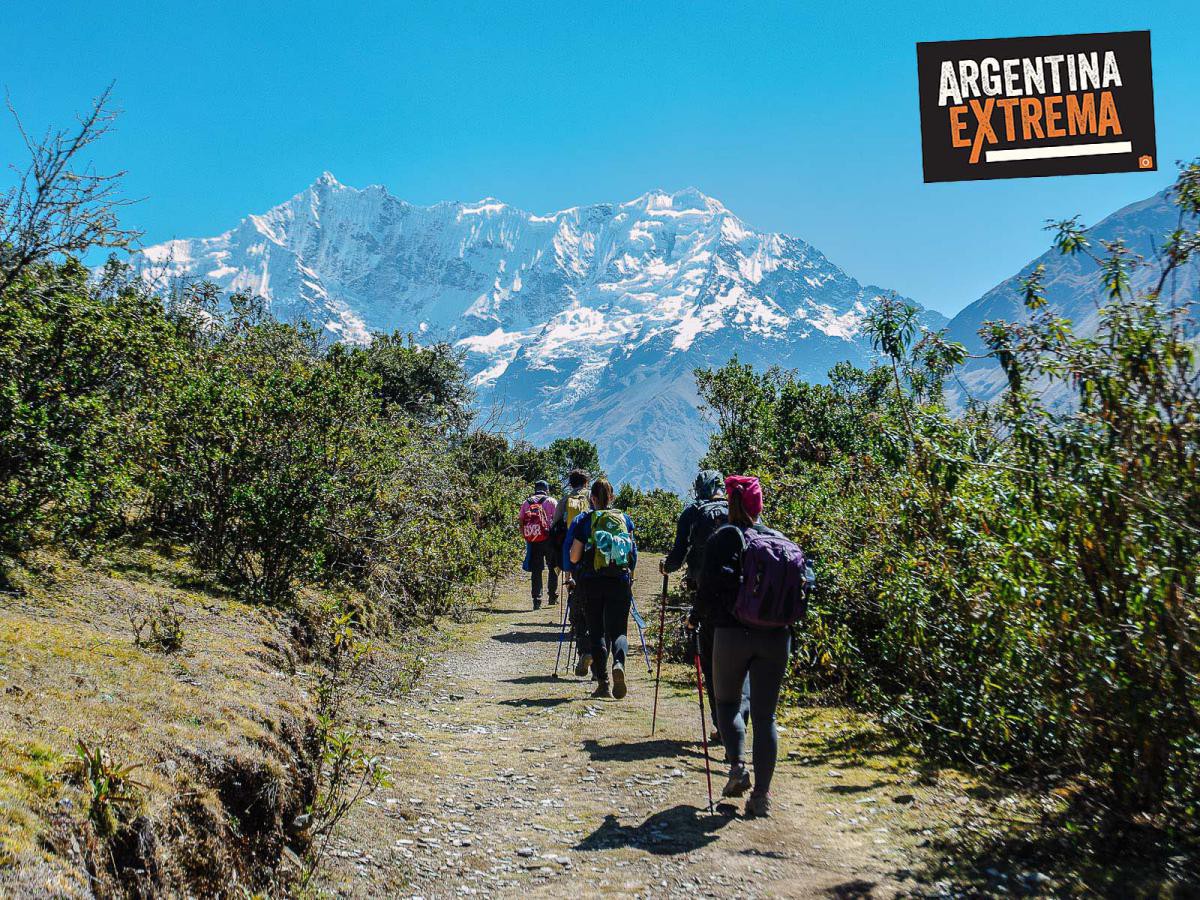
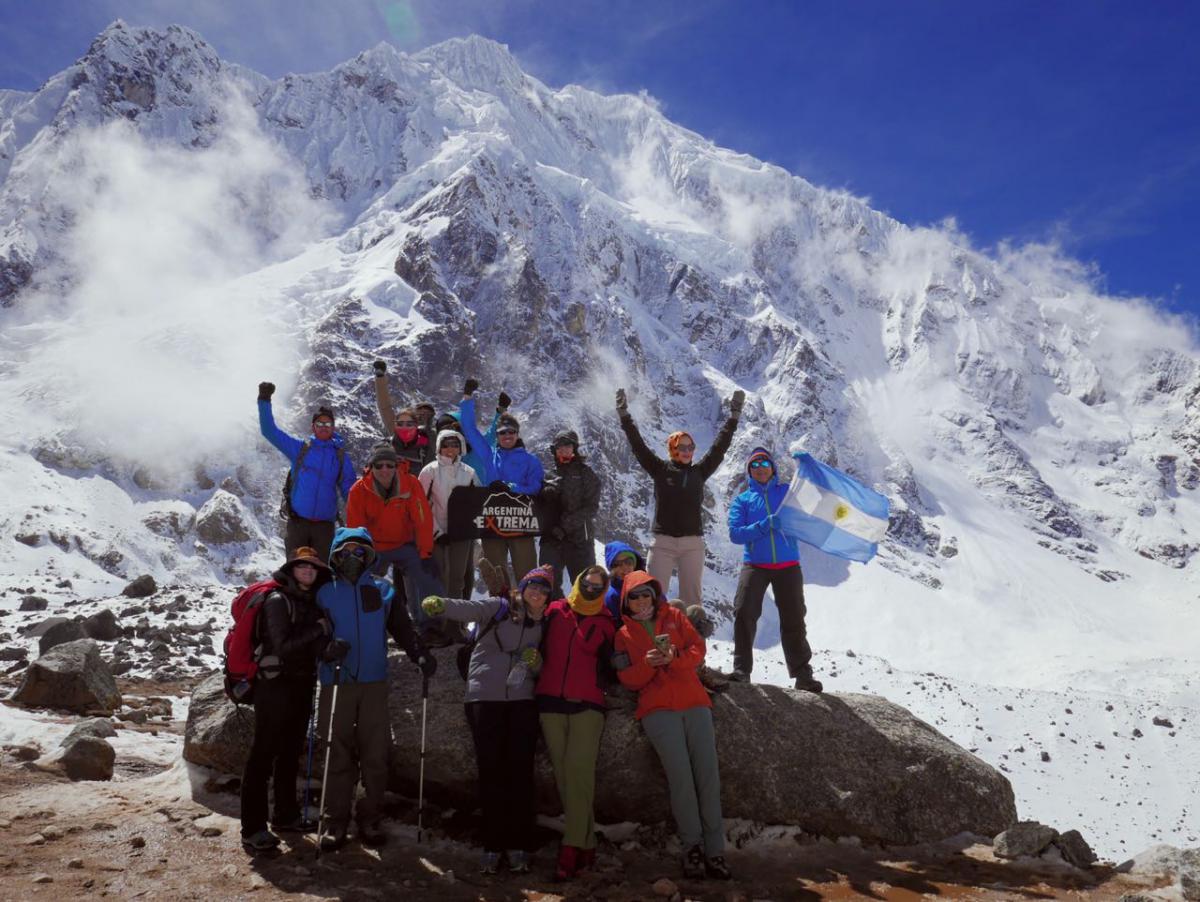
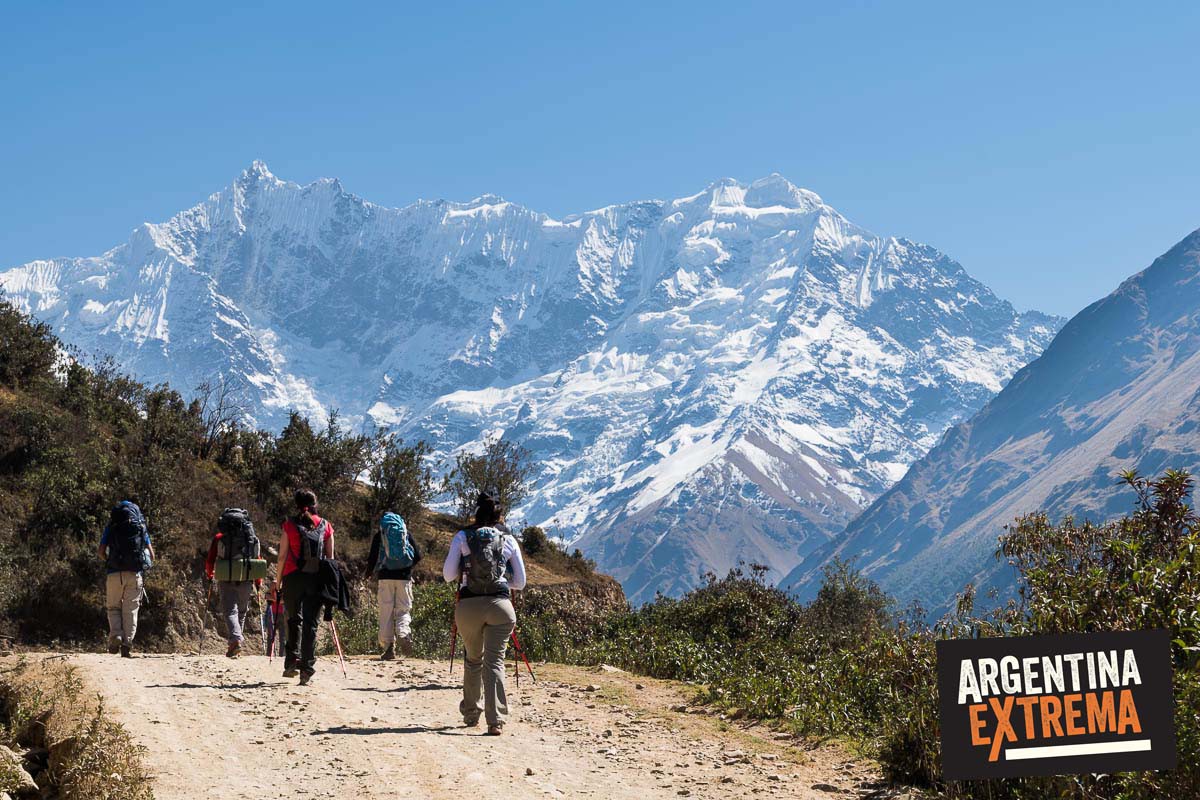
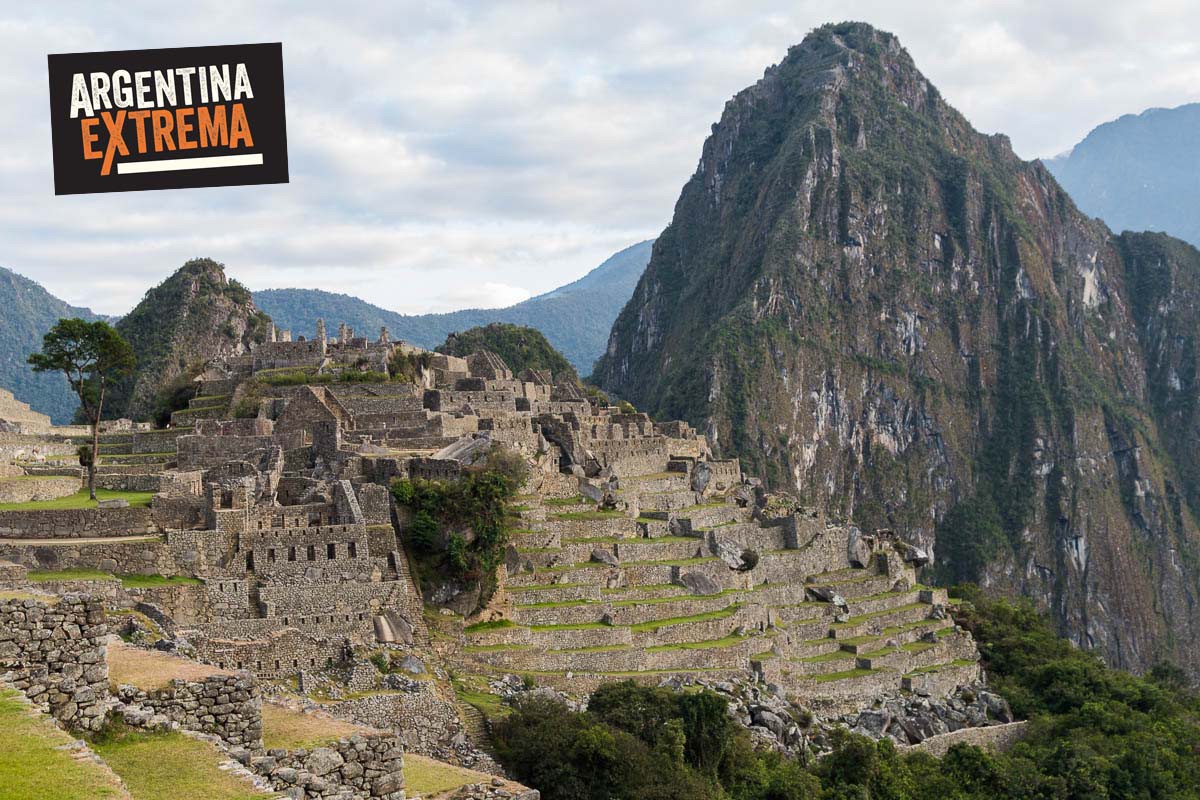
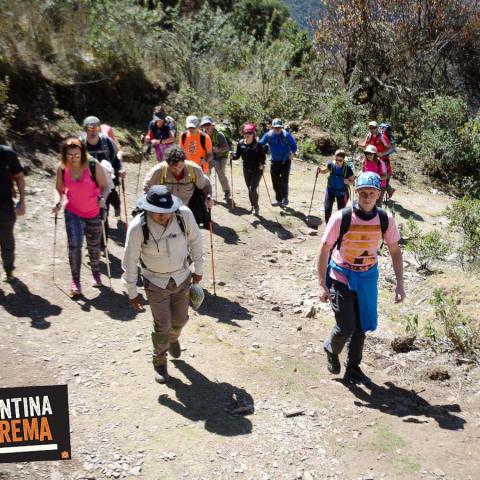
Caminar por la cordillera imponente del sur de Perú hasta la ciudadela de Machu Picchu es una aventura única. Te proponemos realizarlo por la vía menos transitada, la más agreste y la que posee el paso más alto. Se trata del trekking por el Nevado de Salkantay, un recorrido que impacta en las emociones.
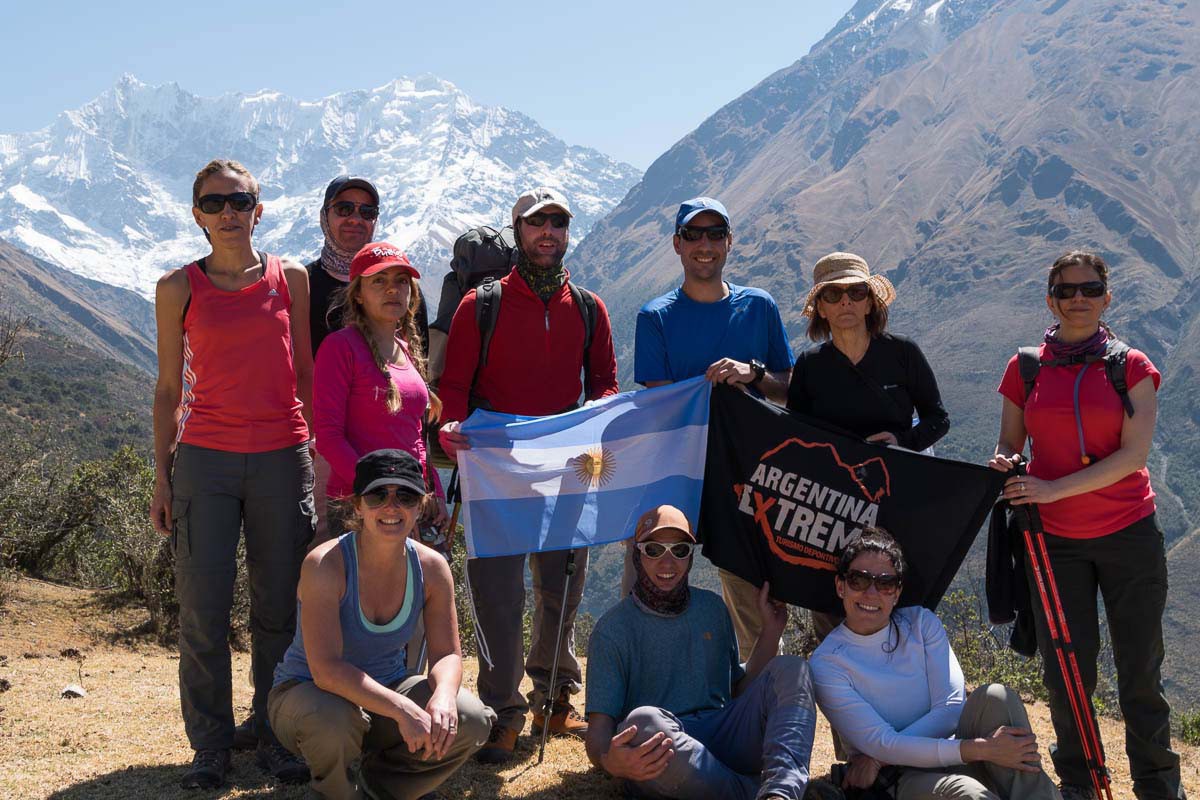
Una aventura que conmueve desde el esfuerzo hasta el contacto mismo con la historia. Te proponemos realizar el camino del Inca a Machu Picchu por un lugar diferente, con un día más y con un paisaje impregnado de montañas asombrosas. Grupo formado desde Argentina.
Incluimos reuniones previas de asesoramiento y audiovisuales + entrenamiento.
Fechas 2024:
6 de Julio (Confirmada )
20 de Julio (Confirmada )
10 de Agosto
Itinerario:
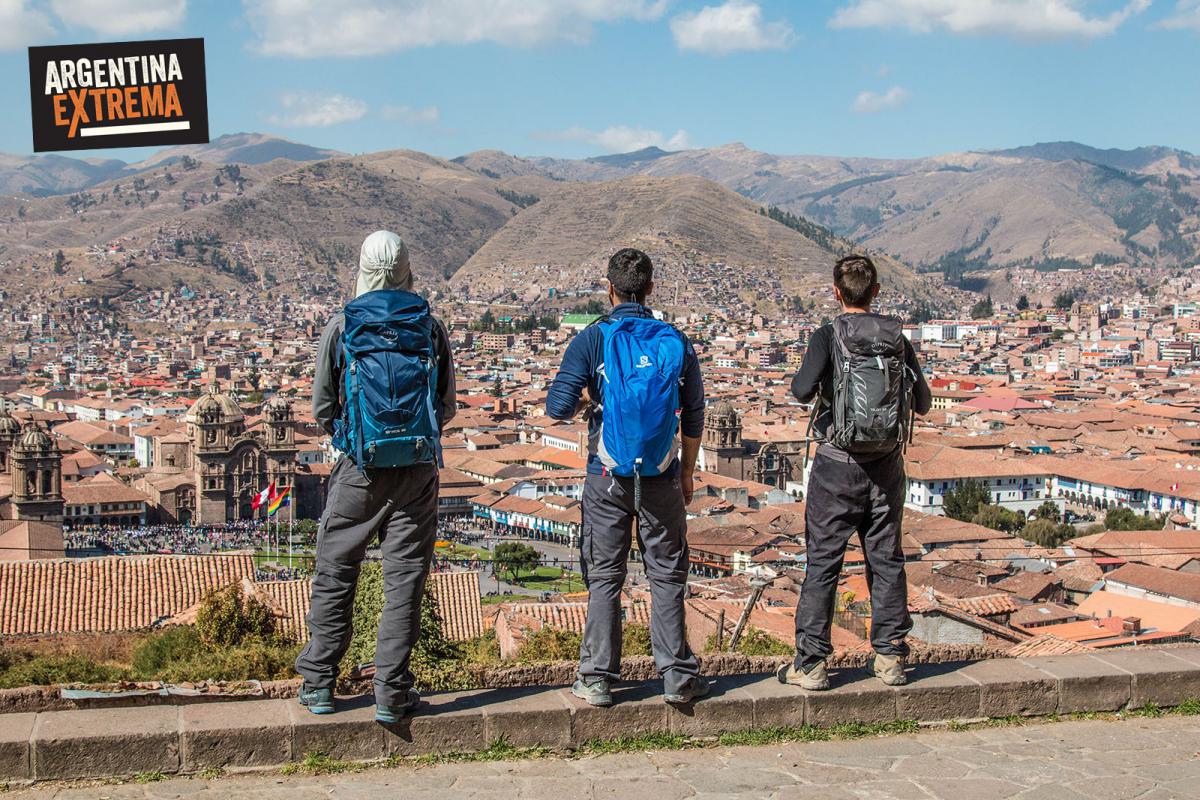
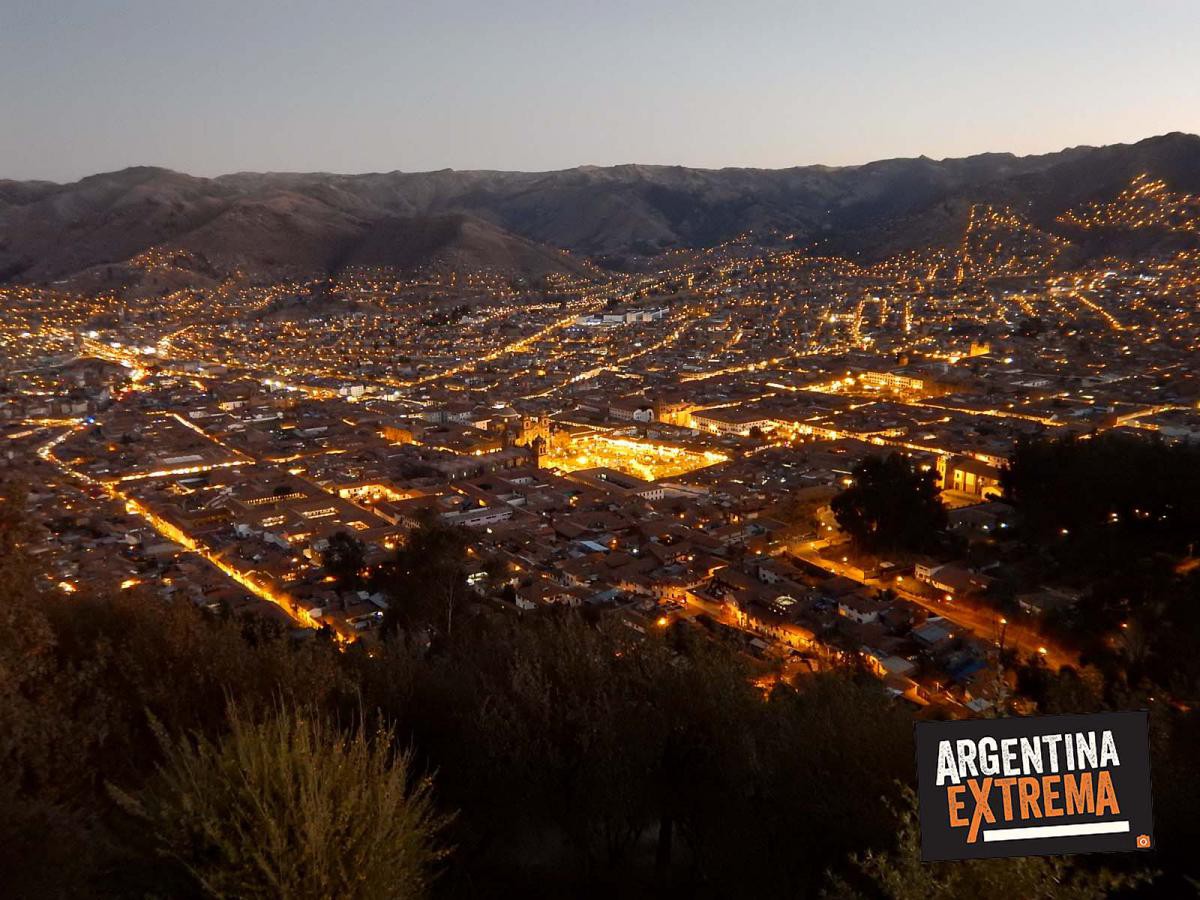
Día 1 (sábado): Encuentro en Cusco. Check in en hostel. Tarde libre para comenzar con la aclimatación y recorrer un poco el casco histórico. Recomendado: llegar un día antes (o más).
Día 2 (domingo): Día libre en Cusco y alrededores. Continuamos con la aclimatación a la altura. Briefing y últimas recomendaciones 17:00Hs.
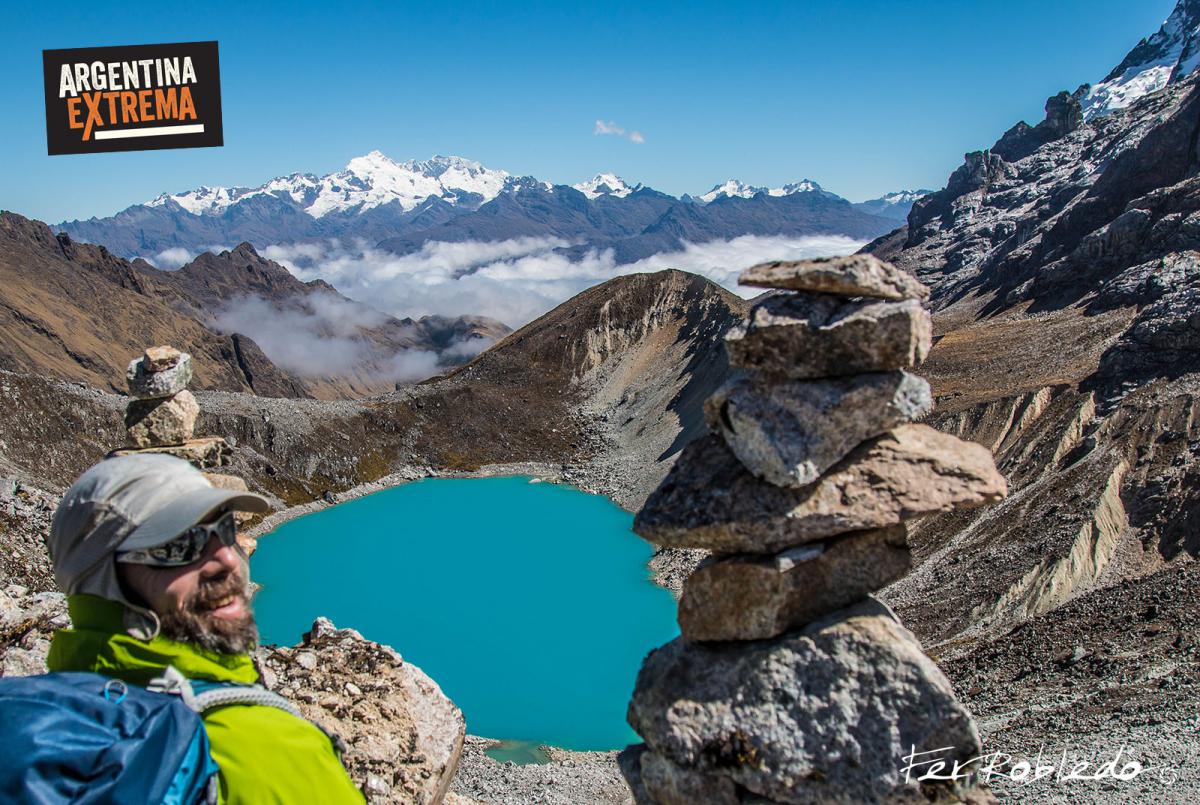
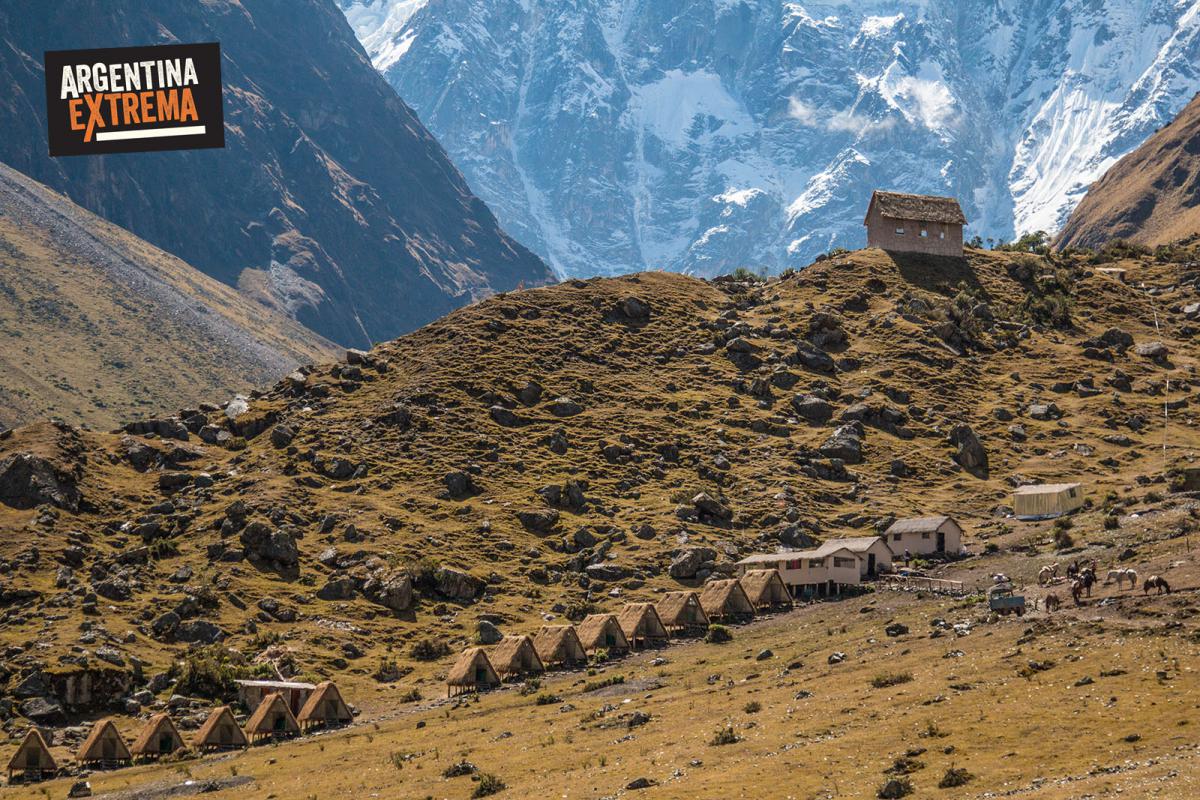
Día 3 (lunes): (Cusco - Challacancha - Soraypampa - Laguna Umantay) Salida bien temprano (5:30 am). Transfer de Cusco al pueblo de Mollepata, donde desayunaremos. De ahí nos dirigiremos hasta el punto donde comenzara el trekking, denominado Soraypampa ubicado a 3850 m.s.n.m. Trekking de aclimatación a laguna Humantay para alcanzar los 4200msnm. Luego descenderemos hasta nuestro campamento a 4000 msnm.
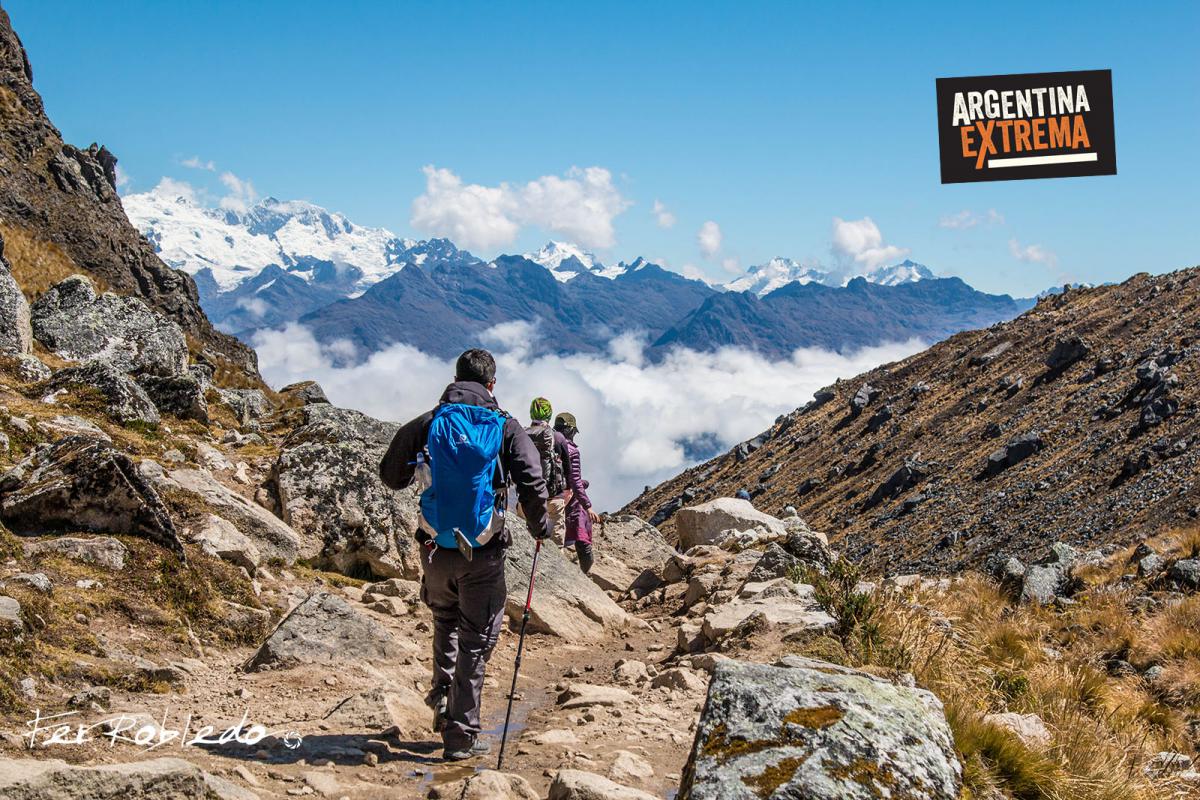
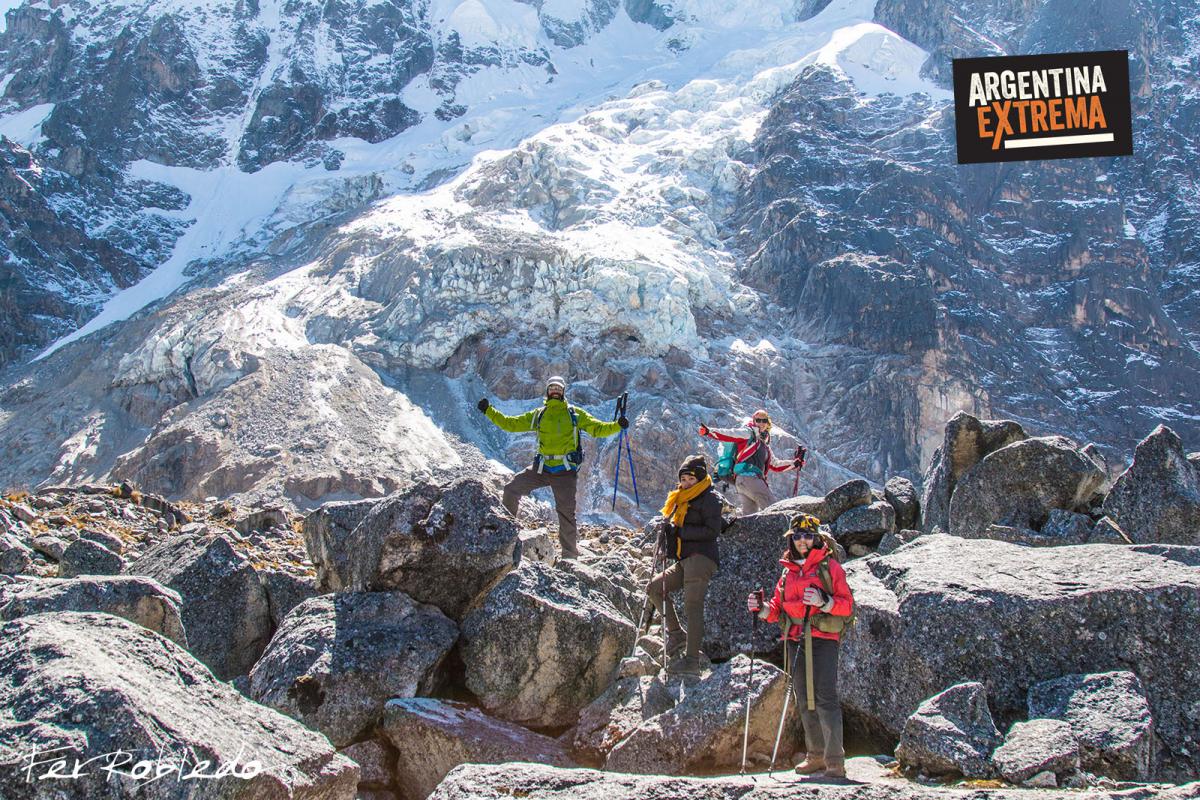
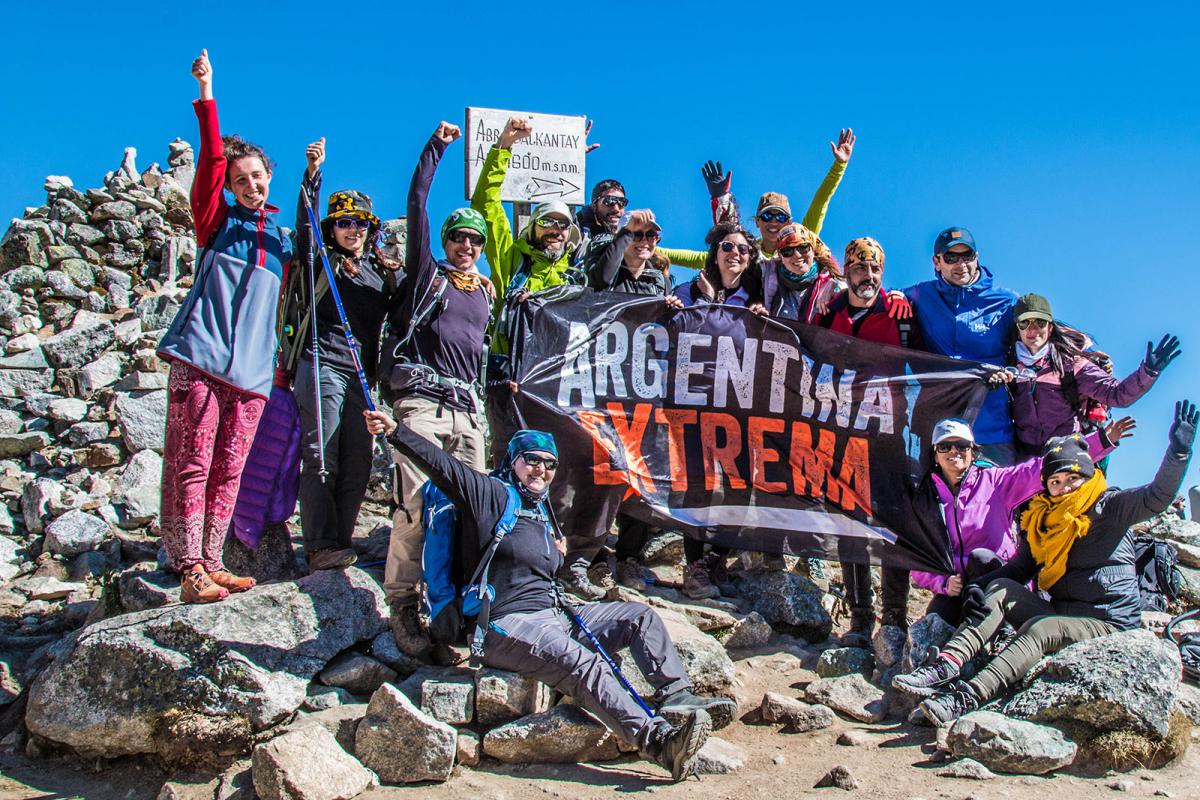
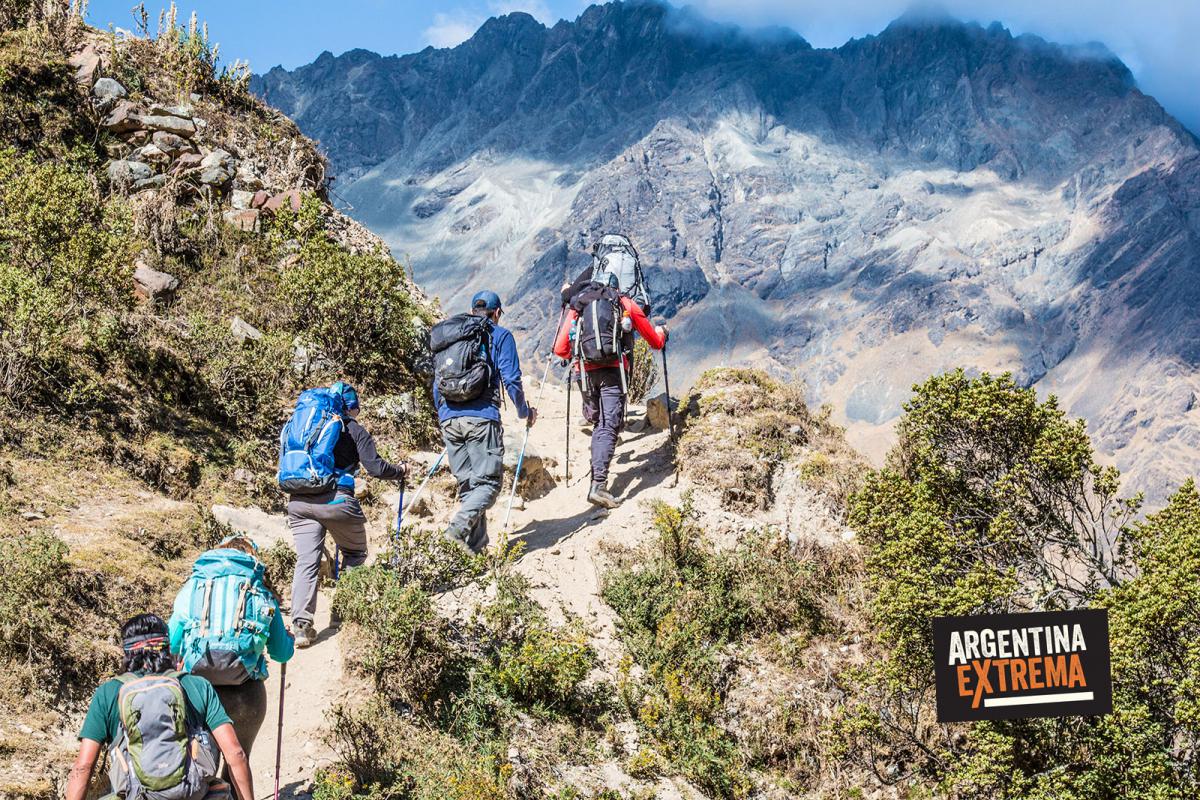
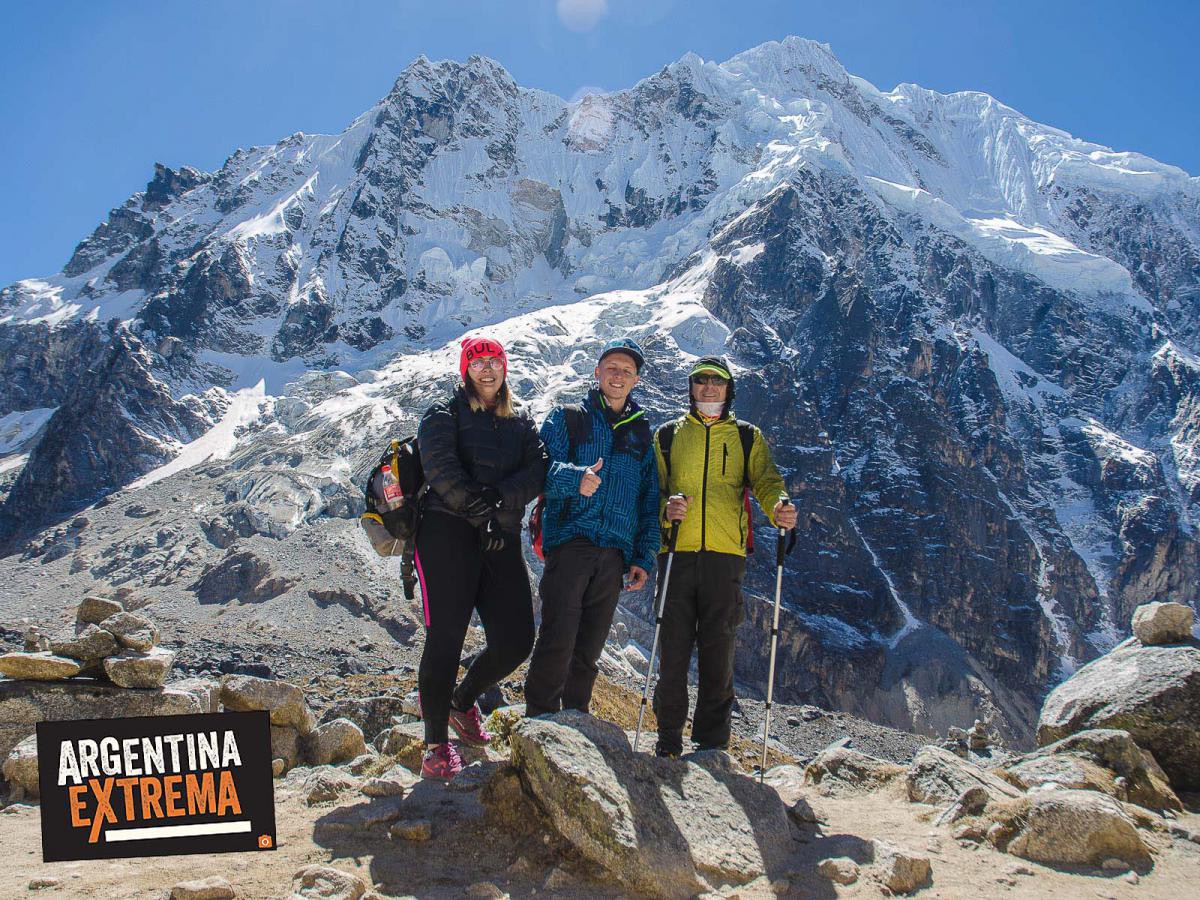
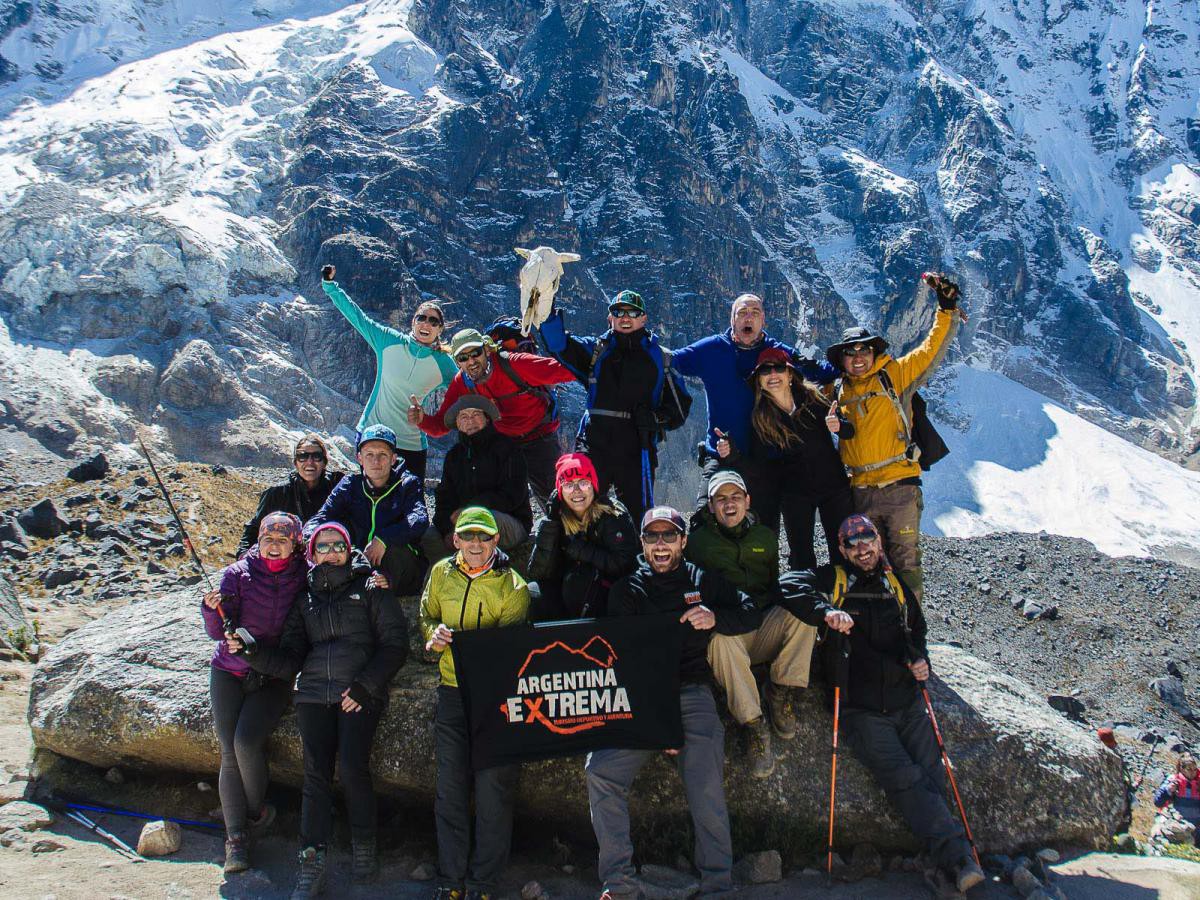
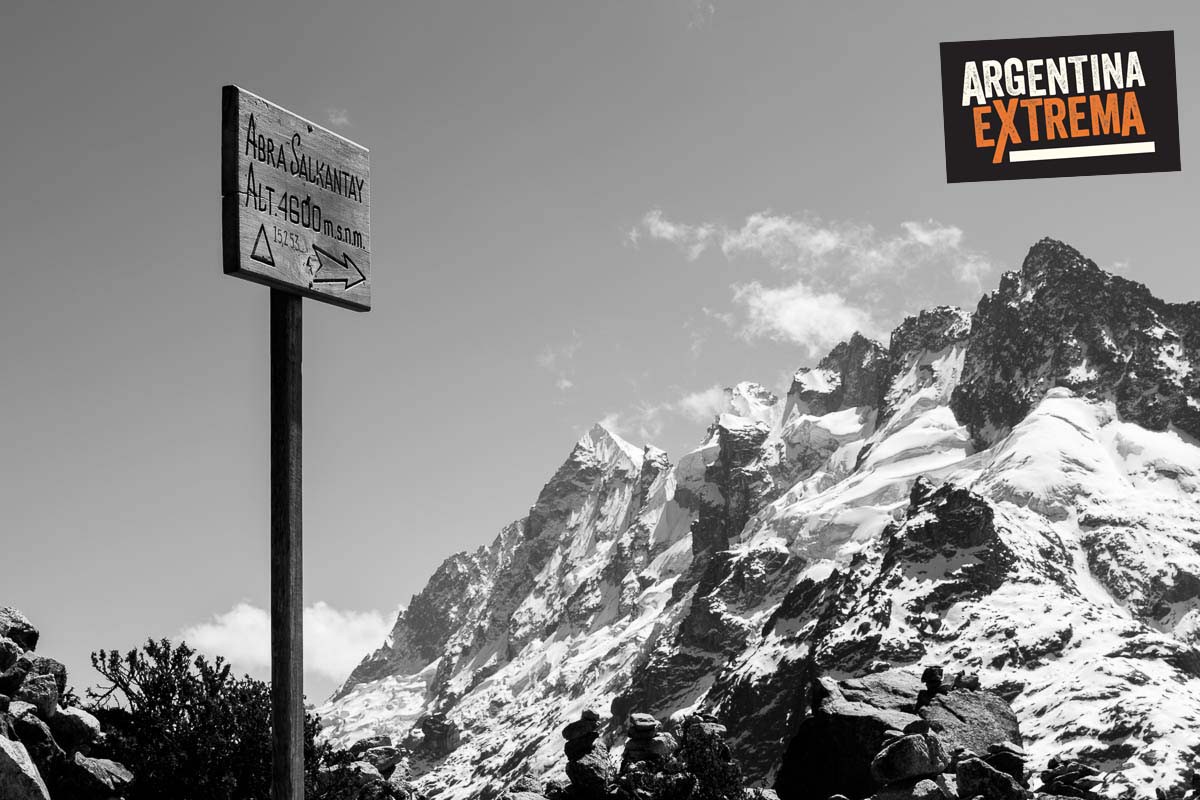
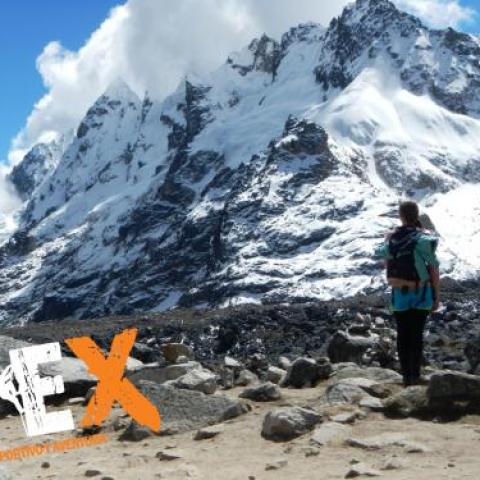
Día 4 (martes): (Soraypampa - Abra Salkantay - Huayrac Pampa - Chaullay). Comenzaremos la parte más exigente del trekking, paulatinamente iremos ganando altura y nos internaremos entre los nevados de Humantay y Salkantay. Alrededor del mediodía alcanzaremos el punto más alto, el abra Salkantay a 4613 m.s.n.m. observaremos los glaciares colgantes del Salkantay y después de un breve descanso, comenzaremos el descenso hasta Huayrac Pampa donde almorzaremos. Más tarde, continuaremos en una caminata de 4 horas el descenso hacia Chaullay ubicado a 2900 m.s.n.m. donde pasaremos nuestra segunda noche de campamento.
Día 5 (miércoles): (Chaullay - La Playa - Santa Teresa). Después del desayuno empezaremos una caminata de 6 horas. De a poco iremos haciendo la transición entre el ecosistema de altura y la selva húmeda, cambiara la vegetacion y podremos apreciar mayor variedad de flora y fauna. Arribaremos a "Lucmabamba" donde nos espera un traslado hasta Santa Teresa 1650 m.s.n.m, donde almorzaremos y pasaremos la noche..
Opcional: Baños termales hasta la hora de la cena.
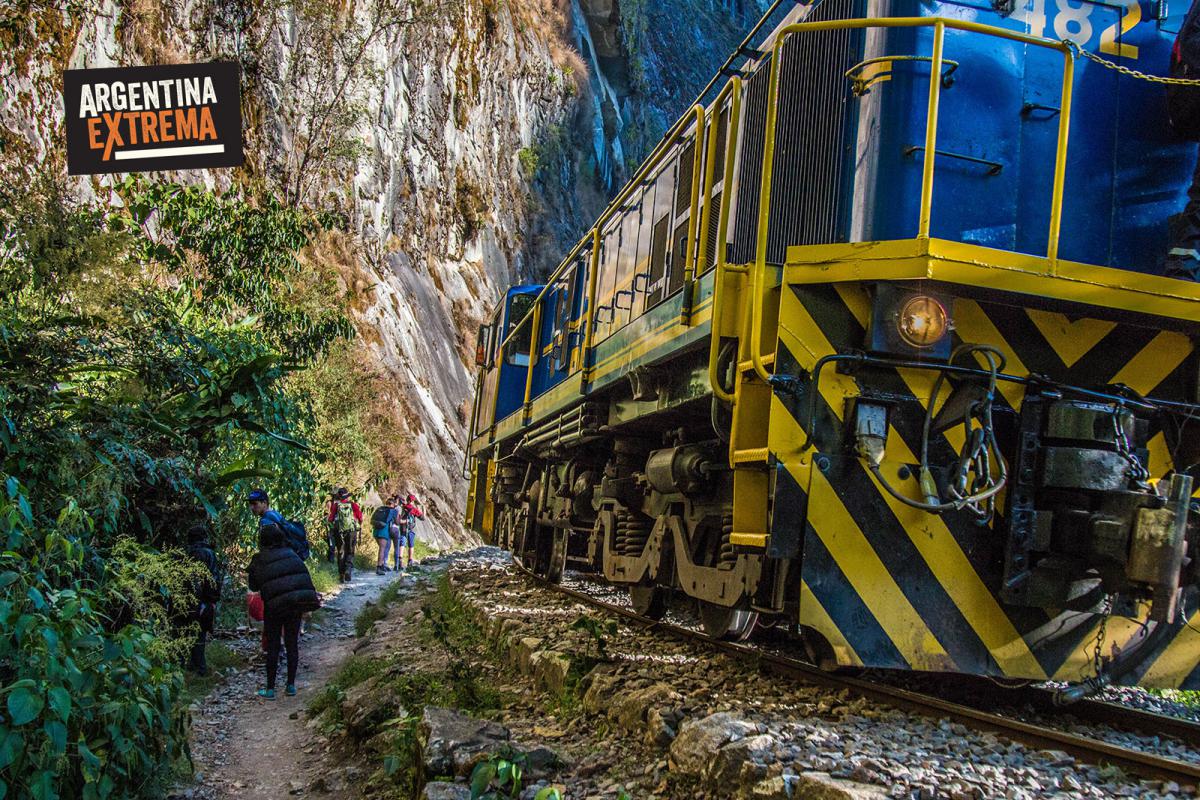
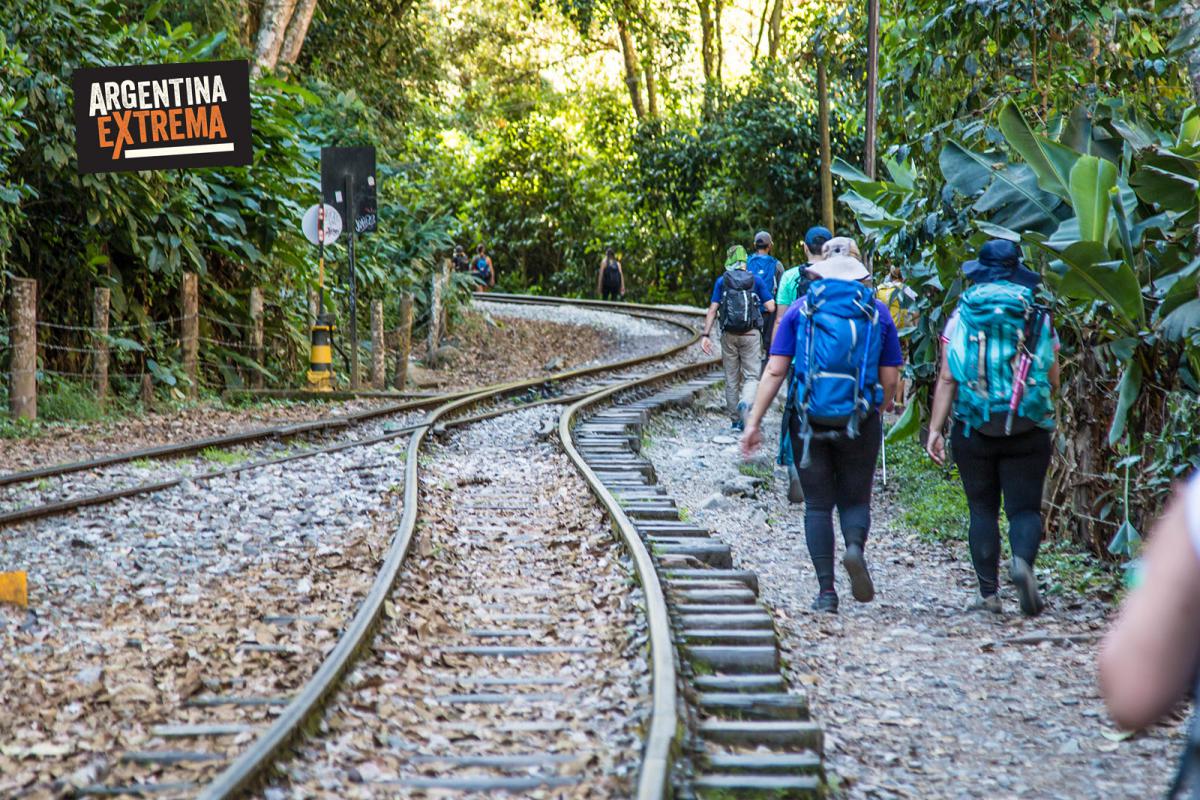
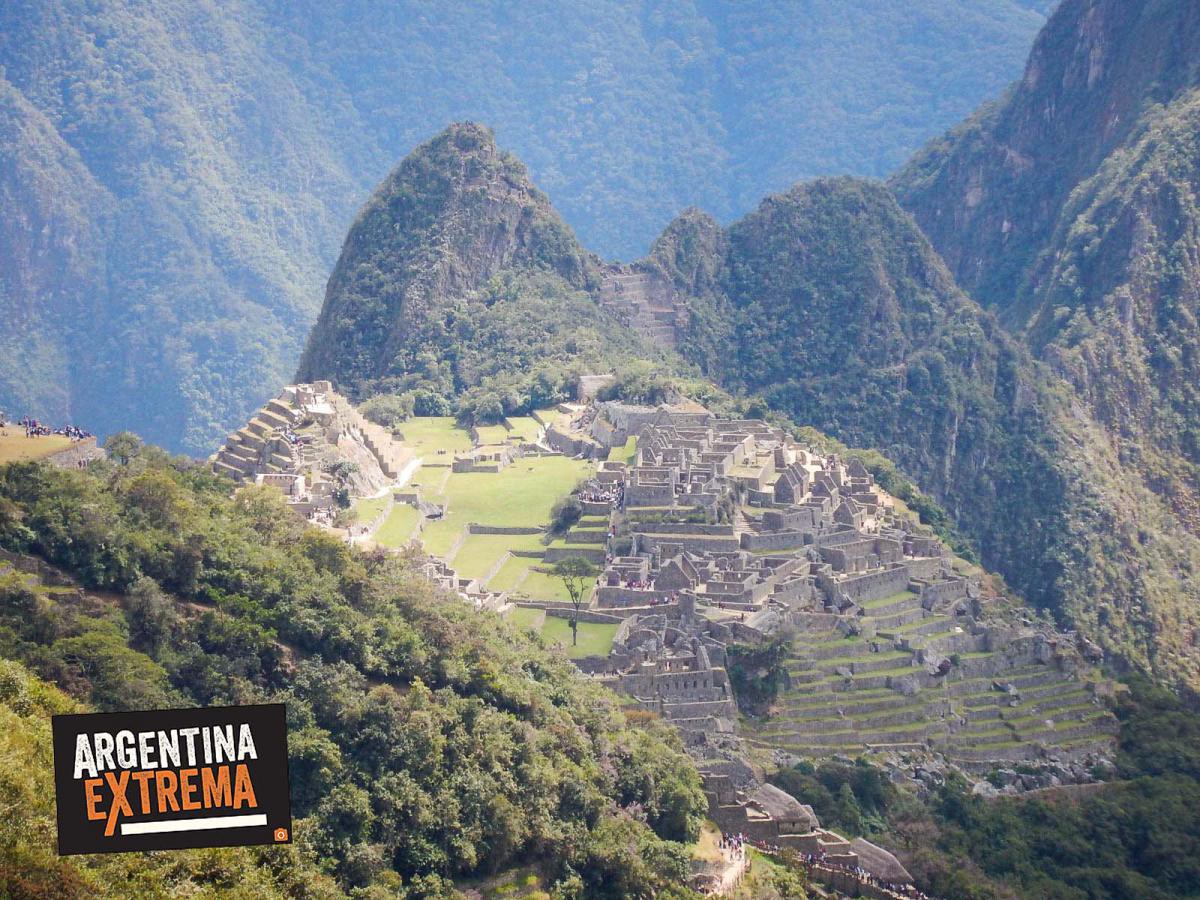
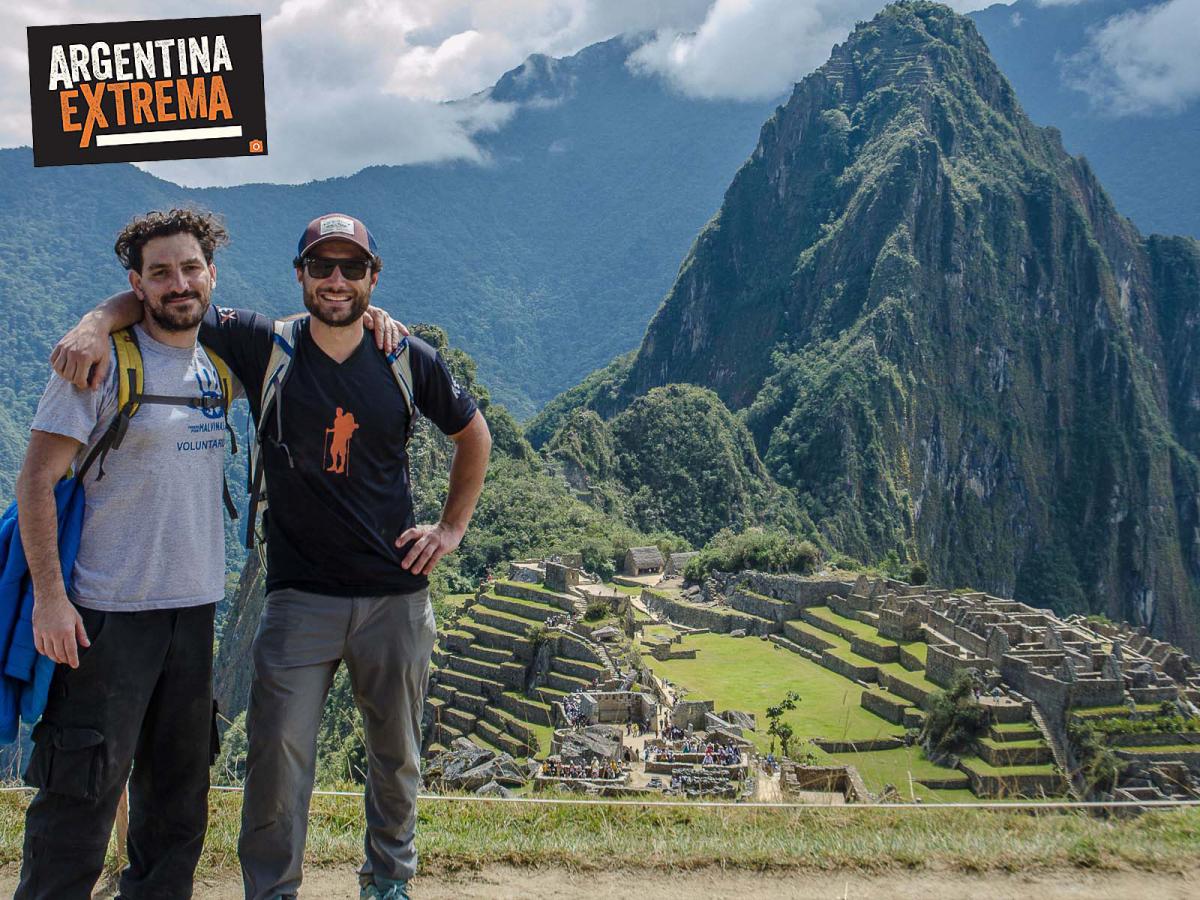
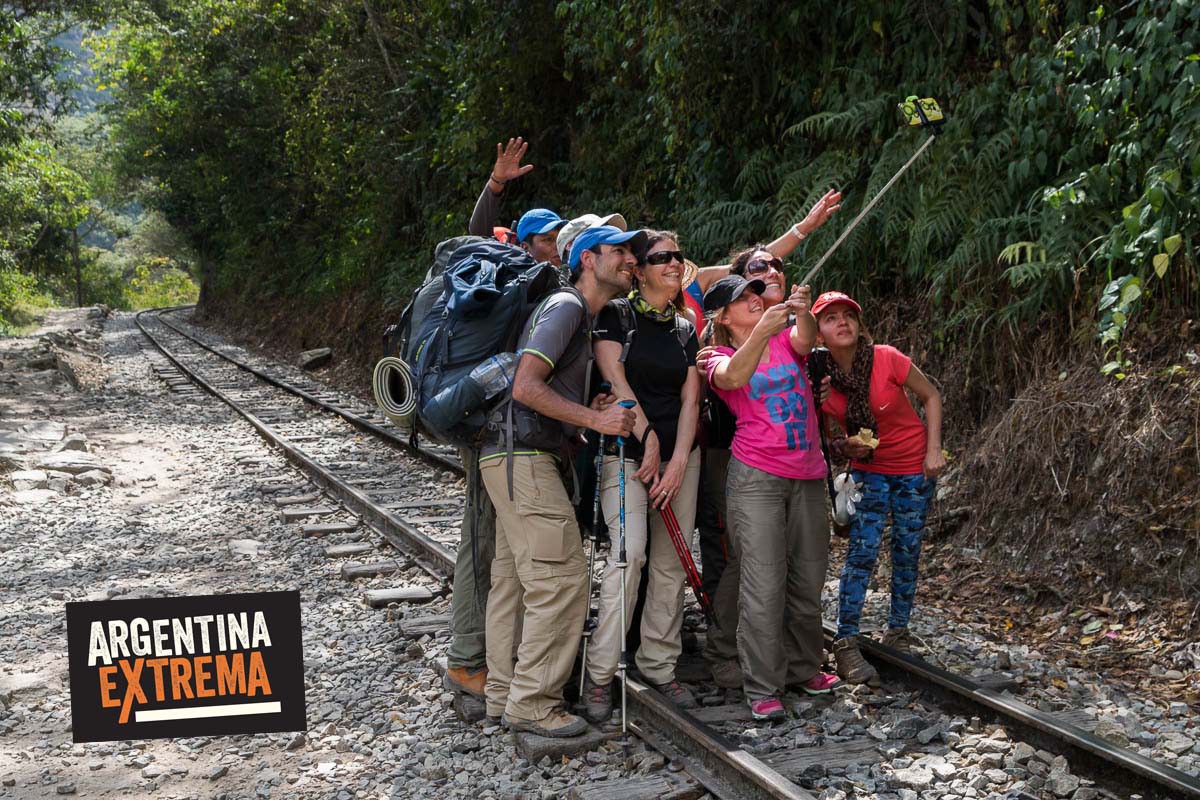
Día 6 (jueves): (Santa Teresa - Central hidroeléctrica - Aguas Calientes). Alrededor de las 5.30 nos trasladaremos hasta Llactapataes que es una ruina Inca, donde se puede ver una maravillosa vista de Machu Picchu con un angulo unico. Bajando de Lucmabamba, se almorzara llegando a Hidroeléctrica donde descansaremos. Por la tarde, seguiremos el trekking por las vias del tren, hasta a Aguas Calientes. Noche en el hostal.
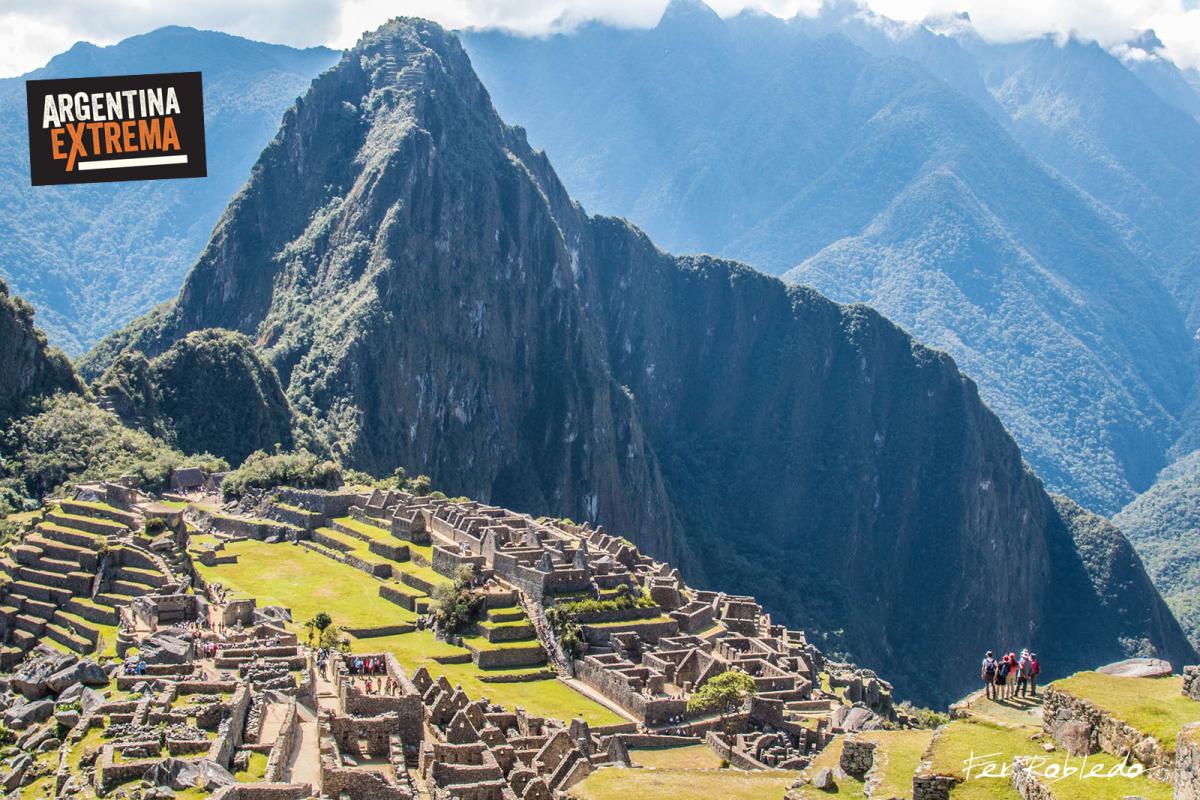
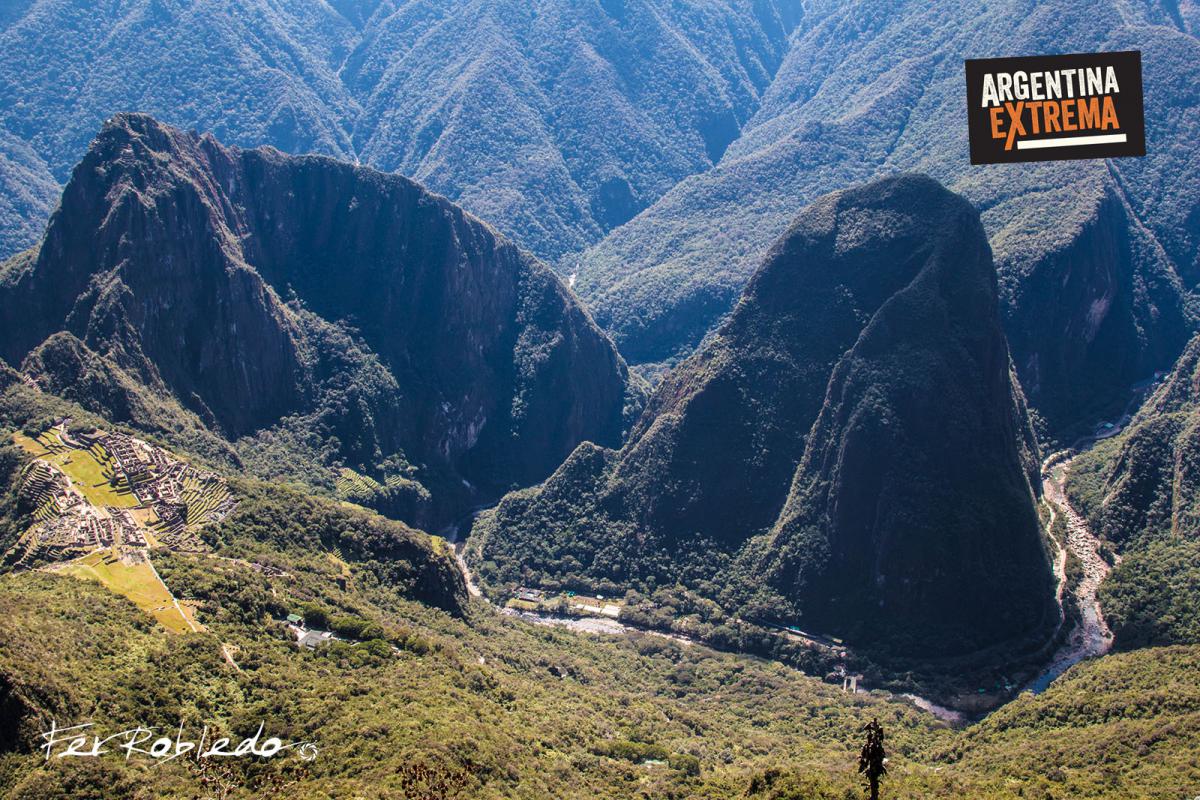
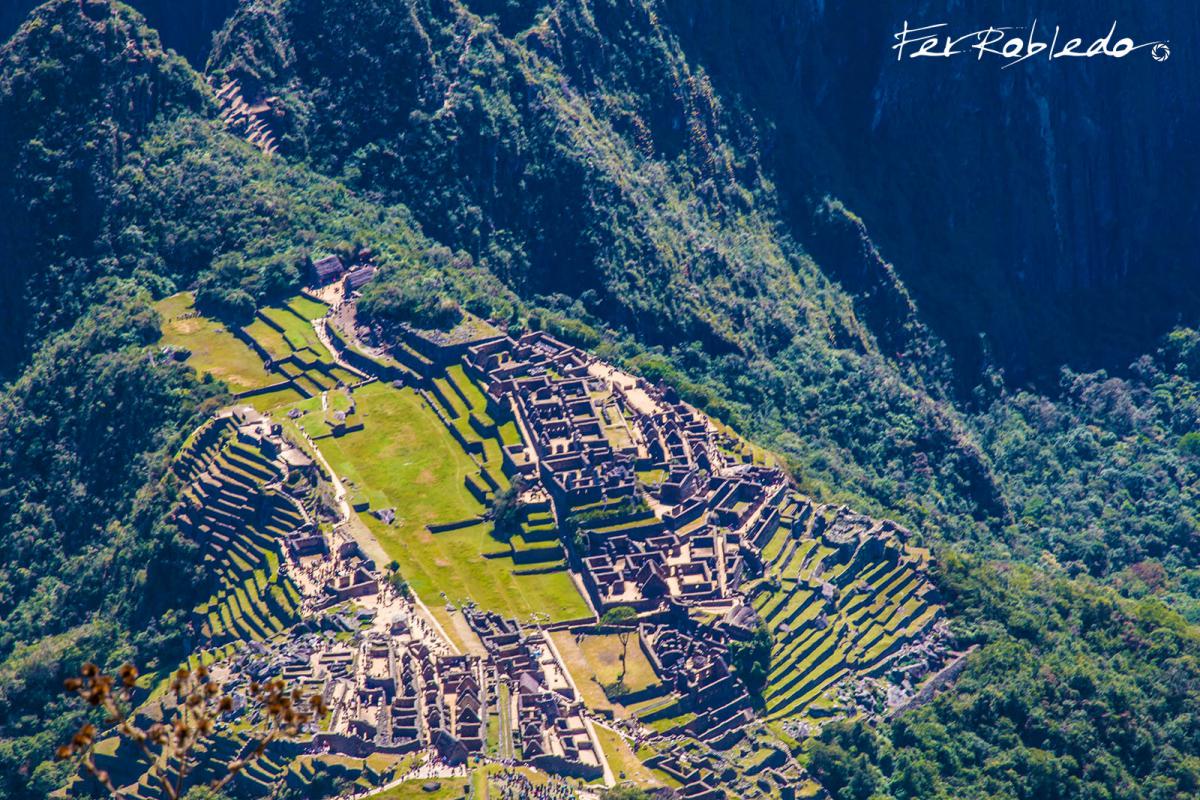
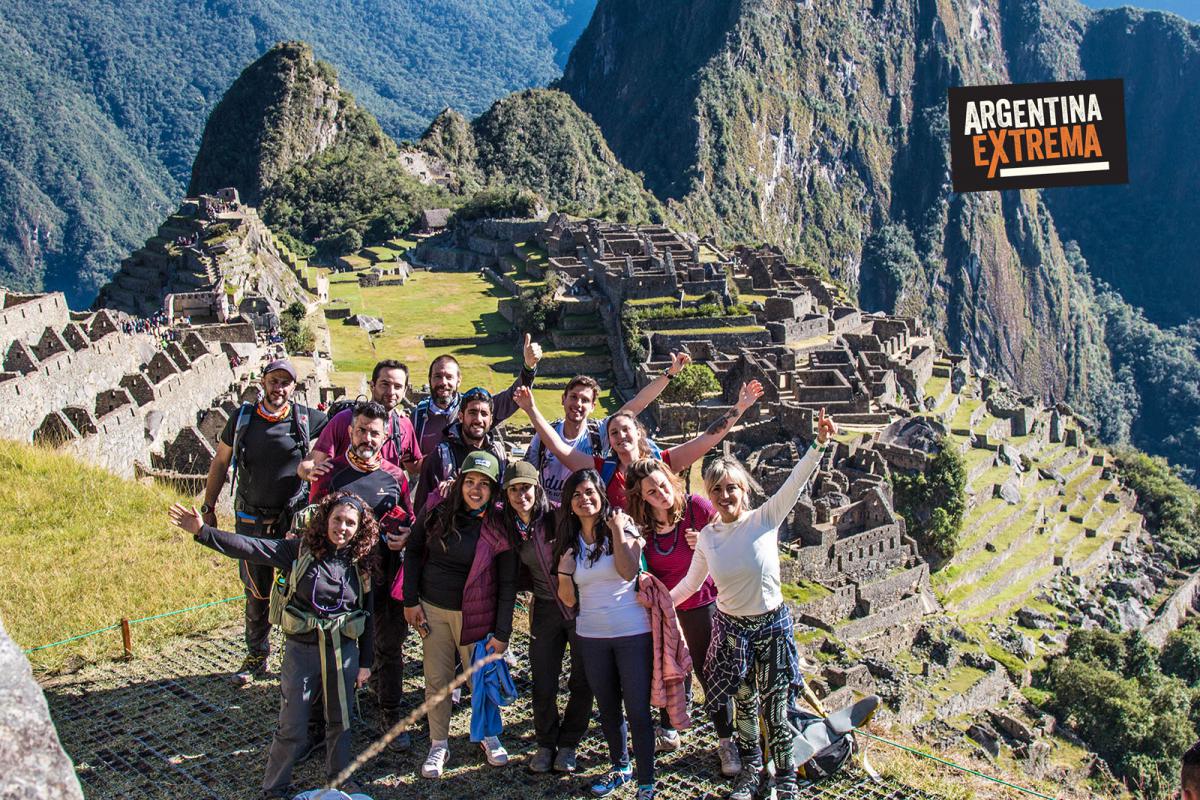
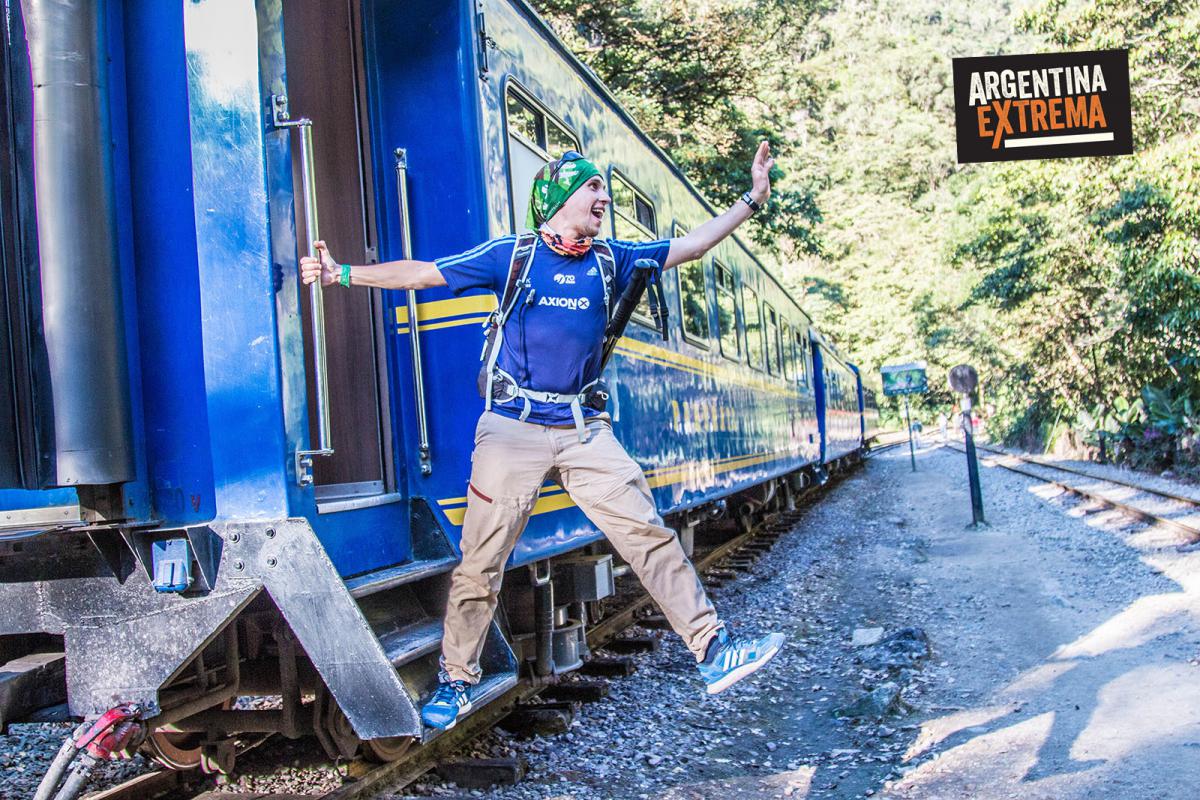
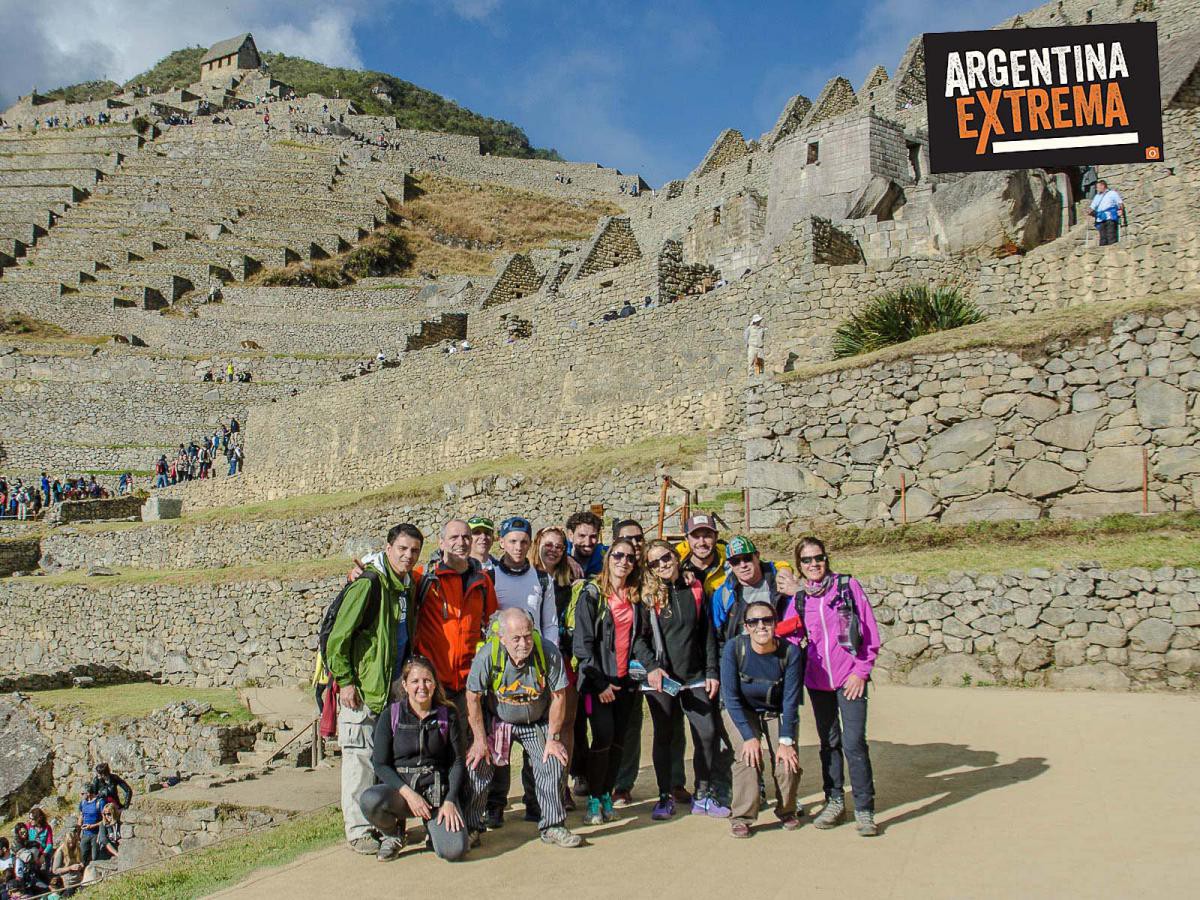
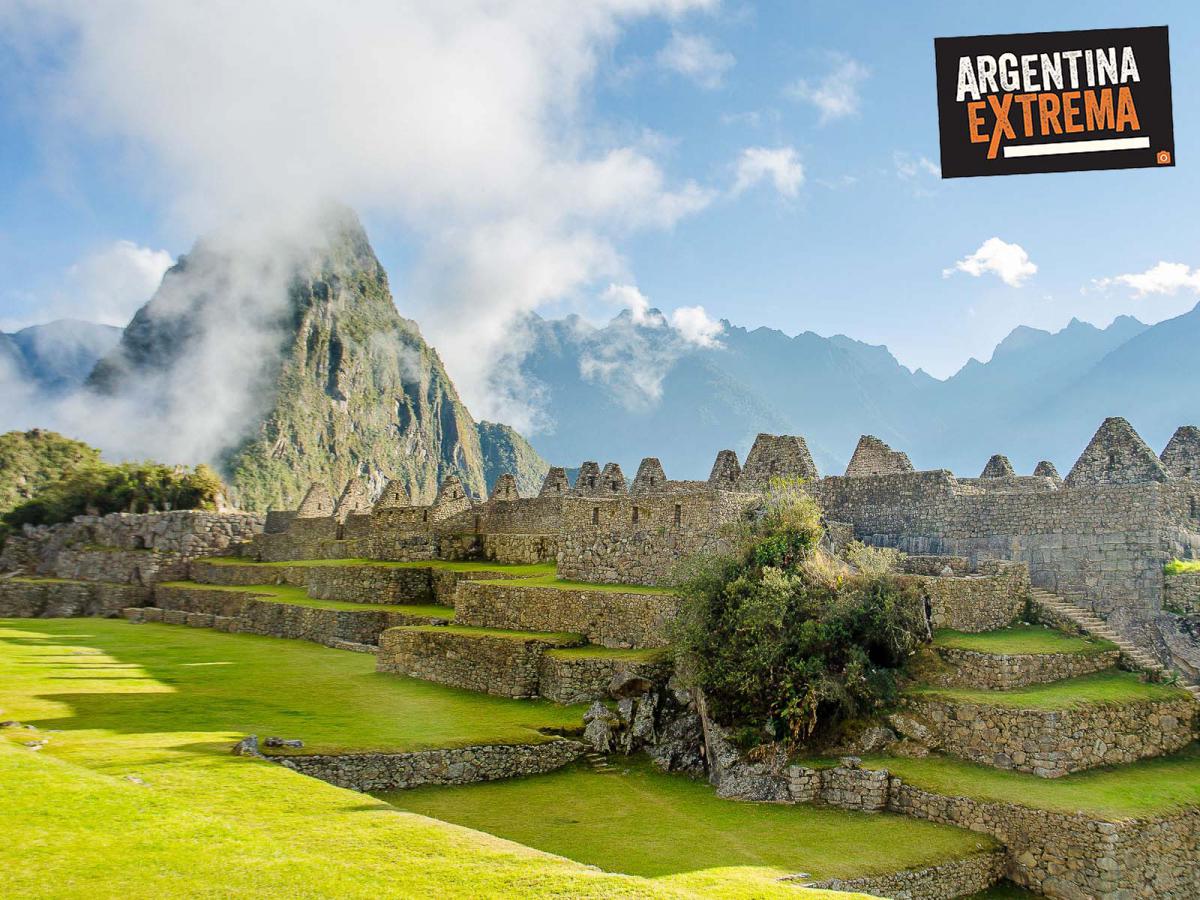
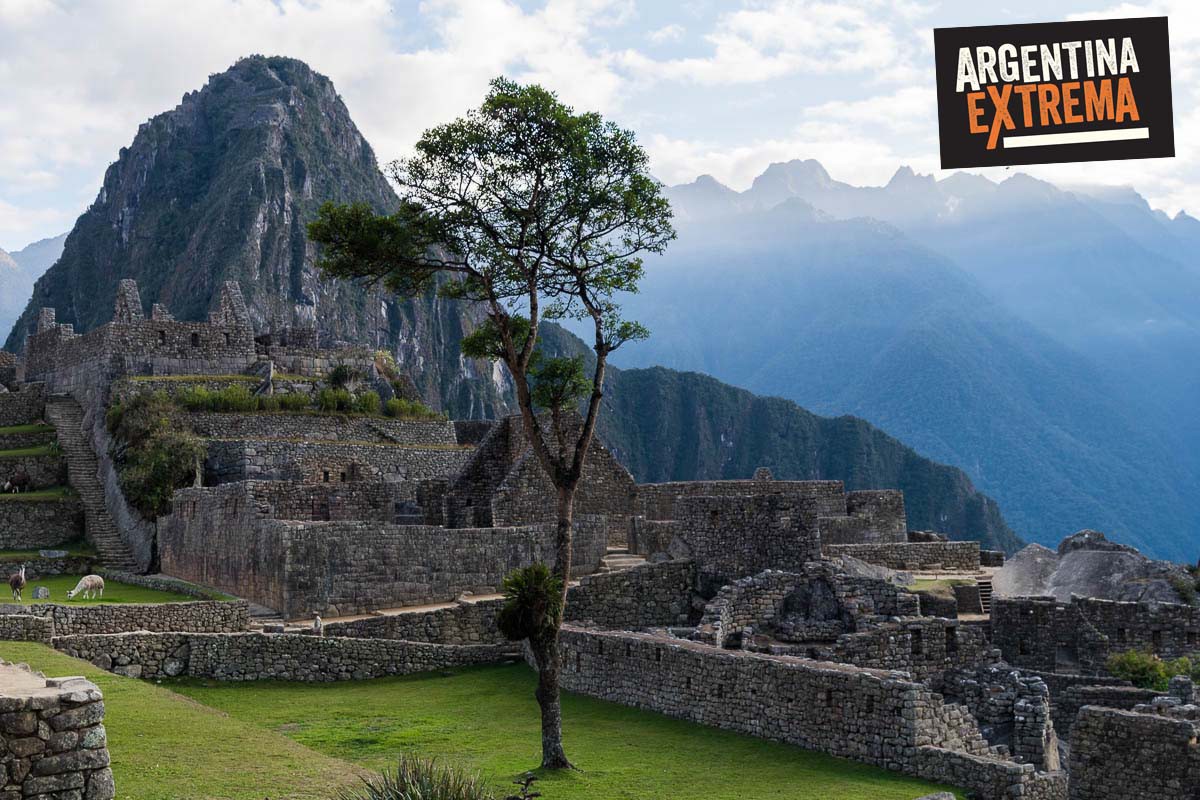
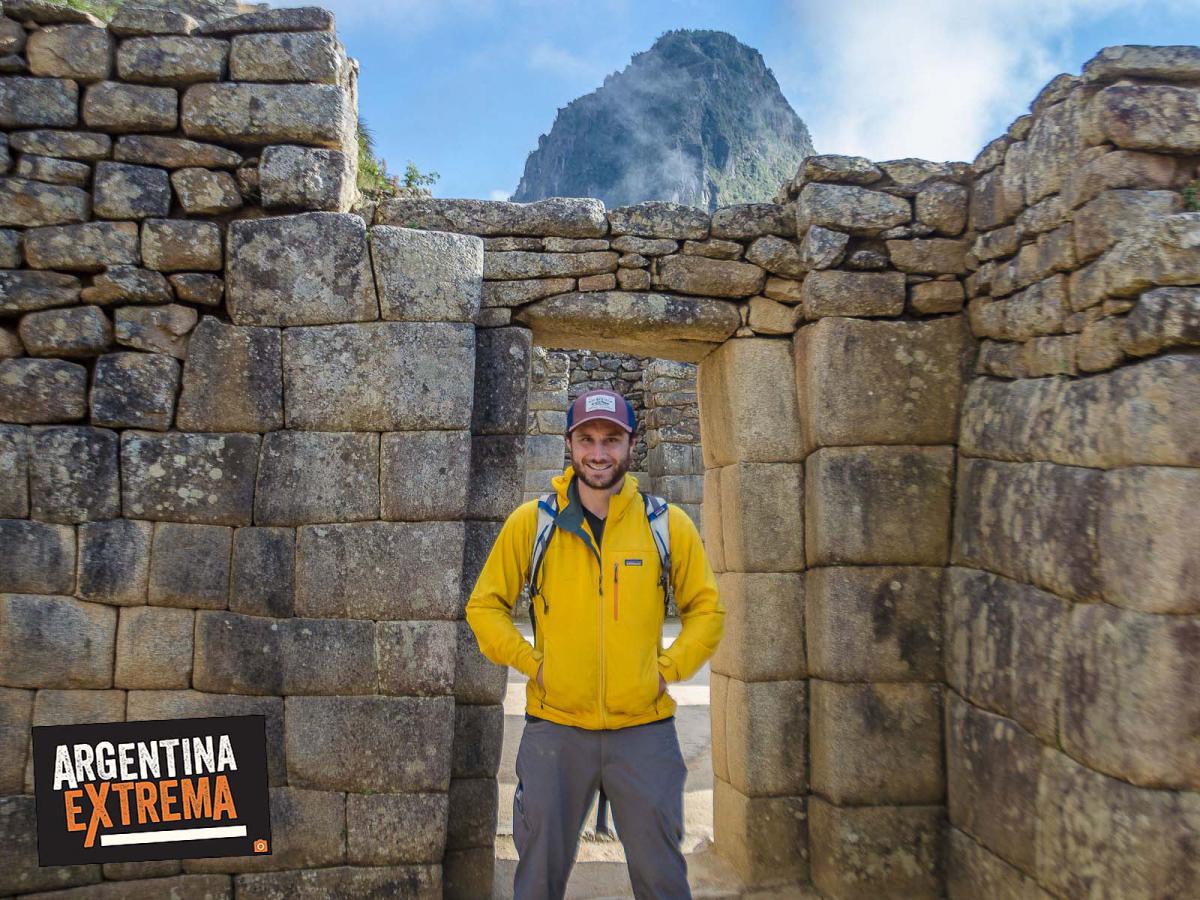
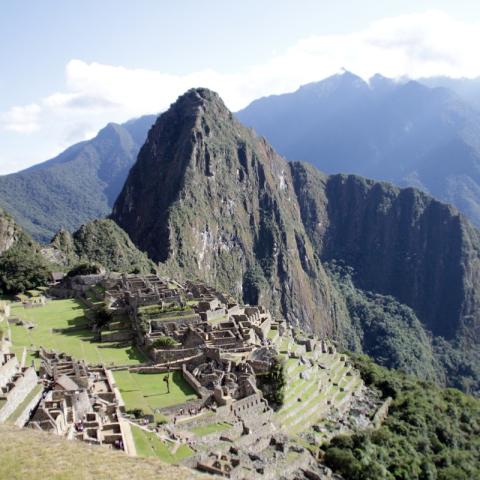
Día 7 (viernes): Aguas Calientes - Machu Picchu - Cusco. Por la mañana, Nos levantamos bien temprano y luego del desayuno con nuestro Snack en la mochila, ascenderemos a la ciudadela por la gran escalera que nos conduce desde Aguas Calientes, hasta las puertas de la Ciudadela. Tendremos una visita guiada por Machu Picchu (alrededor de 2 horas 30 min.) durante la cual veremos la Plaza Principal, la Torre Circular, el Reloj Solar, las habitaciones reales, el Templo y los cementerios. Tiempo libre para pasear por la ciudadela . Por la tarde, a las 18:00 hs. comenzaremos el retorno, primero en tren hasta Ollantaytambo y luego seguiremos en un transfer privado hasta Cusco. Hora de arribo a Cusco 23hrs aprox.
Día 8 (sábado): Desayuno en el Hostel, día libre en Cusco y fin del programa.
Opcional ayuda de caballo: esto es pago extra (aparte) y solo para el tramo del cruce por el Abra de Salkantay. Dia 4
Servicios Incluidos
Traslado de Cusco a Challacancha (inicio de trekking)
Traslado desde "Lucmabamba" hasta Santa Teresa
Caballos de carga para el equipaje personal (7 Kg. por persona)
Todo el recorrido de trekking guiado.
Pensión completa en el trekking.
Arrieros y Animales de carga para el equipo general.
Cocinero, equipo de cocina y comedor (Vajilla incluida)
Botiquín de primeros auxilios.
Entrada a la ciudadela de Machu Picchu.
Vehículos de apoyo y carga en los lugares necesarios.
Hostel en Cusco (días 1, 2 y 7)
Hostel en Aguas Calientes (día 6)
Desayunos incluidos desde el día 2 hasta el día 8.
Almuerzos y cenas : desde el almuerzo del dia 3, hasta la cena del dia 6. El viernes (día 7) se incluye un pack lunch (bolsita con un sandwichito).
Carpas + aislante
Tren desde Aguas Calientes a Ollantaytambo
Traslado de Ollantaytambo a Cusco
Asesoramiento previo con reuniones y audiovisuales en Argentina.
Coordinador-guía que viaja con el grupo desde Argentina.
Asistencia permanente.
Servicios NO Incluidos
Aereos hasta Cusco
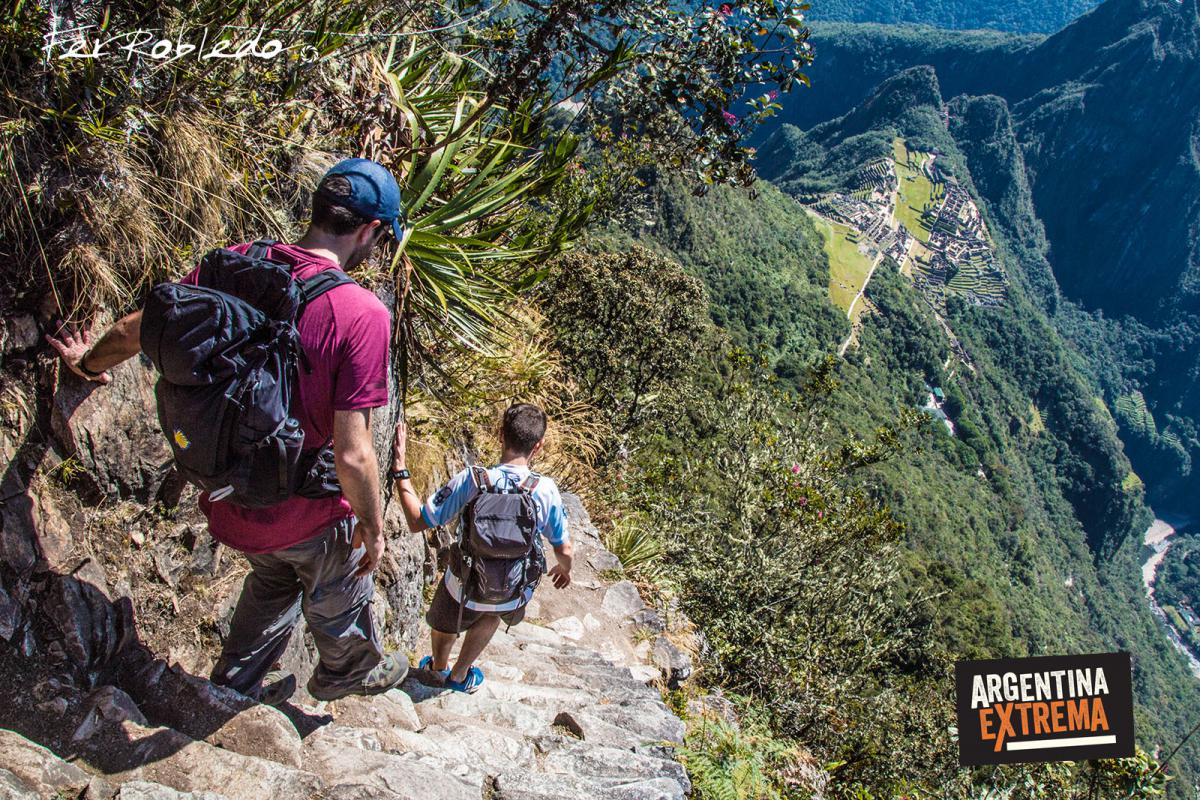
Ascenso a la montañla Huayna Picchu o montaña Machu Picchu
Excursiones extras en Cusco
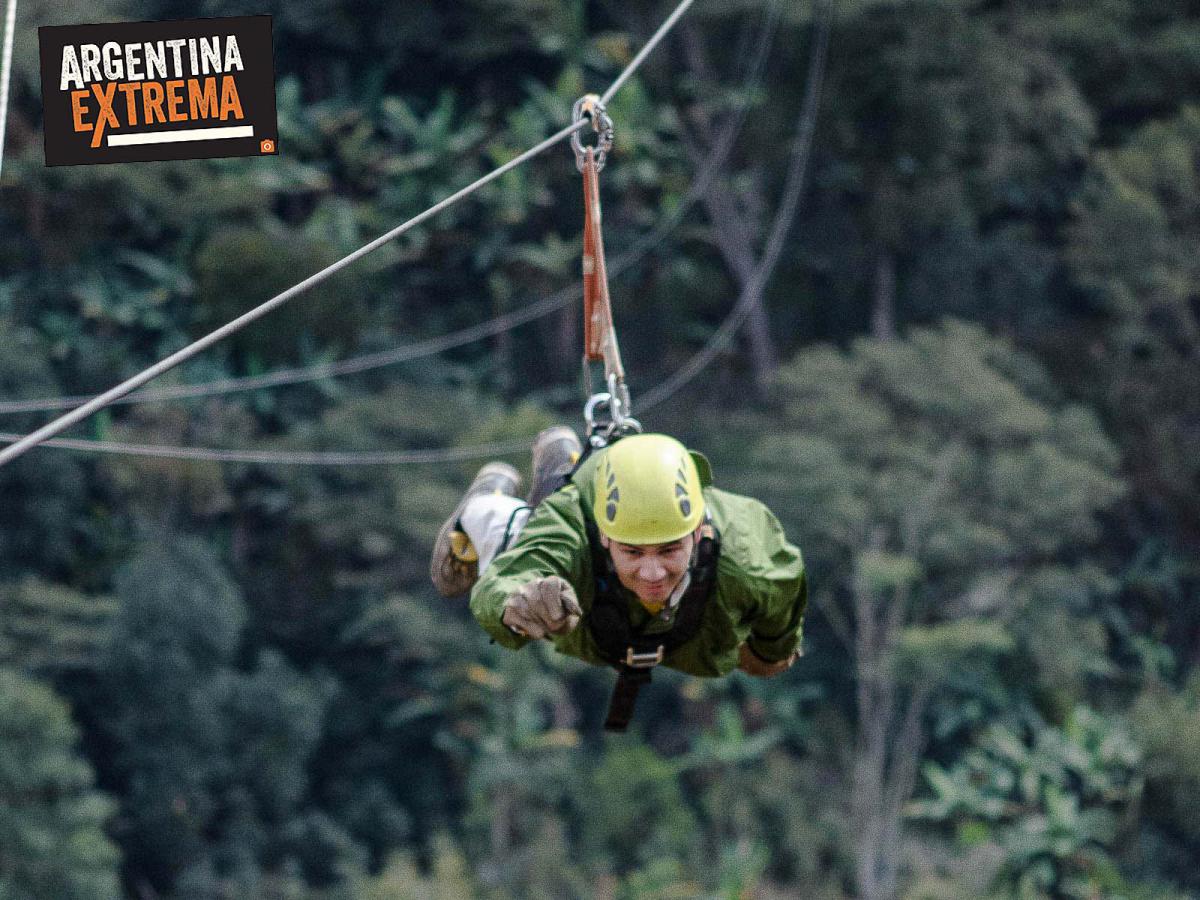
Media de Jornada en Parque Aereo (Tirolesa, Puentes colgantes, escalada)
SEGURO DE ASISTENCIA AL VIAJERO ( obligatorio)
Agua mineral embasada (Recomendable)
Propinas Guias, Cocineros, Arrieros y Campamenteros.
Almuerzo dia 1, 2
Cenas día 1, 2, y 7
Servicios opcionales
OPCIONAL ALQUILER DE BOLSA DE DORMIR. 12 USD
OPCIONAL NOCHES EN CAMPAMENTO: Carpa privada 20USD
OPCIONAL EN AGUAS CALIENTES: Bus de subida a Machu Picchu desde Aguas Calientes - Consetur [Aguas calientes - Machu Picchu] 12USD
OPCIONAL SANTA TERESA: Aguas termales (Traslado y entrada) 25 soles.
OPCIONAL: Entrada a Huayna picchu (En caso de querer realizar ascencion solicitarlo con la mayor antelacion posible) 60 USD
Nota
- Es posible utilizar el guarda equipaje del hostel en Cusco para depositar lo que no se utilizara durante el trekking.
- Durante el Trekking se camina con una mochila pequeña, donde transportaremos lo necesario para ese día. El resto del equipaje sera transportado al campamento siguiente en un caballo de carga (7 Kg por persona).
Preguntas Frecuentes
¿Cuantas horas se caminan por dia?
En general tenemos un sistema de caminar unas 3 - 4 horas por la mañana; hacemos una gran parada de almuerzo y caminamos otro tanto por la tarde hasta el lugar donde armamos el campamento.
El ascenso al Huayna Picchu está incluido?
No, lo que está incluído es el ingreso y la visita guiada a la Ciudadela de Machu Picchu; el Huayna Pucchu lo deben gestionar aparte; nos pueden consultar porque a veces existen promociones para poder incluirla en nuestro grupo. Tiene un costo aproximado extra de 60 usd.
¿Que temperaturas hay que soportar?
El norte argentino, Peru y Bolivia se caracterizan por poseer una importante amplitud térmica (calor durante el dia y fresco en las noches y madrugadas). También allí existe el denominado “Invierno Boliviano”. Esto significa que en el verano nuestro (Diciembre a Marzo) allí es temporada de lluvias. En el invierno nuestro no llueve pero la amplitud térmica se hace notar un poco más y el frío en las noches y madrugadas puede hacerse sentir, sobre todo en los campamentos de altura (a más de 2500 msnm) como dos de este recorrido.
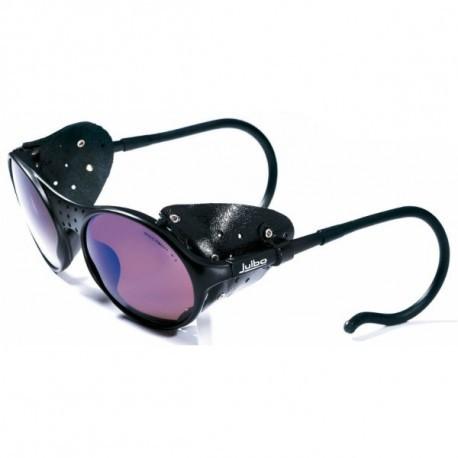
Hay que protegerse mucho del sol con sombrero-gorro, pañuelos para el cuello, protector solar y lentes de montaña. Y para la noche es importante contar con buena bolsa de dormir y abrigo ya que la temperatura puede descender a menos de 0° centígrados.
¿Que bolsa de dormir me conviene llevar?
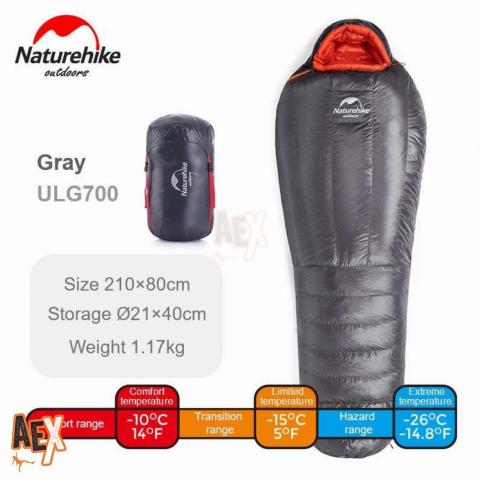
Las bolsas o sacos de dormir deben poder soportar una temperatura de 0° Confort, como para poder descansar tranquilos. La de material de duvet-pluma de ganso son las mejores, pero las sintéticas hoy en día también poseen materiales modernos y de grandes prestaciones. Se pueden alquilar.
¿Cómo me conviene viajar y a qué ciudad?
La ciudad a la que hay que llegar es Cusco. Conviene tomar un aéreo con combinación-escala directa Lima-Cusco
¿Hay algo que me puedas comentar del grupo? ¿Cuántos somos, edades, etc.?
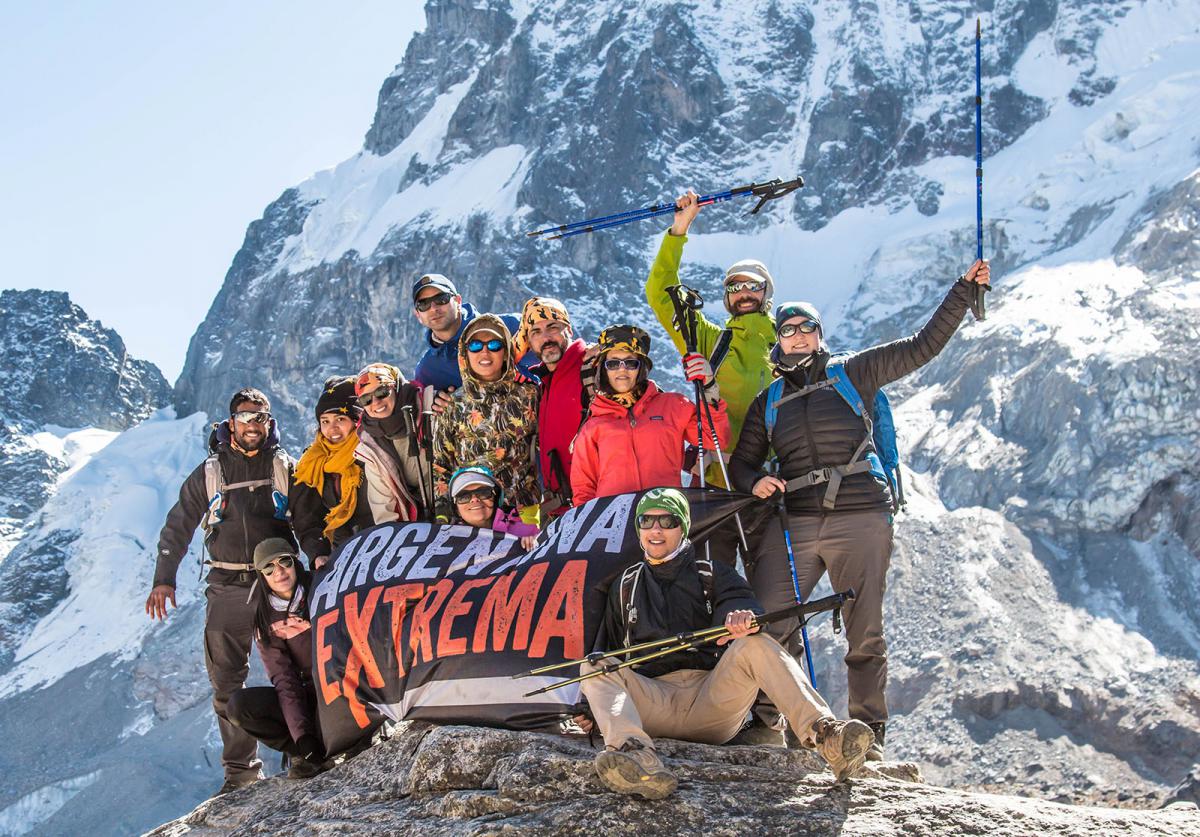
En general se trata de grupos muy heterogóneos (todo tipo de gente). Edades y sexos variados, gente que viaja sola, acompañada por algún amigo/a, parejas, familias, etc.
¿Donde se pernocta?
El pernocte se realiza en campamentos de montaña en carpas del tipo iglú, cómodas y para 2/3 o 4 personas. Y tambien en hostels, como los casos de Cusco y Aguas Calientes.
¿Viaja un guia-coordinador de Argentina con el grupo?
Si, ese es uno de los valores agregados que damos en nuestros viajes al extranjero; un guia de nuestra empresa viaja con todo el grupo y facilita las conexiones y tambien está para solucionar cualquier tipo de inconveniente, asistencia, evacuación, etc, etc.
¿Con qué estado físico debo contar como para poder realizar este tipo de travesías?
No es determinante que seas un deportista actualizado y que entrenes 4 veces por semana. Pero sí es importante que sepas que cuanto mejor físicamente te encuentres siempre va a ser mejor. La idea de estas aventuras es que ustedes puedan disfrutarla y no padecerla. Si no solés entrenar, salir a correr, hacer bicicleta u otra actividad aeróbica te recomendamos que te acerques a alguna clase de nuestros entrenamientos semanales asociados a las actividades de montaña. Y sino que empieces por salir a caminar con mochila cargada de no menos de 8 kilogramos y realices varios kilómetros por semana y también subas y bajes escaleras o pendientes en series de 20 minutos ininterrumpidos. Solicitanos un plan de entrenamiento adecuado.
Informate sobre nuestro Grupo de Entrenamiento haciendo click ACA
¿Se hacen paradas de descanso?
Las paradas se dan con una frecuencia y graduación según la intensidad. Hay paradas para almorzar, merienda, y descanso.
¿A partir de que edad pueden hacer esta actividad?
A partir de los 12 años de edad.
¿Cuanto pesa la mochila?
Entre 8 y 12 kilos. Tengan encuenta que Incluimos cargueros para llevar parte del equipo de cada participante (Hasta 7 kg por persona).
Puedo dejar cosas el el Hotesl en Cusco?
Si deberán. Al trekking deben llevar lo que indica el listado de EQUIPO REQUERIDO, en un bolso o mochila (que las llevaran los cargueros). Una mochila de 30 litros que utilizarán durante el trekking. Y el resto del Equipaje que trajeron quedara en el hostel en Cusco y se recuera al regreso.
¿Que comemos?
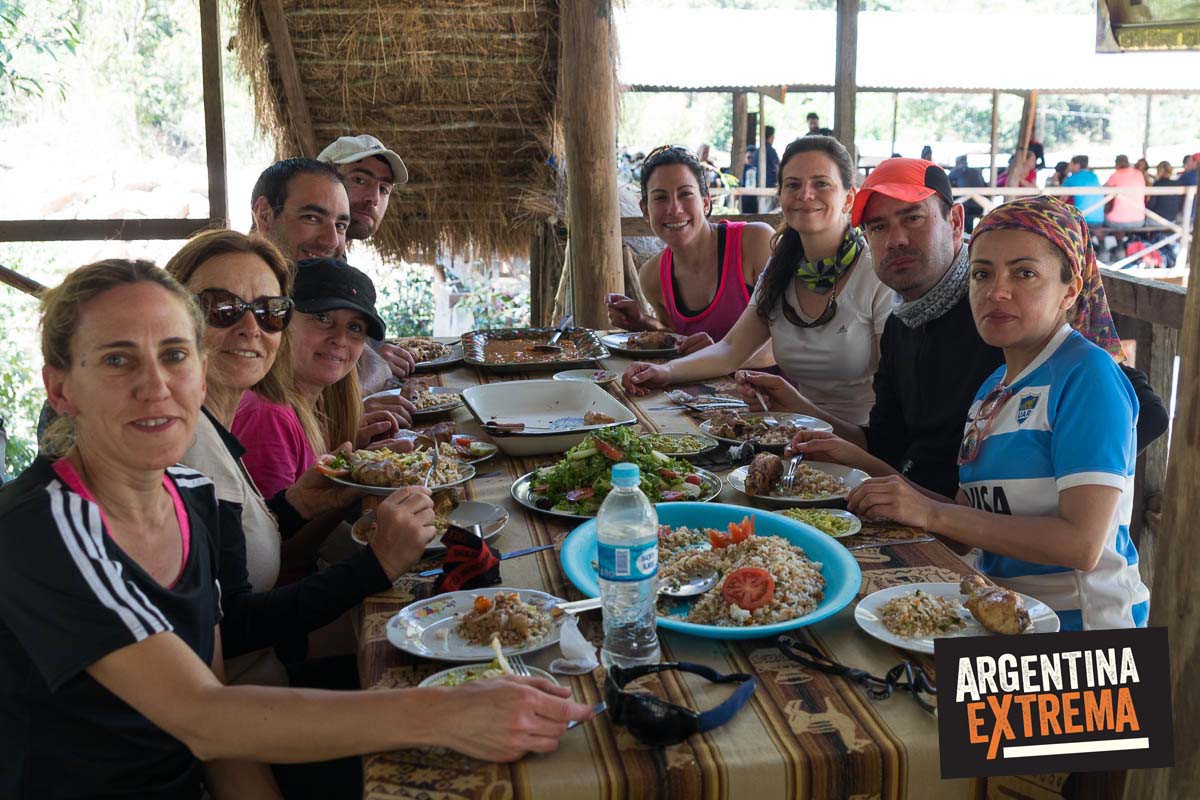
En todas nuestras expediciones brindamos el servicio de comidas EN PLAN PENSION COMPLETA. En esta oportunidad el servicio es contratado y nos adaptamos a las comidas regionales que, en general y en este caso, no cambian mucho a nuestras salidas a la montaña.
¿Para quién es Trekking a Machu Picchu por Salkantay?
Trekking a Machu Picchu por Salkantay es una expedición que la puede realizar cualquier aventurero con la preparación física, equipo y experiencia previa adecuada con salida desde Cusco, Perú , en la región Internacional, Argentina.
Tiene una duración de 8 días. Todos nuestros programas incluyen guías de montaña certificados, logística de expedición y seguro de accidentes personales.
¿Qué nivel físico se necesita para Trekking a Machu Picchu por Salkantay?
Como medir la dificultad de un ascenso o una expedición? es una pregunta que surge a menudo. Para esto desarrollamos un sistema de graduación que ayuda al participante a medir la dificultad, dado a que evaluamos 5 variables sobre la intensidad de cada propuesta. • El peso de la mochila en relación a la duración de la jornada • La exigencia física • El nivel técnico del terreno y equipo requerido • El grado de fortaleza psíquica necesaria • La altura máxima que se alcanza
Hace click el botón y evaluá vos mismo la dificultad ->:
¿Qué equipamiento necesito para participar del Trekking a Machu Picchu por Salkantay?
En cada uno de nuestros programas vas encontrar un apartado de EQUIPO REQUERIDO. contá con nosotros para asesorarte y prepararlo de forma adecuada para maximizar el disfrute de la actividad. Contamos con una tienda de alquiler, para resolver si te falta algo. Chequealo ahora! ->
¿Qué incluye Trekking a Machu Picchu por Salkantay?
Traslado de Cusco a Challacancha (inicio de trekking)
Traslado desde "Lucmabamba" hasta Santa Teresa
Caballos de carga para el equipaje personal (7 Kg. por persona)
Todo el recorrido de trekking guiado.
Pensión completa en el trekking.
Arrieros y Animales de carga para el equipo general.
Cocinero, equipo de cocina y comedor (Vajilla incluida)
Botiquín de primeros auxilios.
Entrada a la ciudadela de Machu Picchu.
Vehículos de apoyo y carga en los lugares necesarios.
Hostel en Cusco (días 1, 2 y 7)
Hostel en Aguas Caliente
Sistema de Graduación de Dificultad
Haz clic en cada indicador para ver detalles
40%
Mochila (M)
Mochila: Peso / Duración de la Jornada.
Clic para detalles
40%
Físico (F)
Exigencia Física
Clic para detalles
20%
Técnico (T)
Técnico: Dificultad en el Terreno / Equipo.
Clic para detalles
40%
Psico (P)
Fortaleza Psicológica
Clic para detalles
60%
Altura (A)
Exposición a la Altura
Clic para detalles
Mochila (M)
Mochila (M)
Este punto tiene que ver con el peso que debemos transportar en nuestras mochilas. Los trekkings o las travesías en las que contamos con animales de carga nos permiten tener que soportar menos peso en las espaldas.
20%Hasta 5 Kilos: Caminatas cortas de excursión / Trekking Talampaya
40%Hasta 8/10 Kilos: Trek-ascenso de ida y vuelta / Vallecitos programas de 3 y 4 días
60%Hasta 12/15 kilos: Trekkings de travesía con porteo / Cruce de los Andes Paso Portillo
80%Más de 15/18 kilos: Trekkings de travesía con poco o sin porteo / Trekkings en Patagonia
100%Más de 25 Kilos: Con mucho equipo encima y poco o sin porteo / Hielos Continentales
Exigencia Física (F)
Físico (F)
Consideramos exigencia física al desgaste que podemos sufrir tanto aeróbico como muscular y de piernas y articulaciones.
20%media jornada o menos con poco desnivel.
40%desniveles más sostenidos y jornadas con mayor duración en la actividad. 2-3 días /más de 6 horas x jornada.
60%Subidas y bajadas largas con mayor duración. Ascensiones a más de 4000 mts en cordillera central.
80%Trabajo importante de piernas en resistencia. Jornadas muy largas. Ascensiones de jornadas muy largas.
100%Exigencia al máximo. Trabajo aeróbico y de fuerza constante en piernas. Hielos Continentales, Aconcagua.
Aspecto Técnico (T)
Técnico (T)
La dificultad técnica se basa principalmente en el terreno y la habilidad requerida.
20%terreno plano
40%senderos con subidas y bajadas moderadas. Trekkings de travesía en general.
60%Laderas y senderos más escarpados. Posible utilización de grampones.
80%Terreno mixto, con nieve o hielo. Alvear, Lanin, Tronador.
100%Terreno muy técnico. Tránsito glaciar y escalada por tramos.
Fortaleza Psicológica (P)
Psico (P)
Factor psicológico que representa convencimiento, confianza, autocontrol y fuerza de voluntad.
20%No seremos muy afectados.
40%Se trata de un nivel normal de atención.
60%Requerimos de mayor motivación, entusiasmo y concentración.
80%La actividad nos va a exigir de estar con mucha conexión y convencimiento.
100%Máximo control y rendimiento emocional-psicológico.
Exposición a la Altura (A)
Altura (A)
Factor que la altura sobre el nivel del mar influye sobre nosotros en función de la actividad.
0%+ nivel del mar.
20%Hasta 2000 msnm.
40%+ 2000 msnm.
60%+ 4000 msnm.
80%+ 5000 msnm.
100%+ 6000 msnm.
¿Cómo interpretar estos valores?
Cada aspecto se evalúa del 20% al 100%, donde:
20-40%: Nivel básico o principiante
60%: Nivel intermedio
80-100%: Nivel avanzado o experto
Ideal para principiantes
Esta aventura es perfecta para quienes se inician en actividades outdoor.
EQUIPO REQUERIDO OBLIGATORIO *** (Si no se cuenta con este equipo los guías se reservan el derecho a la participación del pasajero/a en el Trekking)
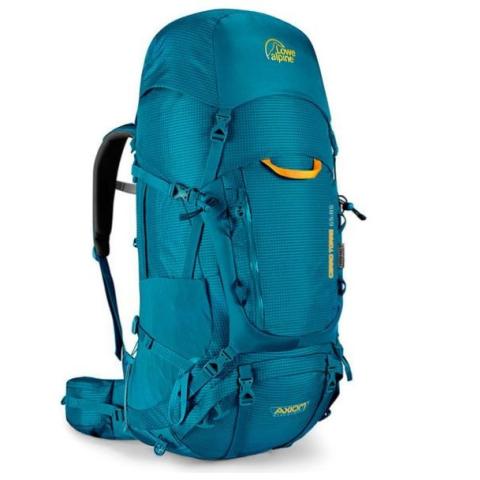
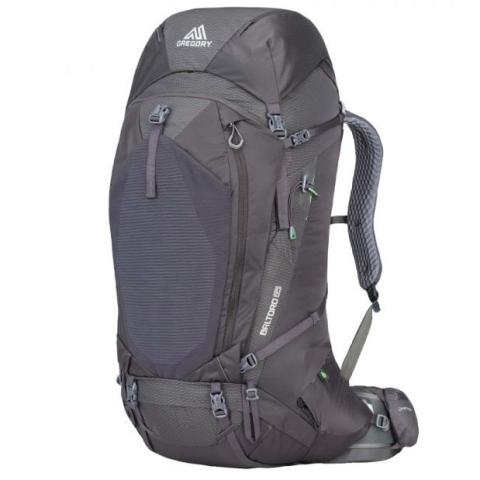
Mochila especial para trekking (mínimo 30 litros). La mochila se utilizara solo para trasladar lo que se use durante el dia. (Por ejemplo: Protector, abrigo, agua, anteojos de sol) ***
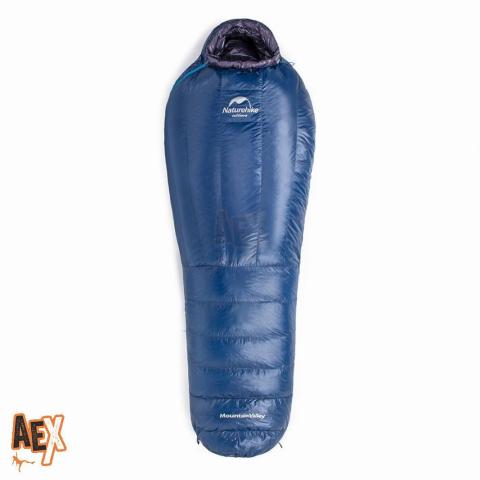
Bolsa de dormir abrigada (-10 grados confort) (ej. 800 gms. de pluma o sintético equivalente) *** (posible alquilar).
Colchoneta aislante (10 a 15mm) *** (incluido – NO LLEVAR).
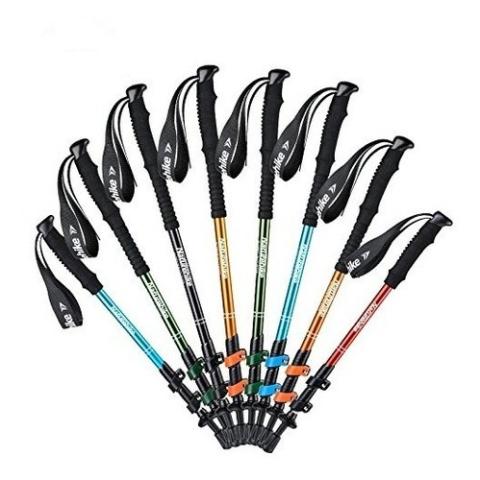
Un par de Bastones de trekking ***
Campera Impermeable (parka de montaña ultrex, goretex u otros.)***
Autorización en caso de Menores de Edad *** (permiso ante escribano público o ante las autoridades que correspondan, según el lugar de tu domicilio)
INDUMENTARIA
1 botas de trekking (en condiciones).
1 segundo calzado comodo, para estar en el campamento (pueden ser sandalias, alpargatas o zapatillas livianas).
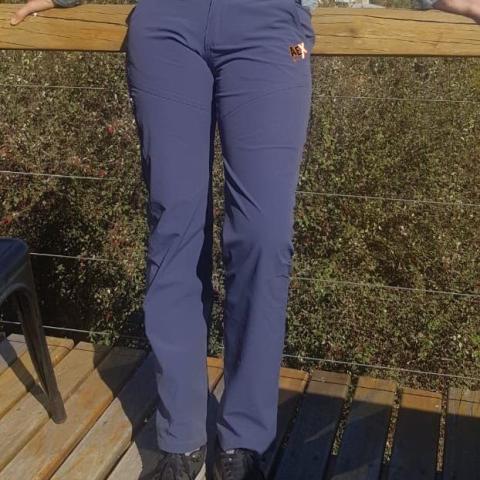
1 Pantalón liviano de trekking.
1 pantalón largo interior o calza.
Mudas de ropa interior.
Medias varias (recomendado: 3 pares).
2 Remeras sinteticas manga corta.
1 Remera sintetica manga larga.
2 Remeras de algodon (para dormir y estar comodos en los campamentos).
2 abrigos (buzo de polar, ó pulover de lana, Buzo polar 100, Buzo polar 200)
Campera o chaleco de duvet (opcional).
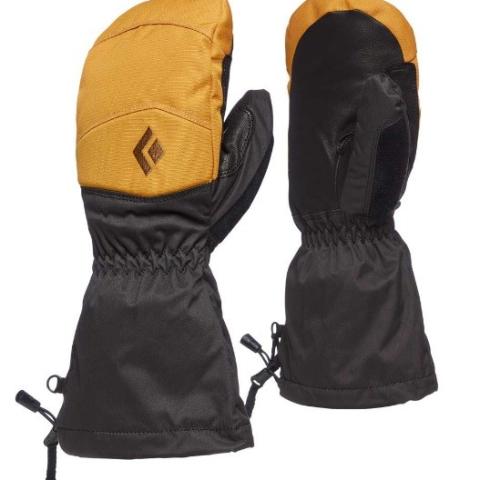
Guantes de abrigo. ***
Gorro de abrigo (polar).
Gorra para sol (con solapas).
Malla y toalla.
ELEMENTOS PERSONALES
Pasaporte o DNI.
Seguro médico, obra social.
Ficha médica y personal completada, autorización.
Seguro de asistencia al viajero.*** OBLIGATORIO.
SALUD & HIGIENE
Papel higiénico. Pañuelos. Toallitas humedas.
Pantalla Solar (no menos de factor 45).
Repelente para insectos.
Jabón, shampoo (chico) y toalla pequeña.
VARIOS
Linterna FRONTAL con baterías (baterías de repuesto).
Lentes de Sol. ***
Recipientes para agua para 2 litros como mínimo (puede ser botella plástica).
Bolsas para proteger de la lluvia todo lo que va en las mochila.
OPCIONALES, no obligatorio (ver espacio y peso)
Equipo de mate (Mate, bombilla, yerba y termo).
Libro, Libreta, diario de viaje, lápiz, lapicera.
Equipo fotografico/video.
Juegos; naipes, dados, etc
Kit de reparacion (Cortaplumas, silvato, encendedor, cinta ductape).
Una aventura inolvidable de 5 dias por los viejos caminos Incas
Ver galería completa
4.8
147 reseñas en Google
LD
Luciana Durante
Fui a Tres Picos con Mati y Fer de AEX. Todo sucedió como estaba organizado. Tanto los guías como Euge estuvieron disponibles desde el día 1 de la reserva para evacuar todas nuestras dudas y llegar de la mejor manera al trekking. Súper recomendable viajar con AEX.
MC
Maxi Cuska
Espectacular todo! el recorrido Calilegua-Tilcara, los paisajes, la atención y dedicación de los guiás. Lean y Gusti una masa!! comimos excelente, mucha magia de Gustavo en la cocina y los lugareños que nos recibieron de primera. El grupo que toco también toda la onda!! La pasamos genial en todo momento, el hospedaje de ultima noche un lujo. Recomiendo fuerte!!
MM
Mariano Marchioni
Excelente servicio de principio a fin, te ayudan y acompañan en todo el proceso de preparación para tu salida y tienen los mejores guías, por servicio y calidad humana
Tenes dudas?
Si tenes dudas sobre esta aventura, esperamos tu consulta!
Respuesta más rápida por WhatsApp
Para una respuesta inmediata, contactanos por WhatsApp
54 9 1170623800
Trekking a Machu Picchu - Nevado de Salkantay - Cusco - Peru
¡Mensaje Enviado!
Te responderemos a la brevedad, así te preparás para tu próxima gran aventura 🏔️