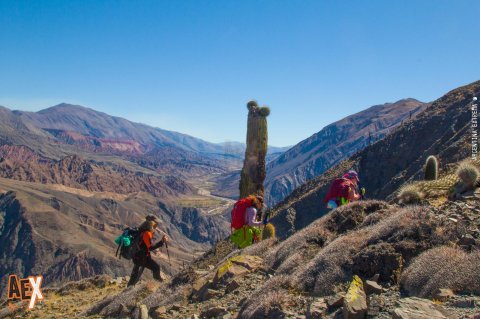
Trail running consists of running, competitively or recreationally, along trails, footpaths and rural roads, crossing different terrains such as hills, forests, and rivers. This is where its main difference from track running lies, since we're not only covering a distance, but while doing so we'll cross different kinds of obstacles and encounter slopes and elevation changes along the route (it sounds more fun because it actually is).
As you can imagine, different types of running call for different types of footwear. Over the years, shoe brands have moved into trail models, and the range of options keeps growing. But any proper trail shoe should have certain features, regardless of brand or model:
Sole: unlike footwear used for running on a track or street, trail shoe soles have specific designs to improve grip and traction on unstable terrain such as rocky ground, mud, or vegetated slopes. This is achieved with deeper grooves or lugs on the soles. In other words, the more irregular the sole, the greater the grip and traction it will provide.
Protection: Trail-specific shoes have panels and reinforcements both on the sole and in their upper structure to protect the foot from thorns, rocks and branches that could injure you during the run.

As for general gear, when passing through remote areas, or areas with no access to water, with possible changes in weather, it's recommended to carry a small backpack (there are specific ones for this activity, with a structure similar to a vest) with basic items for warmth, hydration, personal protection (sunglasses, sunscreen) and communication if necessary. All of this should be lightweight, since running with excessive weight on your back is bad for your health.
Finally, here are some tips for practicing this discipline:
- Start gradually: the transition from flat terrain to uneven terrain should be gradual and progressive. This allows you to adapt your technique and strengthen your ankles, preventing injuries to them.
- Gear: it should match the distance to be covered, the prevailing weather, and the area to be crossed. And we should prioritize lightweight items. Depending on what we plan to do, we'll need to carry water, energy supplies, warm clothing, a flashlight, and a trekking pole if necessary.
- Going uphill, shorten your stride, and going downhill, don't overextend your stride; let yourself go but always keep your speed under control.
- Better to go with company: For safety, and above all because it makes the route more enjoyable. There are even team races.
- Stop: Not only to rest, but also to take in the scenery — this is one of the biggest draws of trail running.
- Prioritize safety: the terrain presents greater difficulties, and the areas we cross are hard to access, so the priority should always be safety, not speed.