In the mountains —and in high-performance training— we tend to focus all our energy on physical gear, nutrition and training load. However, there's a decisive factor we often overlook: sleep quality.
No matter how physically prepared you are or how far you want to go; if your rest falls short, your performance collapses. Sleep isn't just about "pausing" the day: it's the biological process where the body repairs itself and prepares for the next challenge.
Above 4000 masl, sleeping well becomes a physiological challenge. The lower partial pressure of oxygen produces a very common phenomenon known as Cheyne-Stokes Respiration (periodic apneas where you stop breathing for a few seconds and then wake up suddenly with a feeling of suffocation). It's a normal part of acclimatization, but it interrupts deep sleep.
1. Acclimatization Strategy and Ascent Profile
-
"Climb high, sleep low": Try to gain altitude during the day's hike to trigger acclimatization, then descend to sleep at a somewhat more sheltered camp.
-
Gradual sleeping altitude: Above 3000 masl, ideally you shouldn't increase your sleeping altitude by more than 300 to 500 meters per night, and you should include a full rest day for every 1000 meters gained.
2. Controlling the Microclimate in the Tent
-
Elevate your head: Don't lie completely flat. Put some clothing or your backpack under your torso and head to raise them about 15° to 20°. This helps keep your airway clear and reduces nighttime apneas.
-
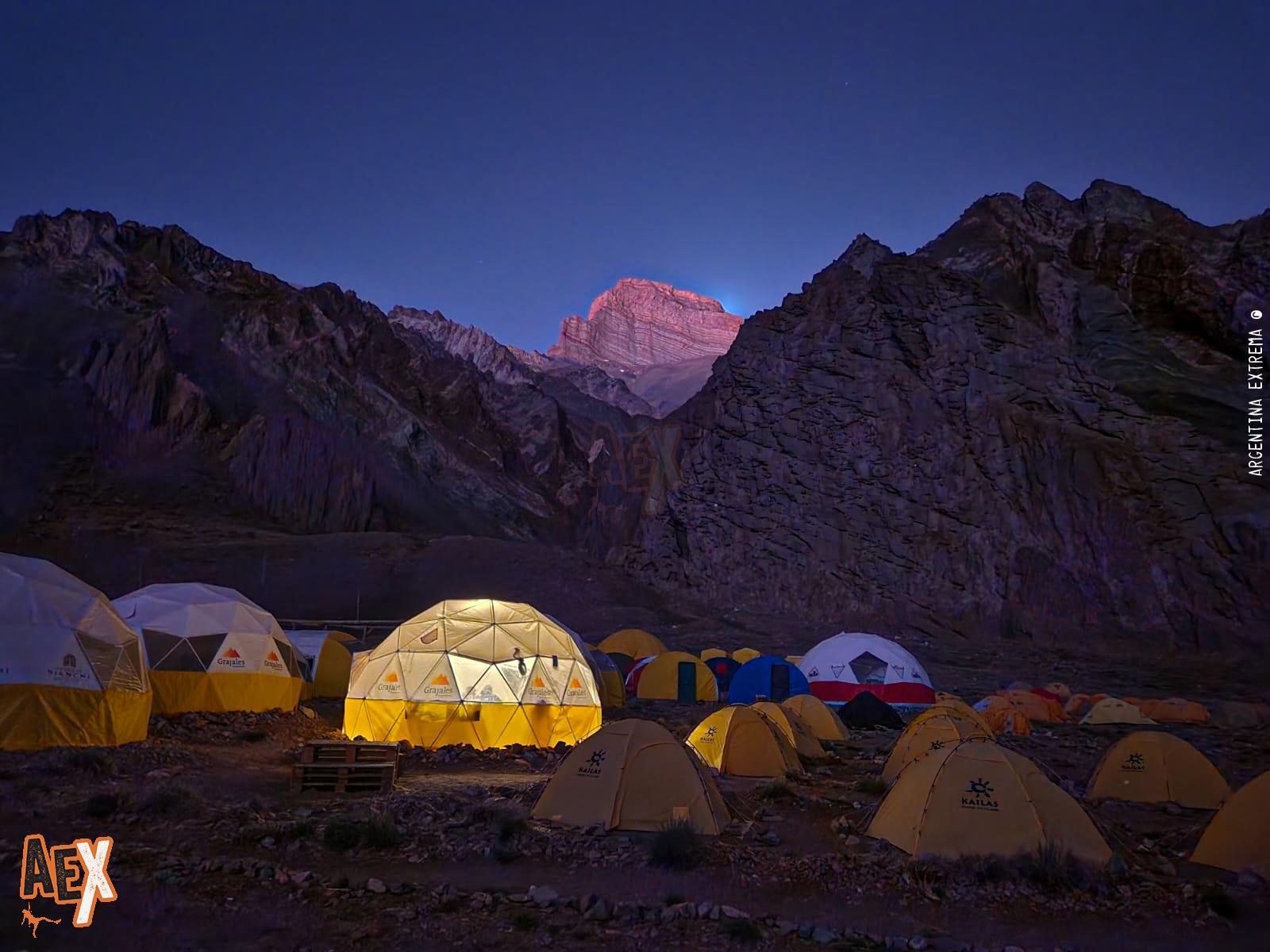
Constant ventilation: Never fully close the tent vents to "keep the heat in." Stale air loaded with CO2 will make your headache worse when you wake up.
-
Watch out for moisture: Your breath condenses quickly and freezes your sleeping bag. Use a good insulating pad (high R-value, preferably > 4.5) to cut off the transfer of cold from the ground.
1. Maximize Your Athletic Performance
A night of deep, restorative sleep is key to optimizing strength, endurance and reaction speed throughout the day. A well-rested body synthesizes energy better and responds more precisely with every step.
2. Appetite Control and Hormonal Regulation
During rest, the hormones responsible for hunger and satiety (such as ghrelin and leptin) are balanced out. Sleeping well prevents spikes in food cravings and allows you to maintain efficient nutrition for your training or expeditions.
3. Preventing Migraines and Headaches
Science has shown a direct relationship between chronic migraines or tension headaches and poor sleep patterns. Optimizing your hours of sleep drastically reduces the risk of these episodes that hurt your performance.
4. Blood Sugar (Glucose) Control
Sleep deprivation alters insulin sensitivity, causing unwanted blood sugar spikes. Proper rest is essential for maintaining stable energy levels throughout the day.
5. A Shield Against Obesity and a Sedentary Lifestyle
Accumulated fatigue impairs decision-making and lowers motivation, opening the door to a sedentary lifestyle and poor eating habits. Getting enough sleep keeps your metabolism active and your mind clear so you can keep moving.
6. Actively Reducing Stress and Mental Fatigue
Quality sleep calms an overstimulated nervous system and lowers cortisol levels (the stress hormone). A relaxed body and a clear mind are essential for making sound decisions in moments of high demand.
In short: If you want to perform at your best, prevent injuries and go further, don't neglect your night's sleep. Training starts in bed.