Mountains are beautiful, imposing, fearsome, majestic… Older than time, they appear out of nowhere and stand proud, invincible; knowing that they rule over the lands touched by sunlight and that they are feared and adored by the tiny beings who use them as shelter. Mountains have that aura of mystery that proves so attractive to mere mortals. For them, time and space don't exist, only the world at their feet.
Throughout history, many brave people have managed, or at least tried, to be the first to crown the world's highest summits, to watch creation from the heights of the gods and to feel how insignificant earthly problems become when you look at the world from above the clouds. The thirst for discovery and for being first at something seem to be two of the great motivations behind the footsteps of these climbers and mountaineers. The reward for so much effort? The natural beauty that can only be appreciated from the heights, the satisfaction of having pushed past the limits of the human being through effort and hard work, and the memory of having lived an adventure designed by Gaia herself, Mother Earth, only for those willing to risk everything.
Below, a summary of the planet's highest summits and who conquered them for the first time:
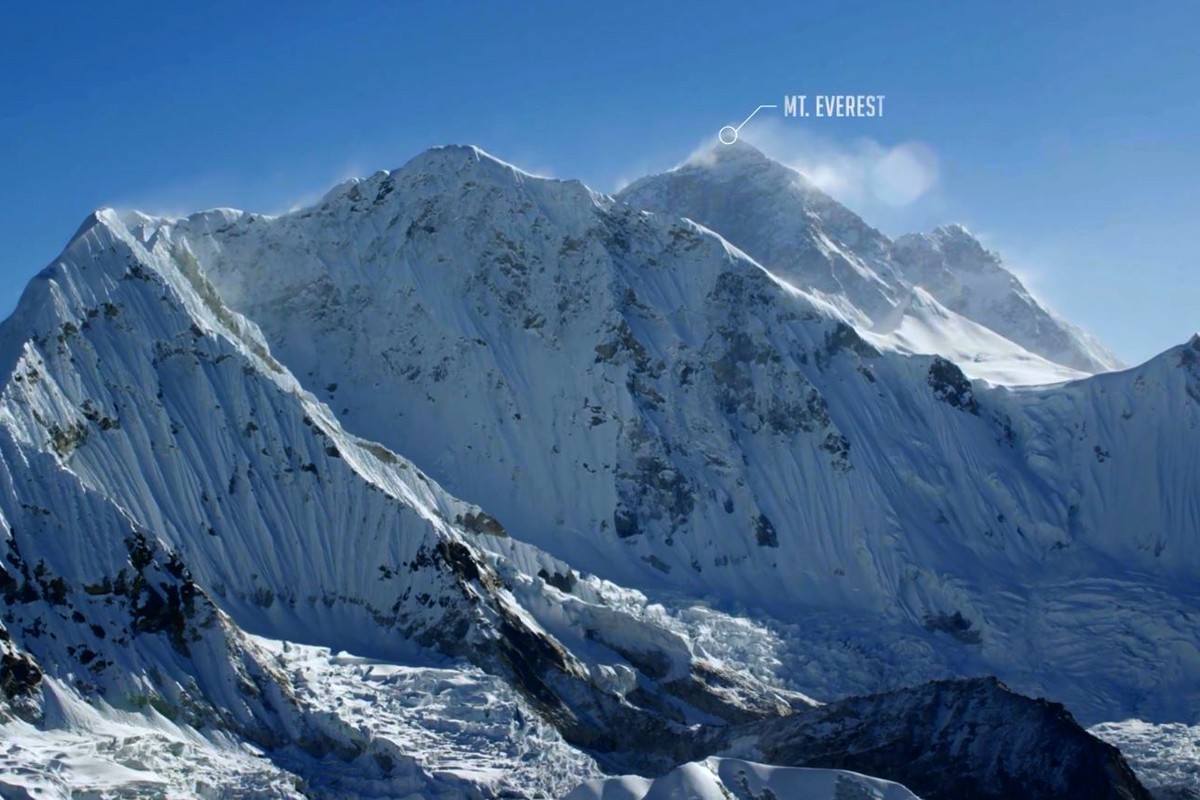
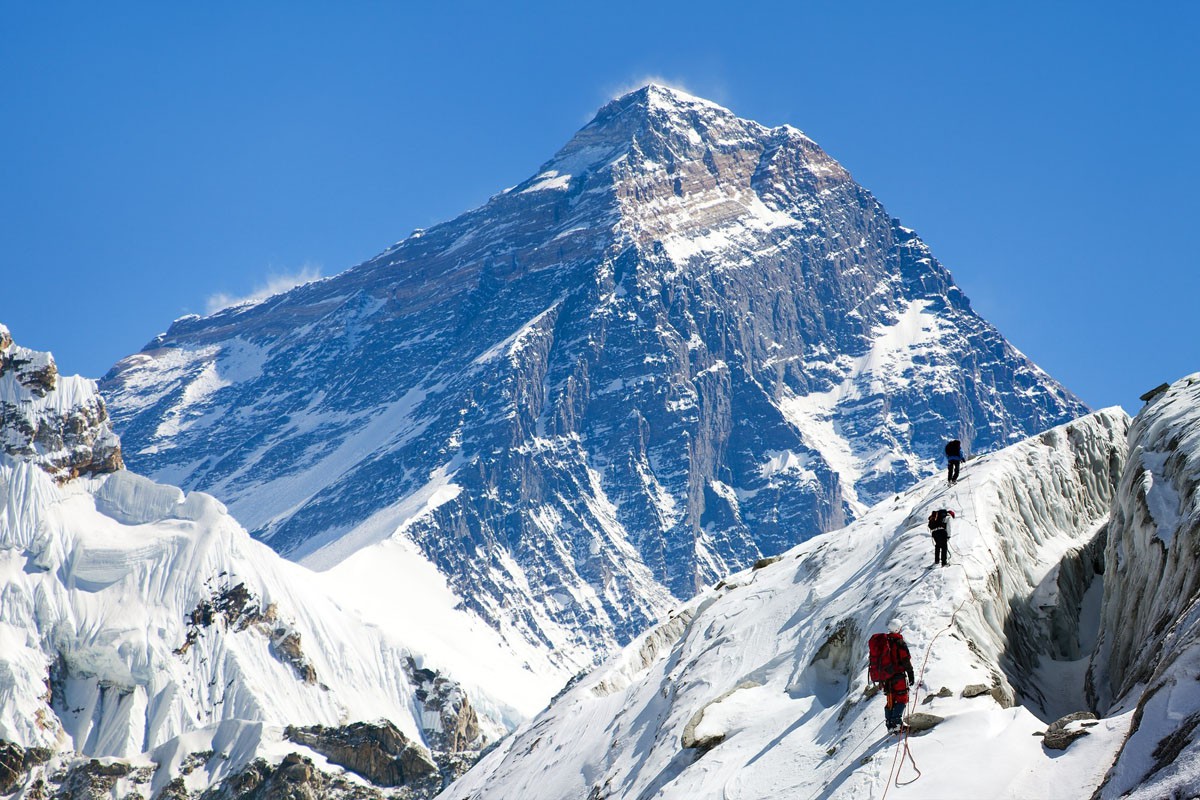
1st Everest. The world's highest summit, at 8,848 masl, was reached on May 29, 1953 by two members of a British expedition, New Zealander Sir Edmund Hillary and Nepali Sherpa Tenzing Norgay. The expedition was led by Colonel Sir John Hunt. Based on the number of fatal accidents, it ranks 10th in terms of danger.
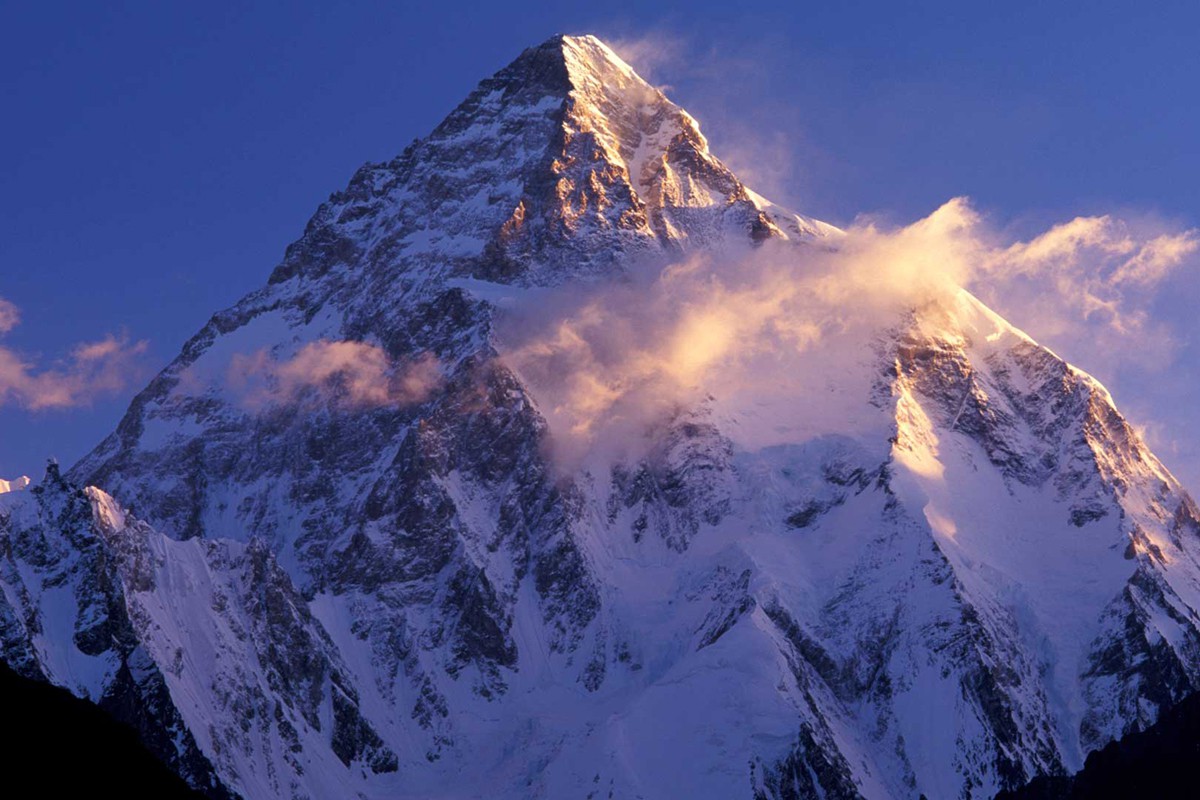
2nd K2. This summit, also called Godwin Austen, stands at 8,611 masl. Between 1892 and 1954, eight expeditions were made to K2. On July 31, 1954, Achille Compagnoni and Lino Lacedelli, two members of the Italian expedition led by Ardito Desio, became the first to successfully reach the summit of this mountain. based on the number of fatal accidents, it ranks 3rd among the most dangerous summits.
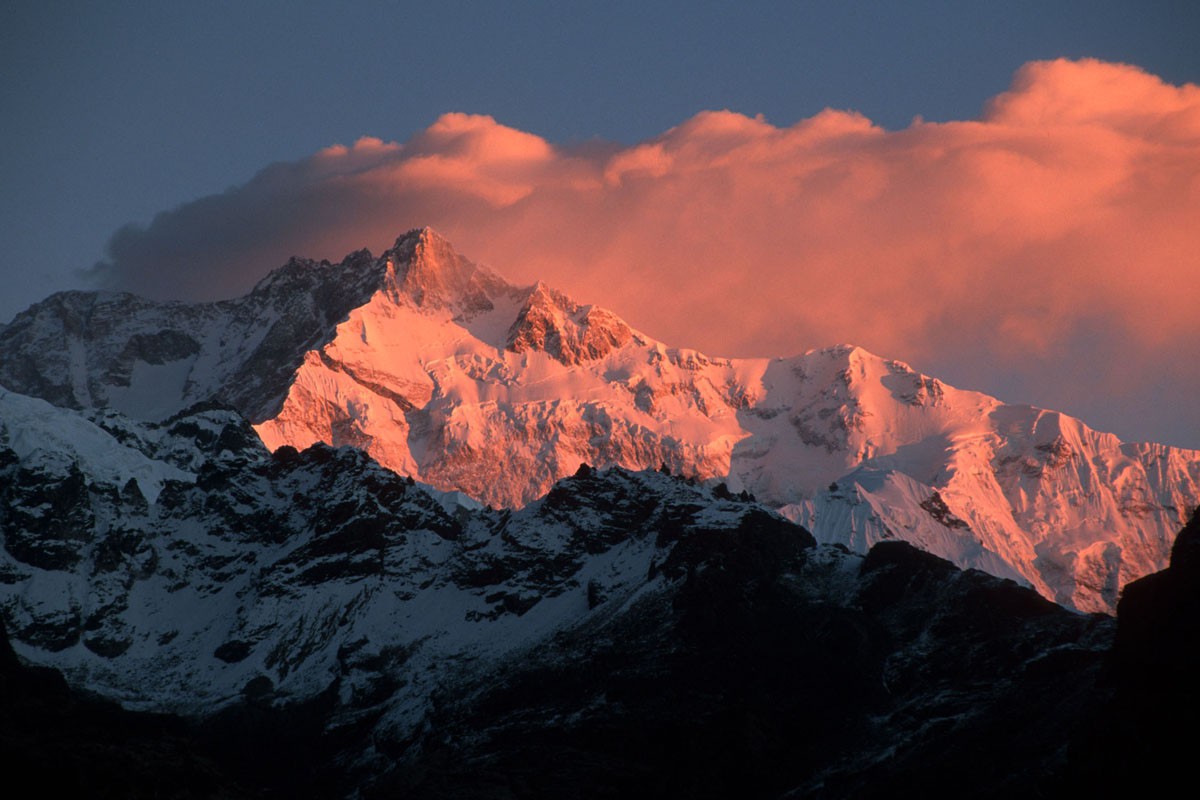
3rd Kanchenjunga or Kangchendzönga. It is the third-highest mountain in the world; the tallest of its five peaks reaches 8,598 m in altitude. The summit was finally reached on May 25, 1955 by a British expedition. George Band and Joe Brown were the mountaineers guided by the master Welsh climber Charles Evans, one of the members of the expedition that had conquered Mount Everest in 1953. It ranks 5th in the risk involved in climbing it.
4th Lhotse. On the border between Tibet and Nepal. At 8,516 masl, it was first climbed by a Swiss expedition, on May 18, 1956, by Fritz Luchsinger and Ernst Reiss. 12th place on the danger list.
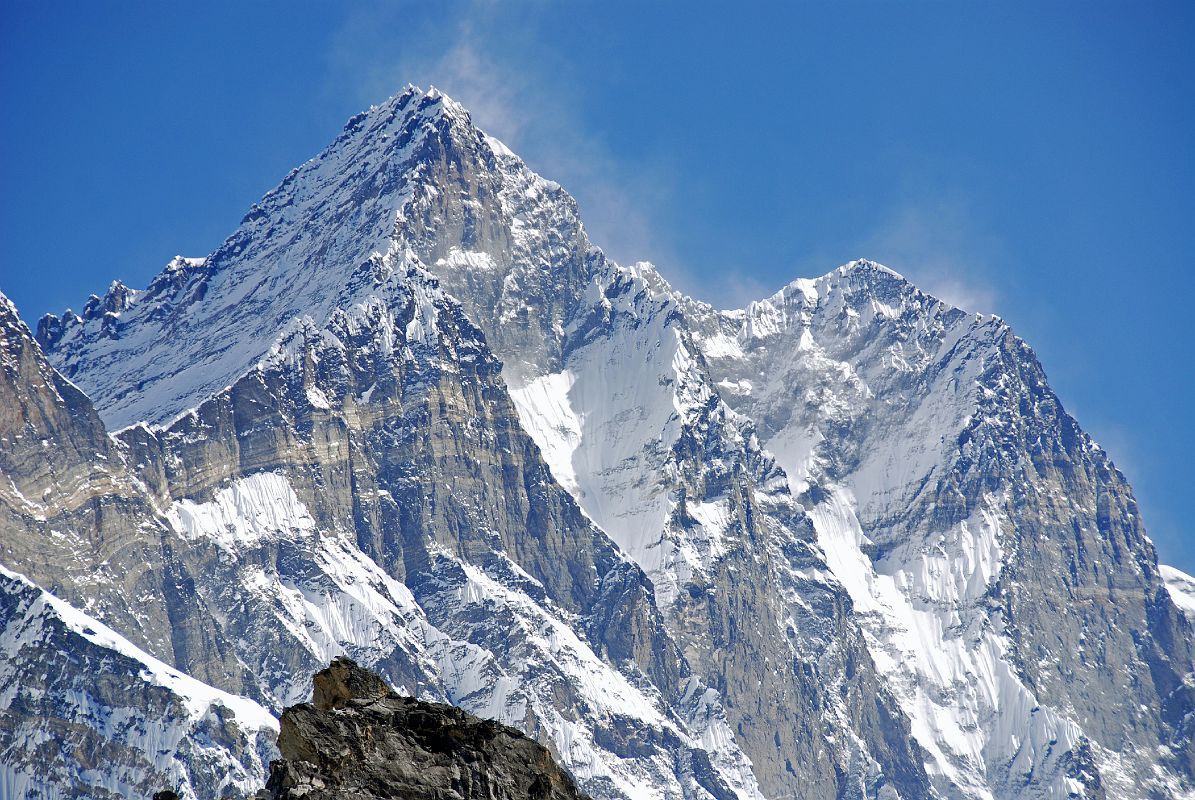
5th Makalu. Located in the Himalayan range in northeastern Nepal. With an altitude of 8,481 masl, it is the fifth-highest mountain in the world, and it was first climbed on May 15, 1955 by a French expedition, Jean Couzy and Lionel Terray. 7th place in danger ranking.
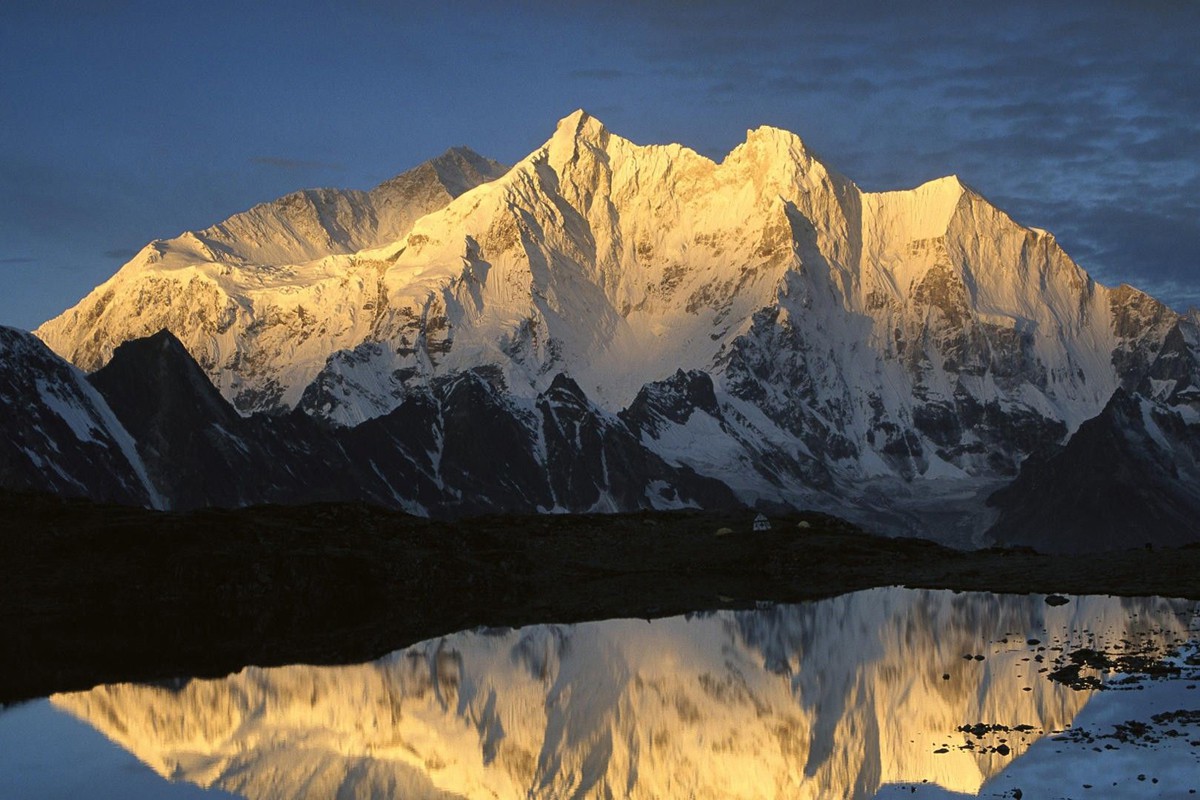
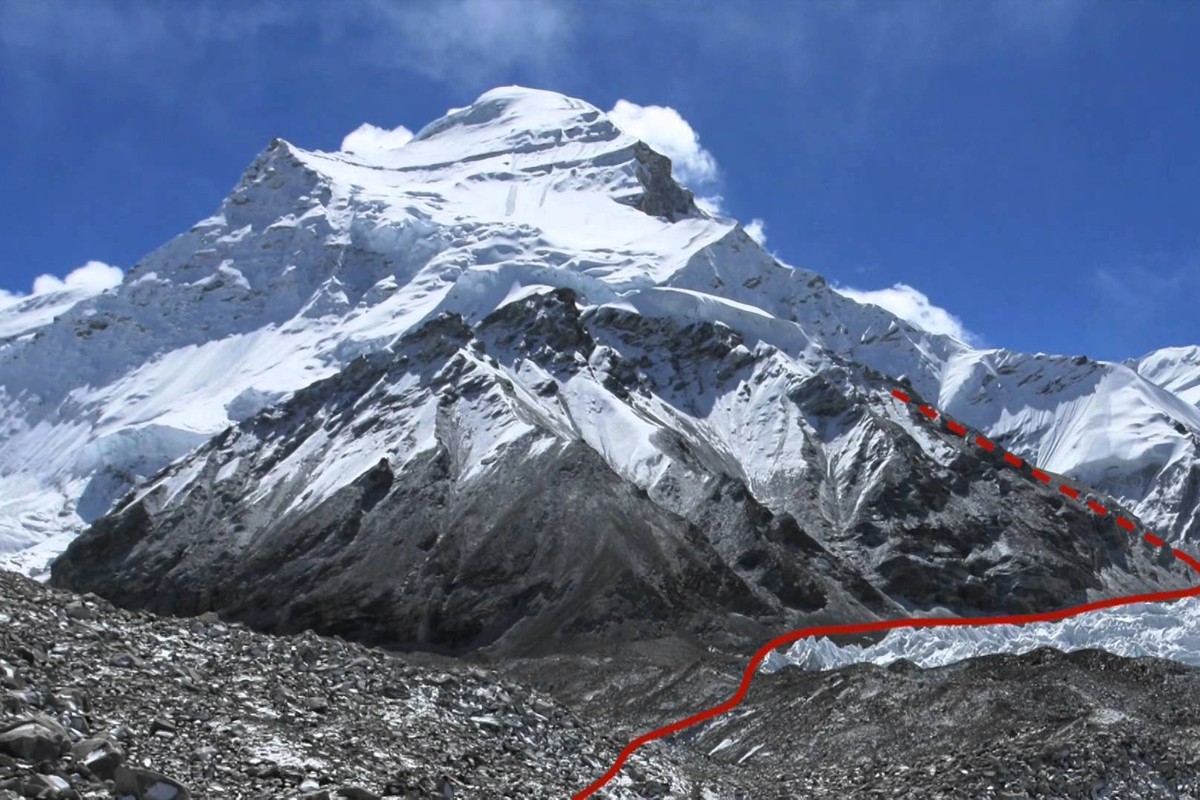
6th Cho Oyu. Located in the Himalayan range. With an altitude of 8,201 masl, it stretches between Nepal and Tibet, northwest of Everest. Like other great Himalayan summits, it was conquered in the 1950s (called by climbers the "decade of successes"), specifically on October 19, 1954, by an Austrian expedition. based on the number of fatal accidents, it ranks 14th
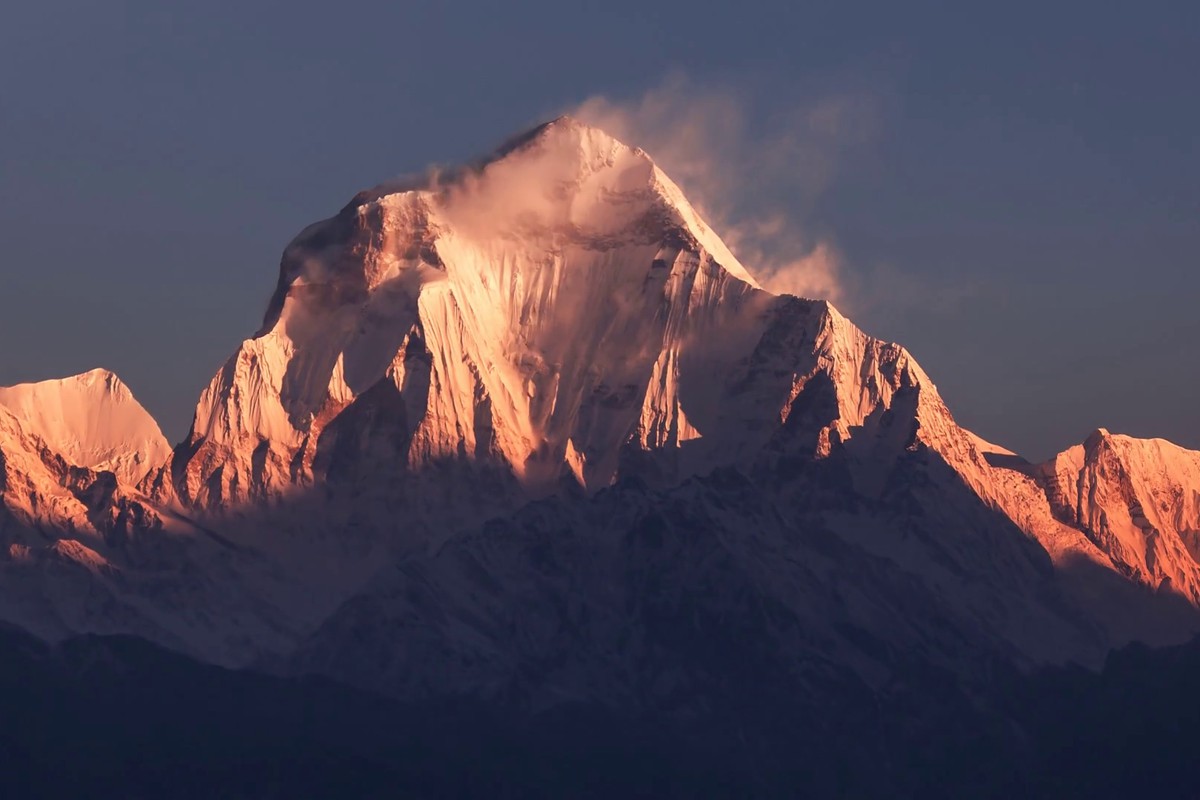
7th Dhaulagiri, Northern Nepal. It is another one of the world's highest peaks (8,172 masl). On May 13, 1960, a Swiss expedition led by Max Eiselin climbed it for the first time. The massif's three subsidiary peaks exceed 7,620 m in height. Its name, derived from Sanskrit, means "white mountain." 6th place.
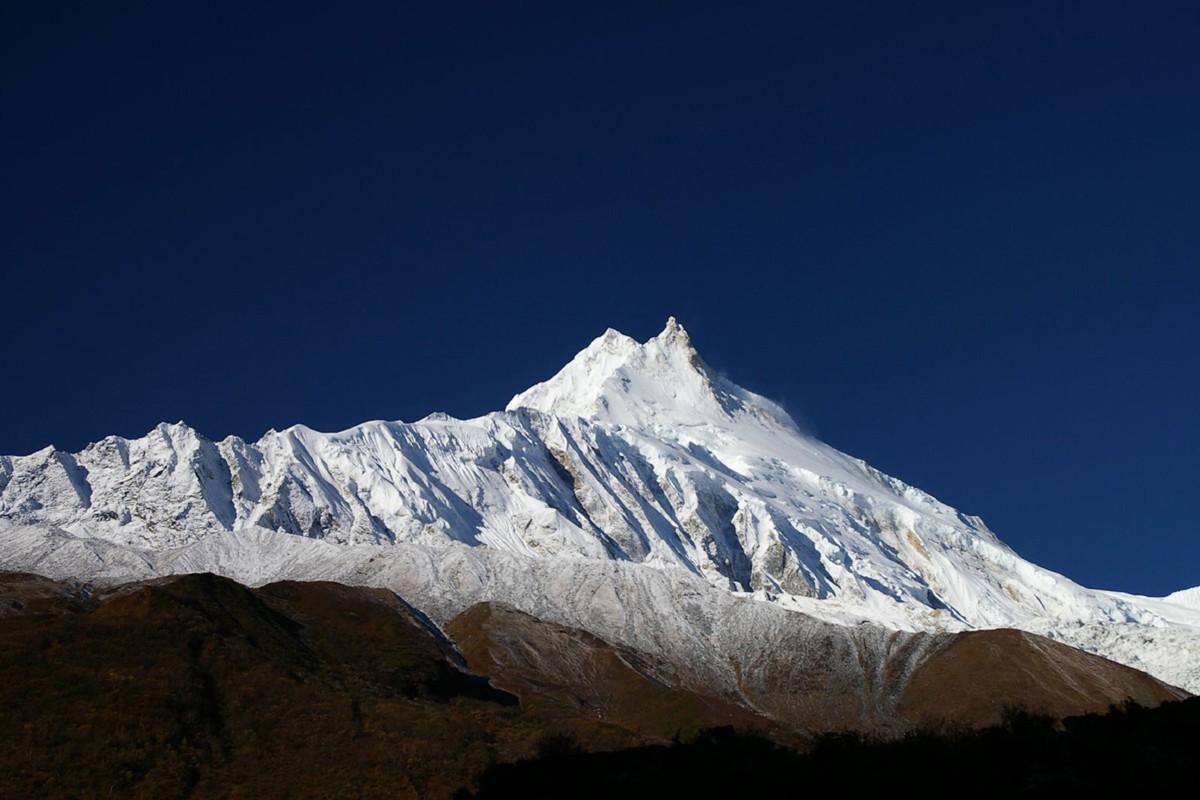
8th Manaslu. Nepalese sector of the Himalayas, located 61 km north of the city of Gurja. With an altitude of 8,163 masl, it is one of the "eight-thousanders" (peaks exceeding 8,000 m in altitude) in this sector. For a long time it was considered an unreachable goal by climbers, until two Japanese expeditions reached its snowy summit on May 9, 1956, via Imanishi and Norbu. 4th place.
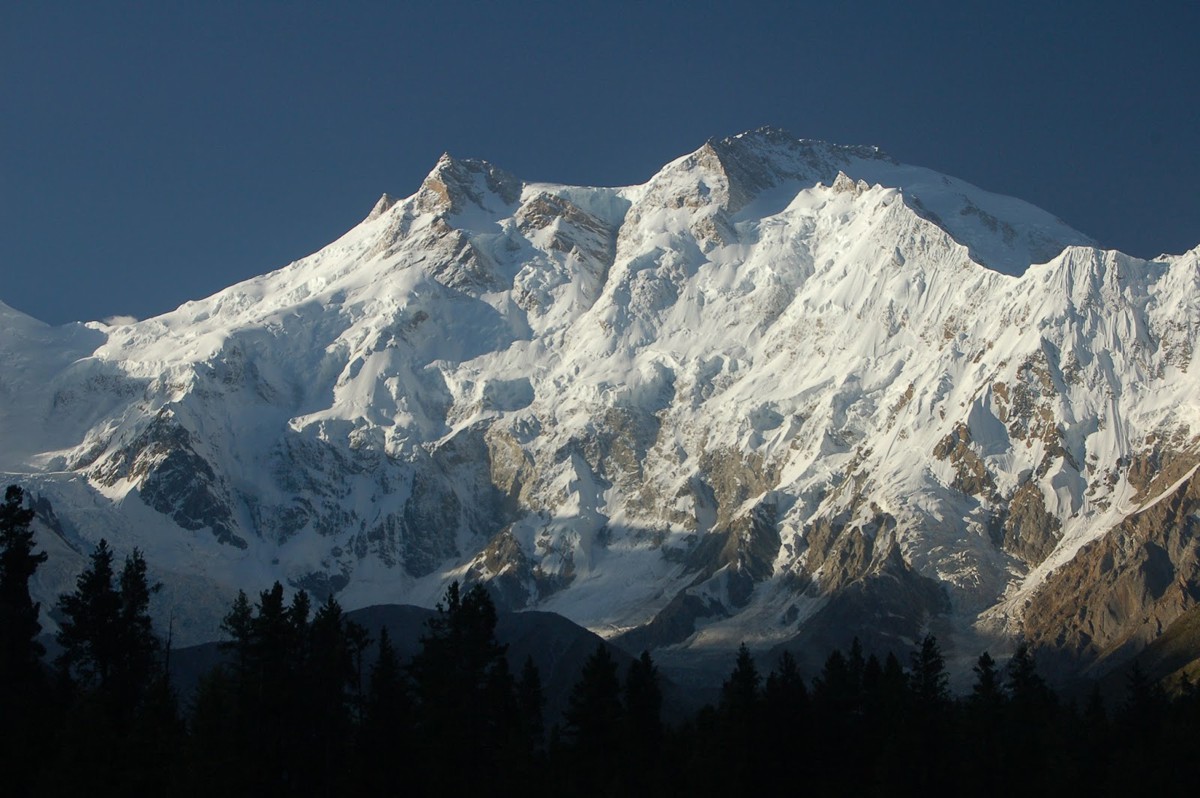
9th Nanga Parbat or Diamir, Northeastern Pakistan. It is part of the Himalayas and is located in the province of Azad Kashmir. Nanga Parbat, one of the world's highest peaks at 8,125 masl, is considered one of the most dangerous in the Himalayas due to the many accidents suffered by its climbers. On July 3, 1953, a German-Austrian expedition with Hermann Buhl climbed the mountain for the first time, achieving it solo. 2nd place in terms of danger.
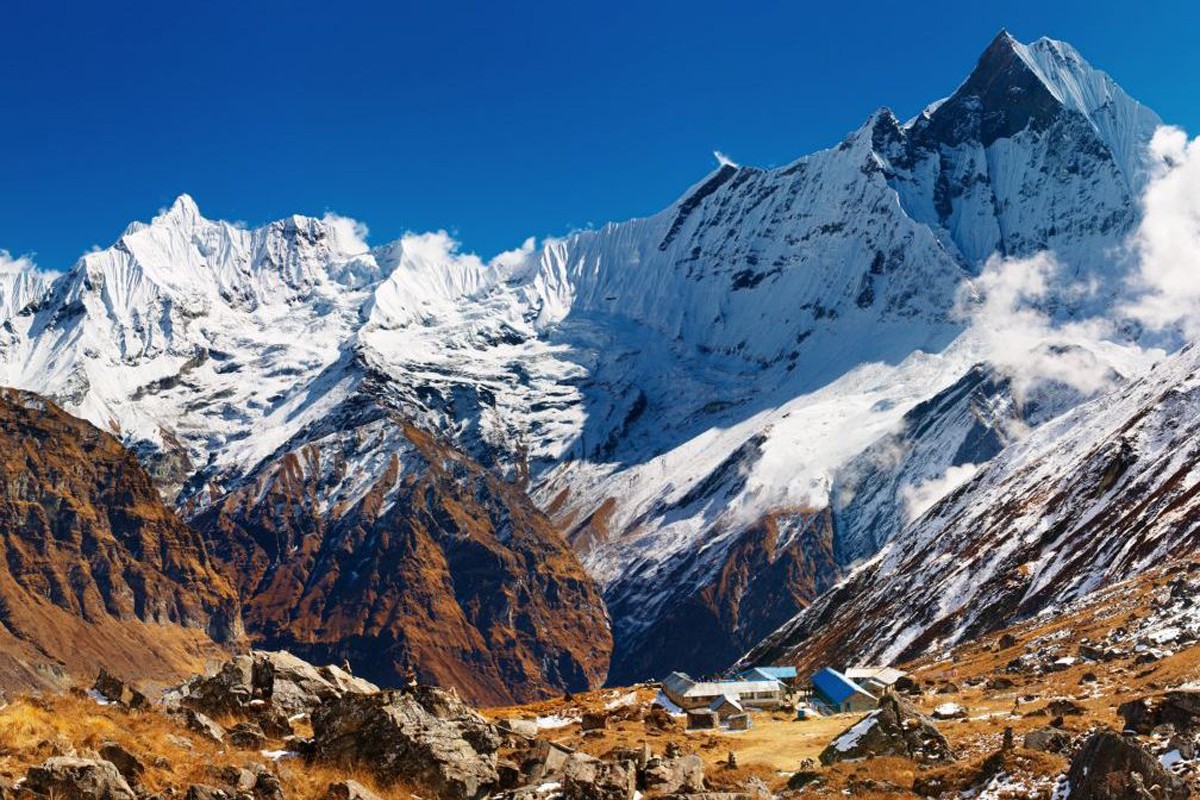
10th Annapurna. The 56-km-long massif culminates in two peaks: Annapurna I, at 8,078 masl; and Annapurna II, at 7,937 m in altitude. The summit of Annapurna I was first reached on June 3, 1950, by an expedition that included French climbers Maurice Herzog and Louis Lachenal. It was the first time a summit over eight thousand meters had been reached. 1st place in danger.
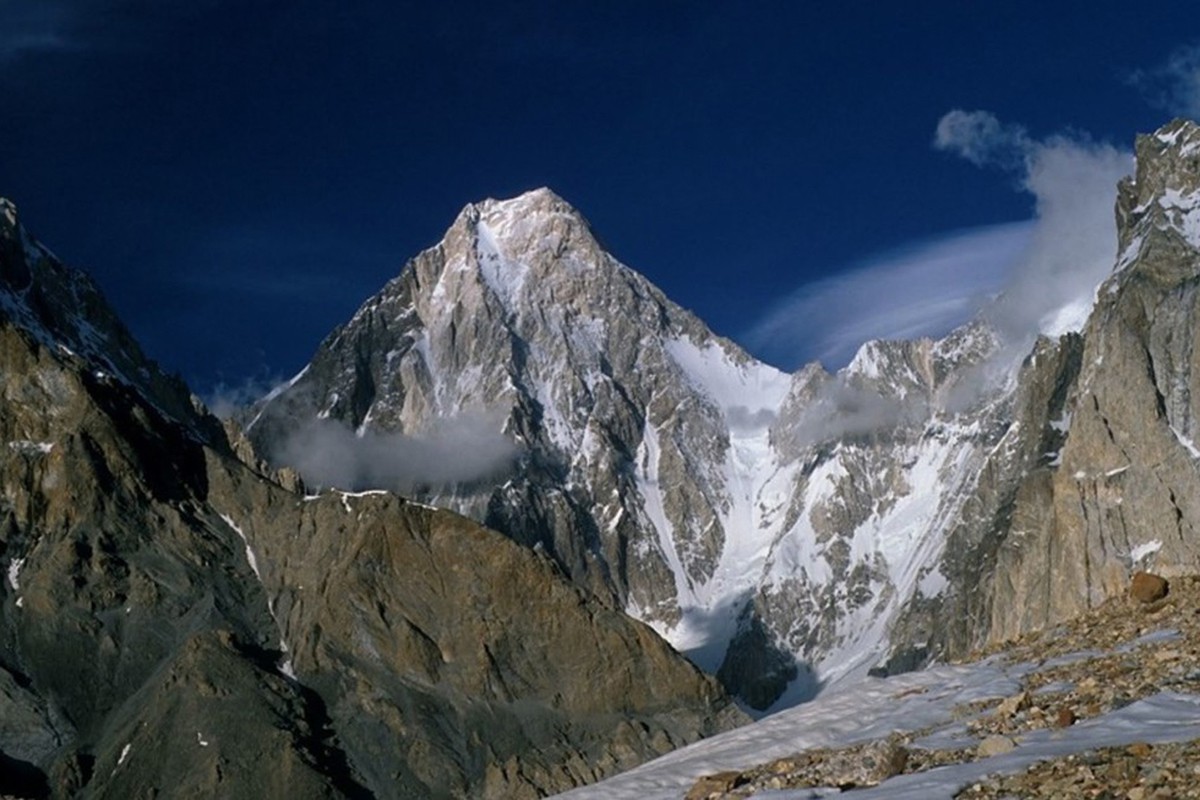
11th Gasherbrum I. Name given to four peaks located along Pakistan's northern border with China. The gigantic peaks Gasherbrum I, II, III and IV are part of the Karakoram range in Central Asia. Gasherbrum I, the tallest of these peaks at 8,086 masl, is located southeast of K2 and was first climbed on July 5, 1958 by an American expedition led by Nicholas Clinch and Peter Schoening. 8th place.
12th Broad Peak. On the border between Tibet and Nepal, at 8,047 masl, it was climbed on June 9, 1957 by Hermann Buhl, Fritz Wintersteller, Diemberger and Schmuck, an Austrian expedition. 11th place.
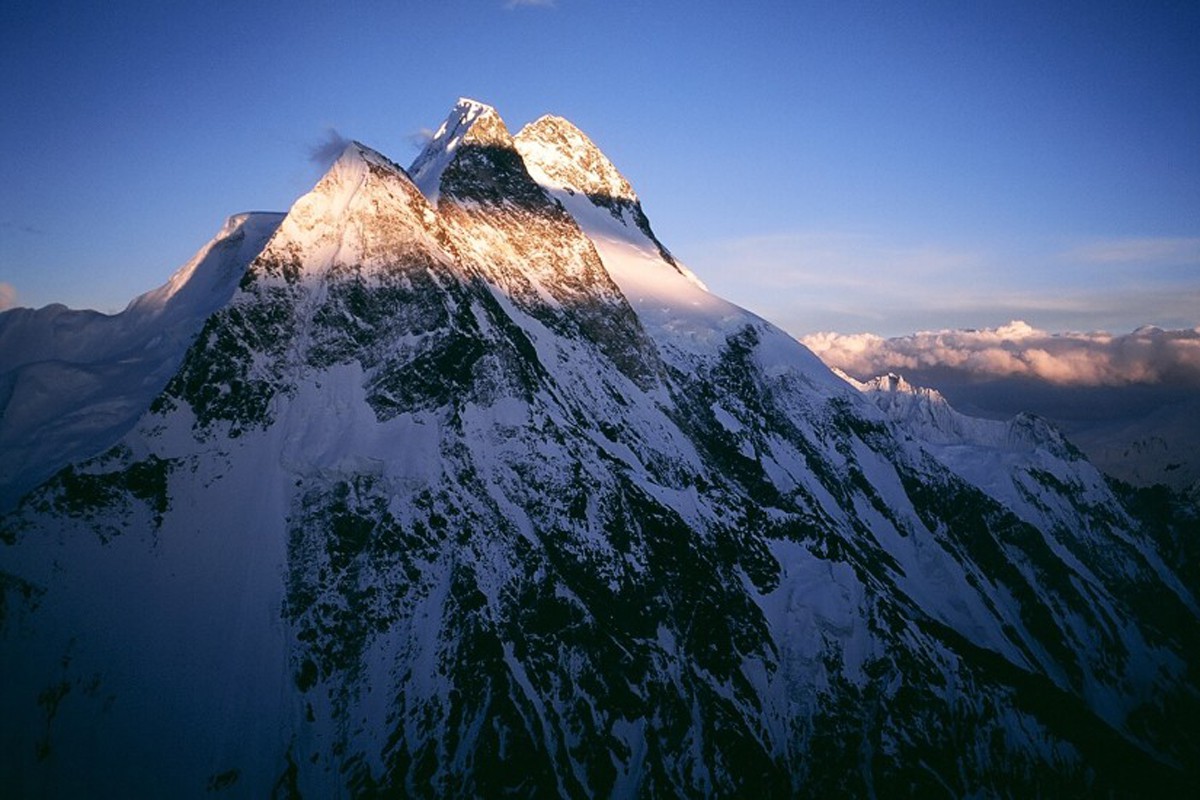
13th Gasherbrum II, at 8,035 masl, is located on the border between Tibet and Nepal. Climbed by an Austrian expedition on July 8, 1956: by Larch, Moravec and Willenpart. 13th place.
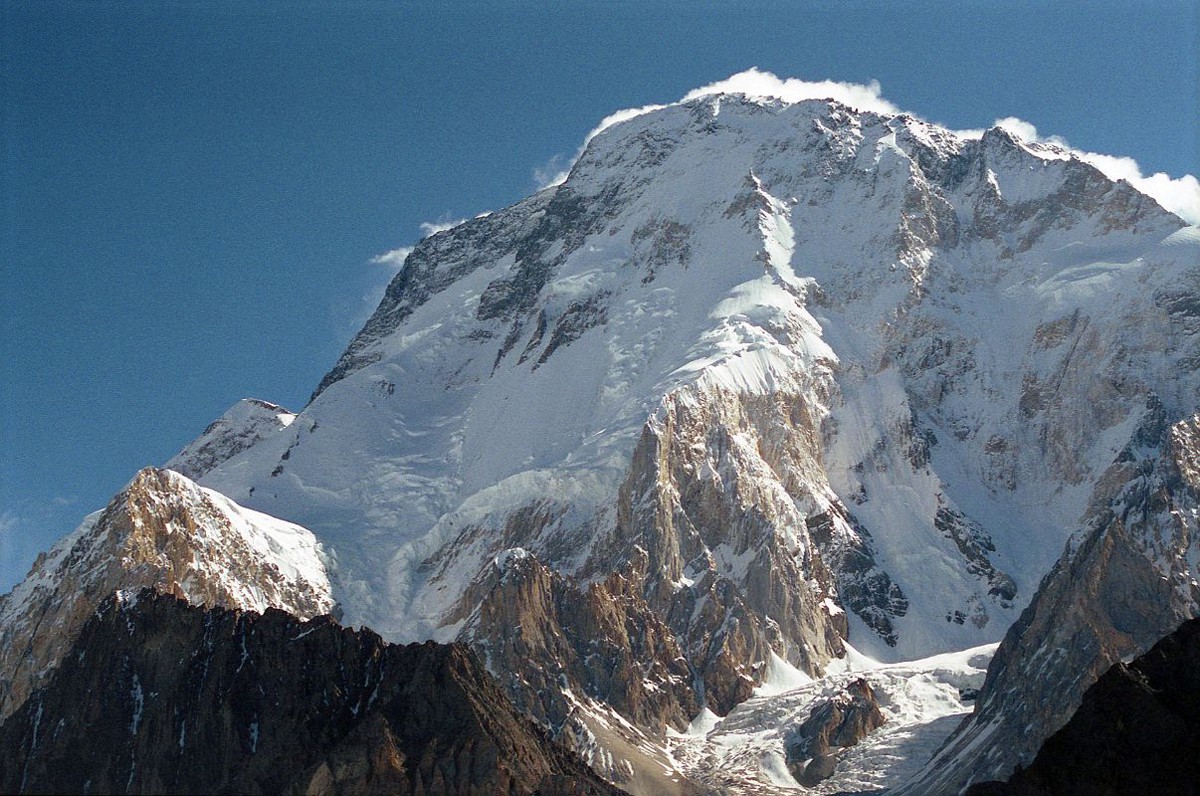
14th Shishapangma Tibet, 8,027 masl. First summited on May 2, 1964 by a Chinese expedition, Hsu Ching. 9th place in danger.
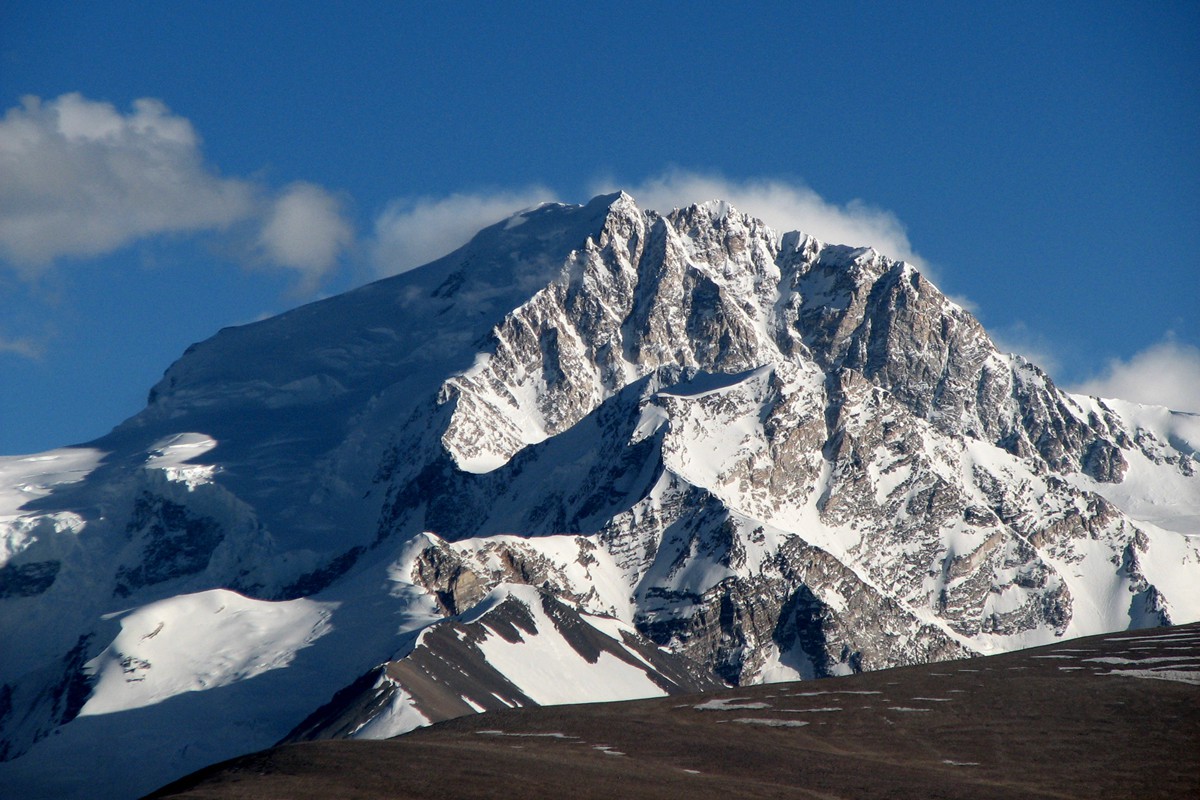
- Everest: 8848 m (China/Nepal).
- K2: 8611 m (China/Pakistan).
- Kanchenjunga: 8586 m (India/Nepal).
- Lhotse: 8516 m (China/Nepal).
- Makalu: 8463 m (China/Nepal).
- Cho Oyu: 8201 m (China/Nepal).
- Dhaulagiri: 8167 m (Nepal).
- Manaslu: 8163 m (Nepal).
- Nanga Parbat: 8125 m (Pakistan).
- Annapurna: 8098 m (Nepal).
- Gasherbrum I: 8068 m (China/Pakistan).
- Broad Peak: 8047 m (China/Pakistan).
- Gasherbrum II: 8035 m (China/Pakistan).
- Shisha Pangma: 8027 m (China).
The first person to complete the ascent of these 14 gigantic summits was the Italian mountaineer Reinhold Messner, finishing his feat, without supplemental oxygen, on October 16, 1986.
Over the course of mountaineering history, they have lifted the adventurous spirit of thousands of adventurers. They are the unreachable ones, the hardest, the highest on Earth; the ones where, if you venture up, it's all or nothing...