It's already been a few weeks since we returned from our incredible experience in the Esteros. But luckily, my mind and my camera are left with not only beautiful moments but also an incredible diversity of birds, with their colors and distinctive traits that awaken great admiration in me.
Some of the birds we saw were:
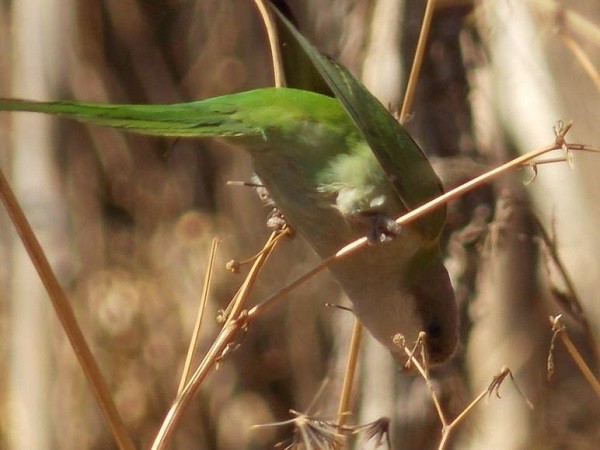
Monk Parakeet: A noisy bird. Builds enormous communal nests out of twigs in tall trees.
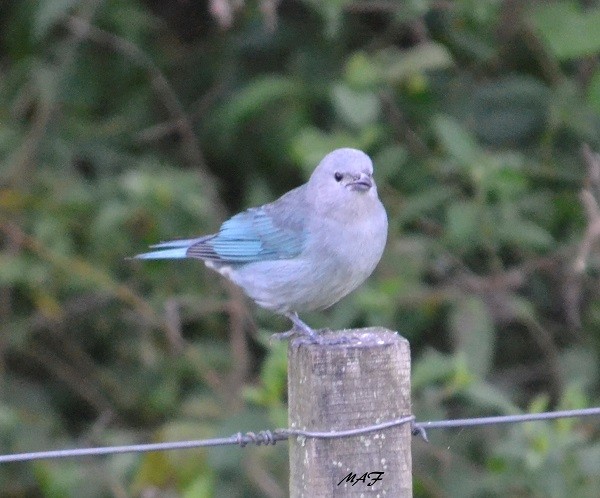
Sayaca Tanager: Trusting. Frequents forests, wooded areas and also towns
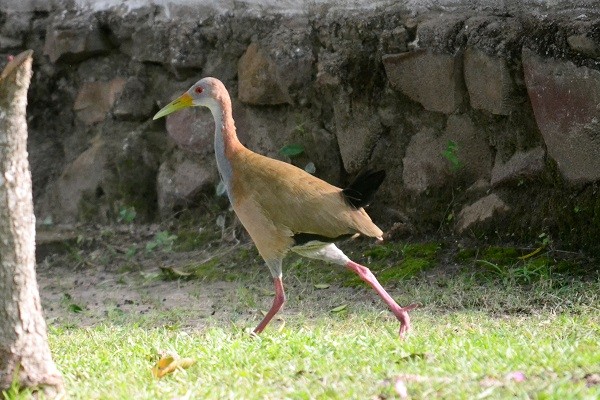
Limpkin: A walker. Often seen crossing paths. Trusting. Loud calls
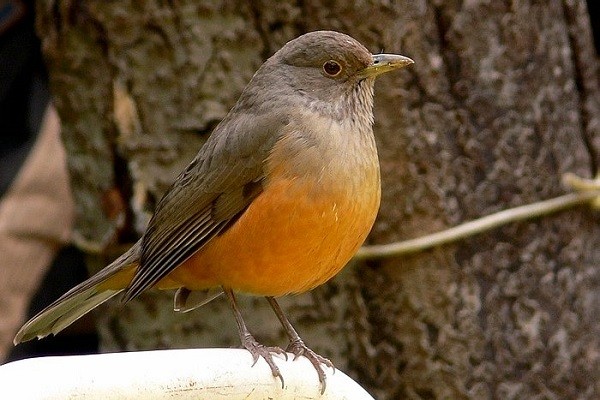
Rufous-bellied Thrush: Strong, melodic, repeated song heard even before dawn.
Red-crested Cardinal: Trusting. Seen in forests, scrublands and savannas, in pairs or groups.
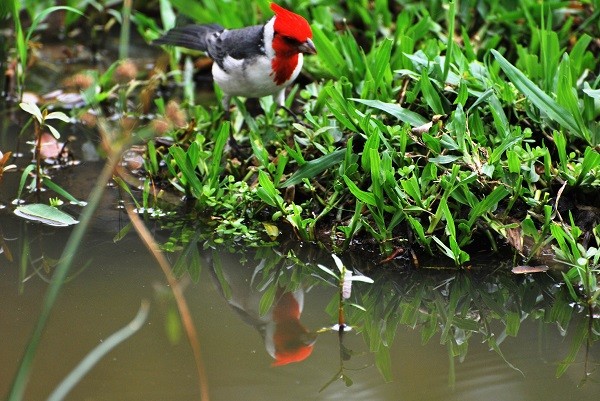
Southern Screamer: Large. Struggles to take flight. In pairs or forming large groups.
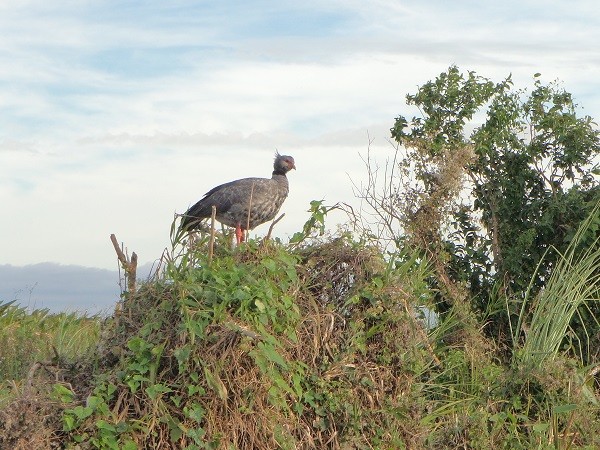
Little Spinetail: Builds a hanging nest of twigs with a false entrance.
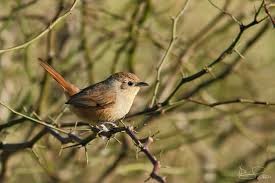
Snowy Egret: Small and generally solitary. May form groups with the Great Egret. Black bill and yellow feet.
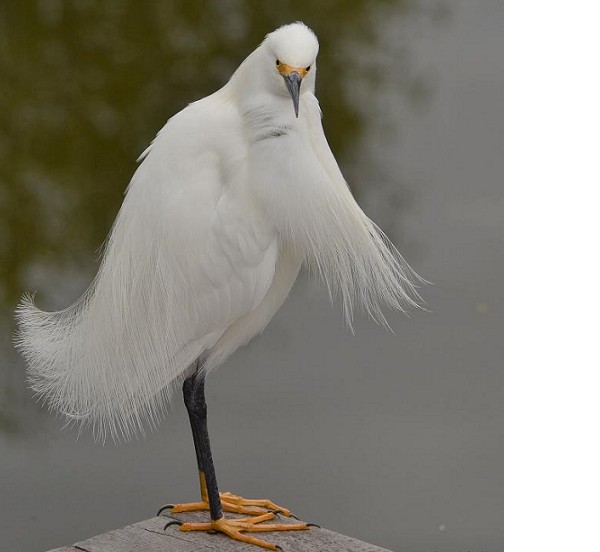
Great Egret: Large, solitary except when there is a food concentration, then forms groups. Yellow bill.
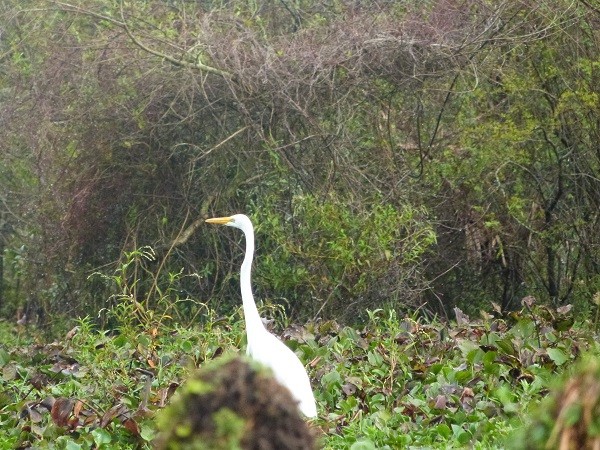
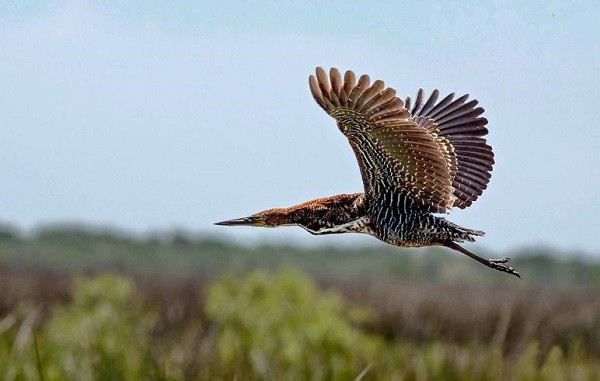
Rufescent Tiger-Heron: Solitary. Shy. Hidden among the vegetation. Moves slowly.
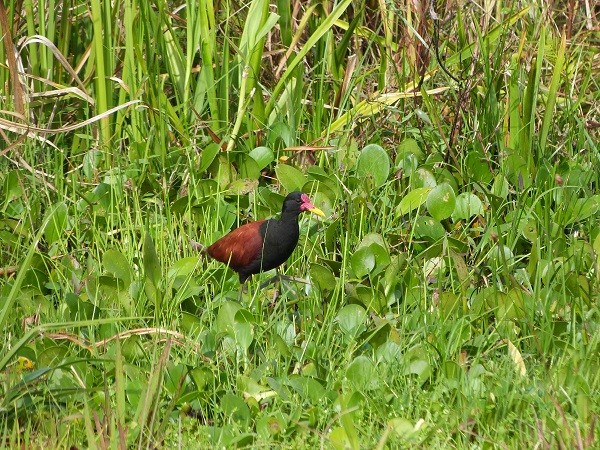
Wattled Jacana: The long toes on its feet let it walk over aquatic vegetation.
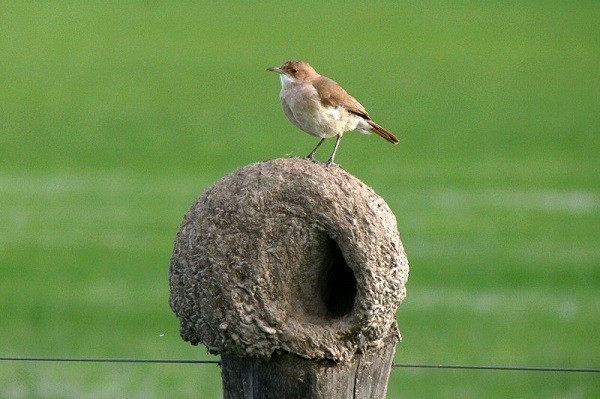
Hornero: Argentina's national bird. Builds its characteristic mud nest.
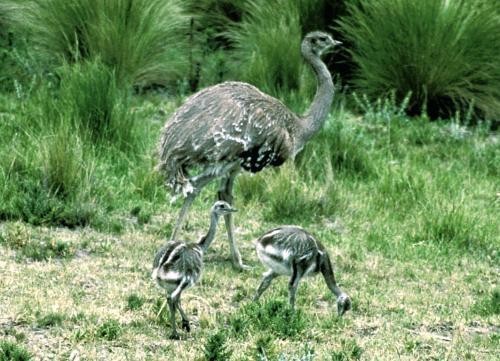
Greater Rhea: Very large. Flightless. A great runner. Forms groups that feed in the fields.
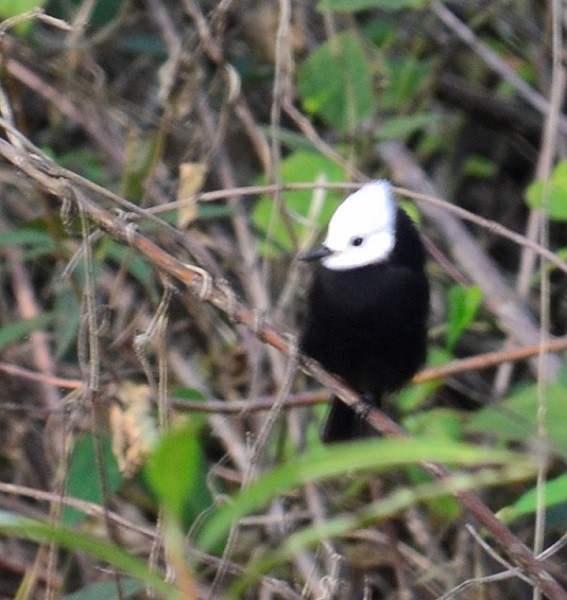
Masked Yellowthroat: Trusting, lives near water and feeds on insects
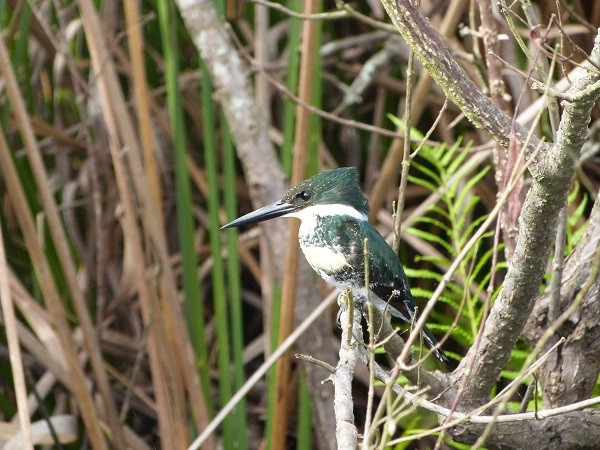
Green Kingfisher: Alone or in pairs. Visits rivers, marshes and lagoons with nearby tree vegetation.
Angú: Striking. Hidden. When it sings, it does so as a duet in visible spots.

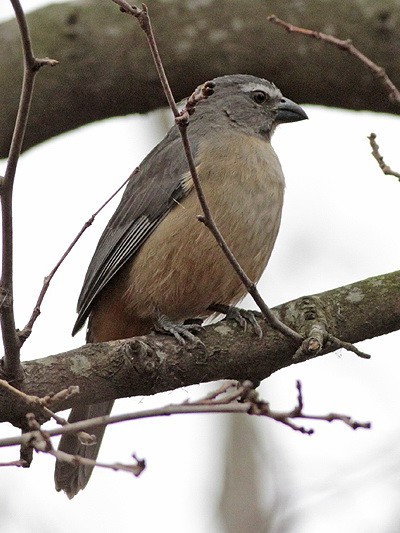
Grayish Saltator: Often sings melodiously in visible spots.
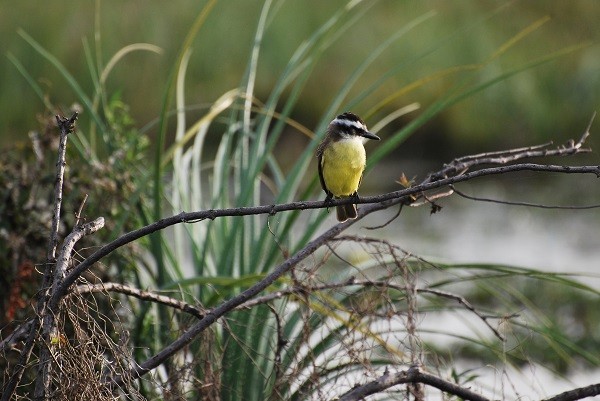
Cattle Tyrant: Commonly seen on the ground or on the backs of animals, waiting to catch insects.
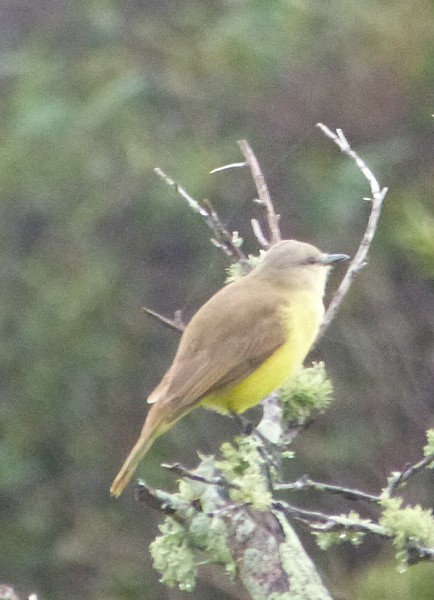
Glittering-bellied Emerald: Active. With bronze sheen. Pink bill with a black tip.
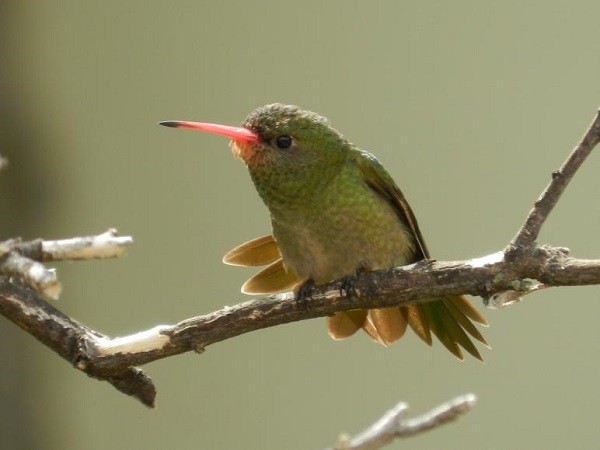
Masked Gnatcatcher: Active, roams dense vegetation looking for insects. Female is paler.
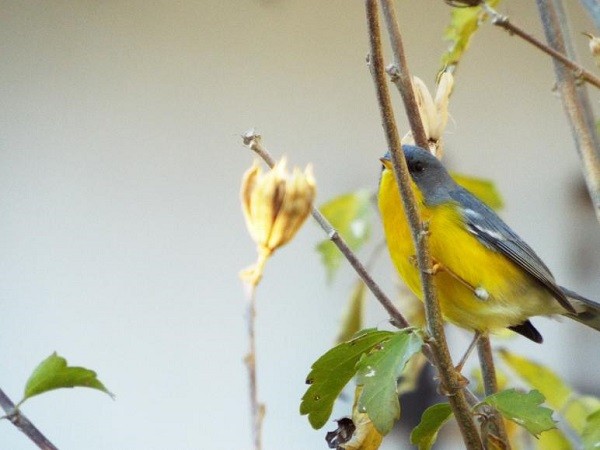
Long-tailed Reed Finch: No crest. Always near water. Ground-dwelling and sometimes in shrubs.
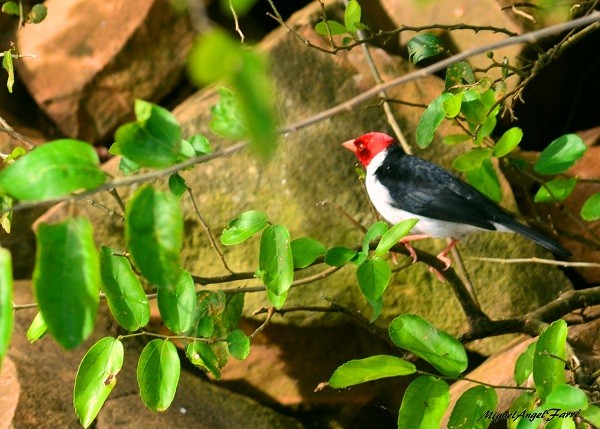
Red-crested Finch (Federal): Forms small flocks; when feeding, one stays on lookout.
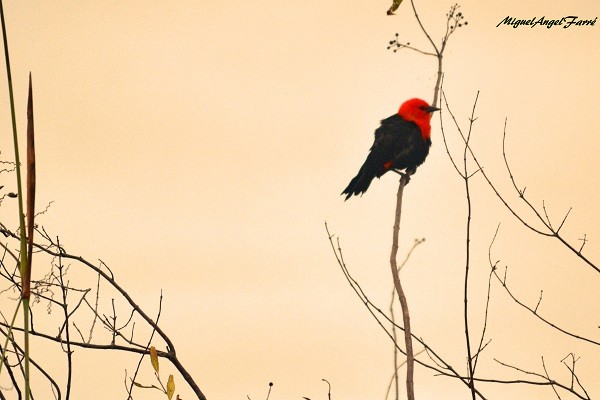
Cocoi Heron: Shy. Solitary. The largest heron. Flies with its neck folded back.
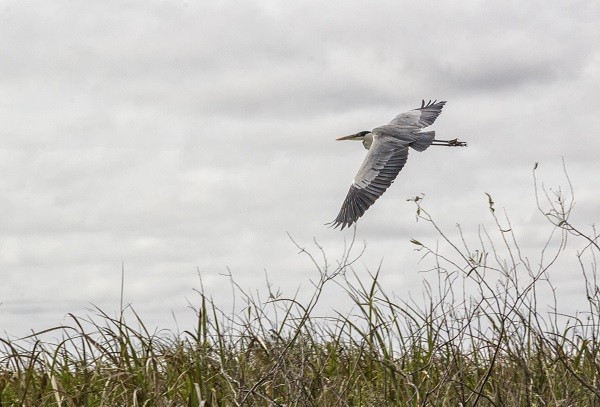
Neotropic Cormorant: Perches on posts and branches with wings spread out to dry its feathers.
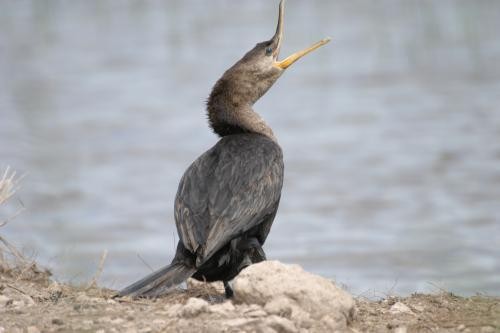
Oriole (Boyero): Builds a hanging nest shaped like a woven bag.
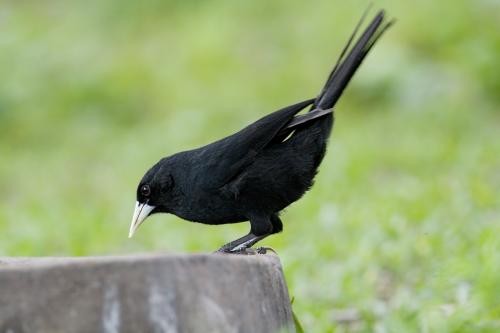
Southern Crested Caracara: Trusting. A scavenger, but also a hunter and opportunist.
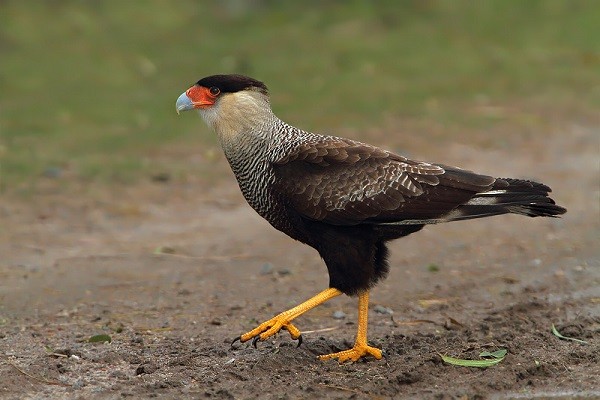
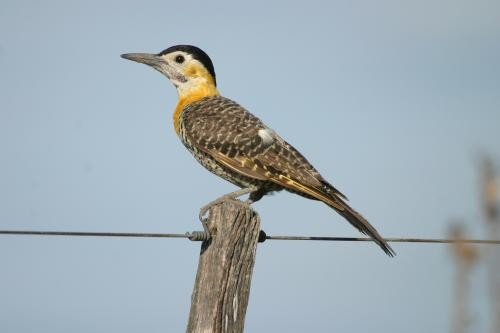
Campo Flicker: Goes about in pairs or family groups. Generally feeds on the ground.
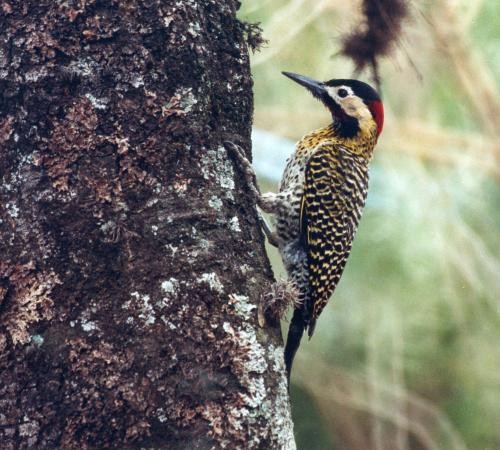
Green-barred Woodpecker: Trusting. Works branches and old trunks looking for larvae and grubs.
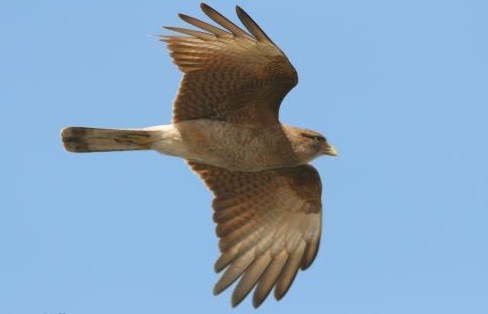
Chimango Caracara: Very trusting. Frequents every habitat, including towns.
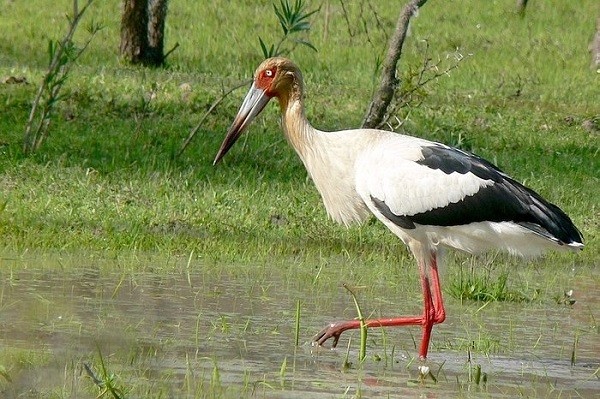
Wood Stork: Large and trusting. Solitary or in groups. Common in aquatic habitats and grasslands.
Great Kiskadee: Often found in different habitats, always alert.
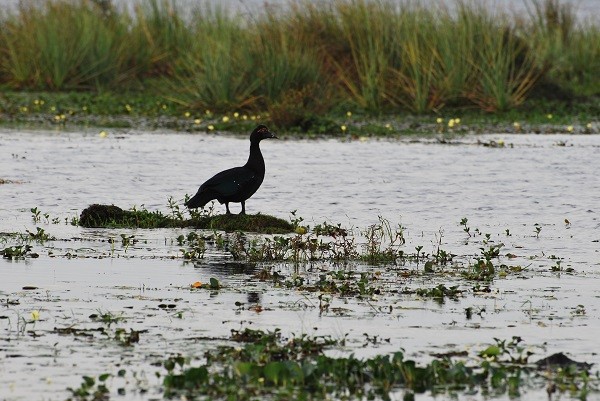
Muscovy Duck: Perches in trees. Black with metallic green sheen. White patch on the wings.
The interesting thing about this type of wildlife is that in any corner of the region you can come across one of these specimens: from boat-based birdwatching outings along the shores of the Iberá lagoon to the doorway of some small town market, where a number of woodpeckers compete for a preferred spot.
We invite everyone to discover the rich birdlife of Corrientes on our next trip to the Esteros del Iberá and let yourselves be dazzled by its colors and sounds.
Source: Aves Iberá, by Mariano Masariche, Roberto Guller and Oscar Iriani. Fundación Naturaleza para el Futuro 2013.
Photos: taken by our passengers on our latest trip to the Esteros del Iberá, May 2015.