How can you train for altitude while living in Buenos Aires or other cities at low elevations?
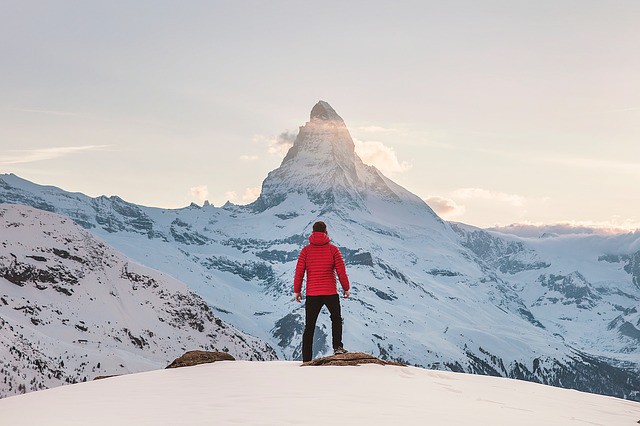
It's a question many mountaineers ask ourselves, and as athletes we tend to use every resource available to train and prepare for our goals.
In this piece we invite you to help us uncover and/or identify the ways and means of getting to know our bodies.
As we all know, the phenomenon that occurs at altitude is hypoxia, which is basically a lack of oxygen in the tissues and therefore in the blood — in other words, a reduction in oxygenated blood in the body.
Some symptoms that may appear are headache, dizziness, nausea, physical exhaustion, drowsiness, among other symptoms.
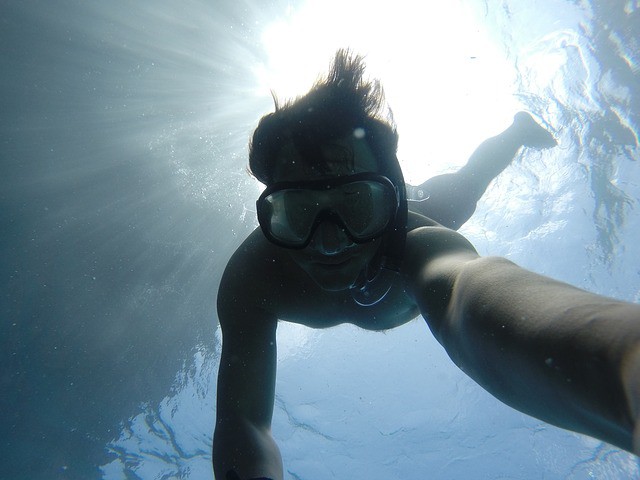
According to a study we've completed, a practical tool is doing water-based exercises. This is very simple; you can take swimming classes at a pool in your neighborhood, or go on your own and put together an underwater training routine — or better yet, in open water.
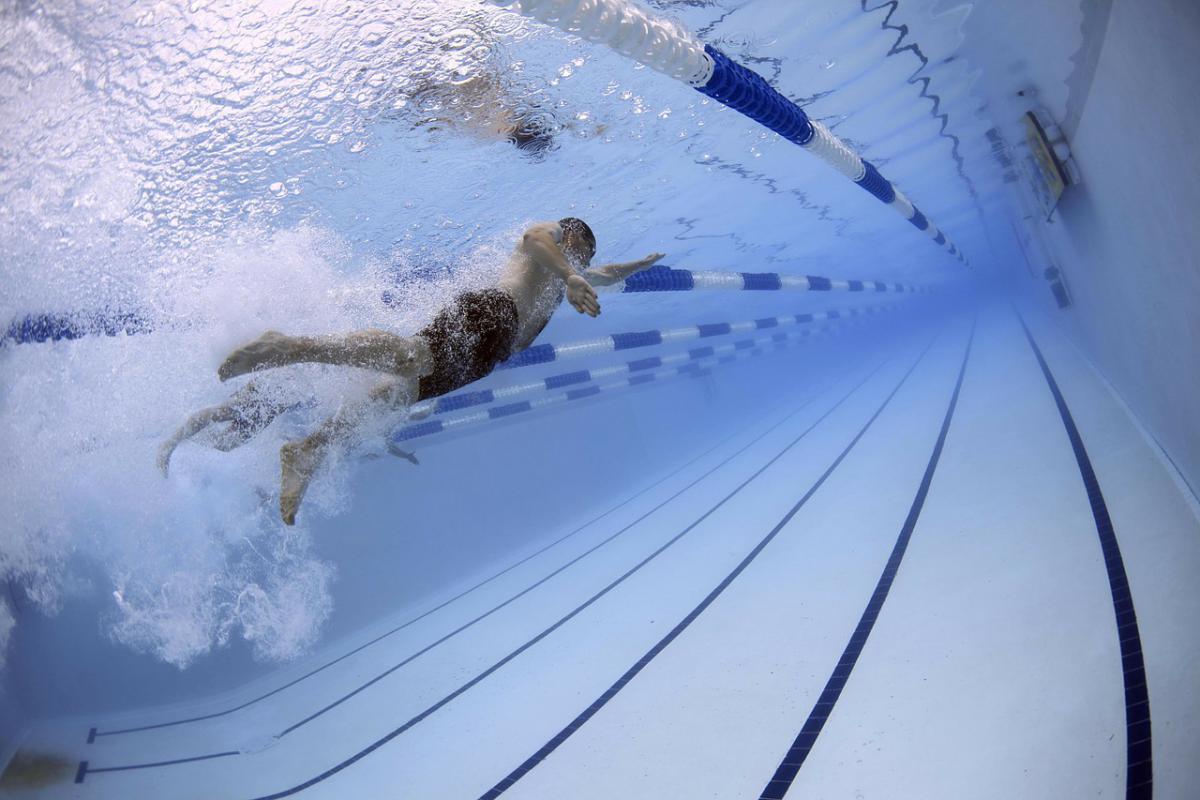 What are we looking for? We're looking to work on hypoxia, but from another angle and in reverse. Starting from the basics, and as we mentioned before, hypoxia is a lack of oxygen, whether in high-altitude areas or in low-saturation areas — that doesn't really change the broad concept, it's the same.
We're not claiming this tool is 100% reliable; we've only analyzed and researched what results come from doing these exercises as a routine before encountering altitude.
On the other hand, to further enrich this research, we've taken the time to listen to the experiences of friends and fellow mountaineers, who contribute to our piece. Let's take a look.
 Anonymous, Mountain Tour Guide.
“From my experience, what helps build greater capacity at altitude are the famous hypobaric chambers, which recreate the lack of oxygen at altitude — depending on what you're aiming for, they can be set to altitudes of 5,000 or 6,000 meters. This same method can be recreated with a mask that's already available on the market. On the other hand, as also covered in the research above, swim training using masks can give good results.”
Anonymous, Amateur mountaineer.
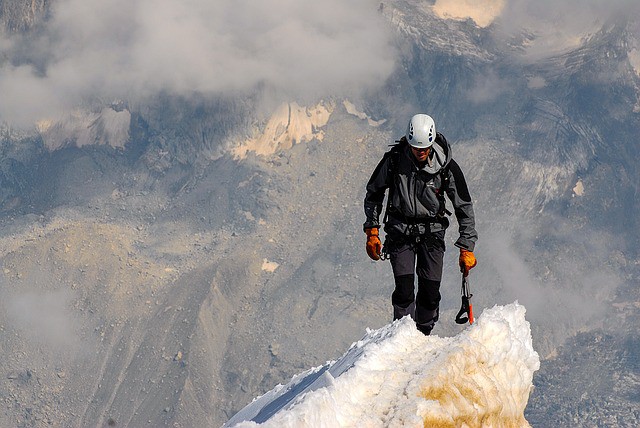
“Actually I don't have experience with underwater training, only on land at sea level and at about 3,000 m with a training mask, for about three years now.
With very positive results. Not related to altitude simulation or anything like that, but from a proven increase in my lung capacity (maybe around 30%) and better use of oxygen when it's scarce. Some say it even strengthens the diaphragm. I breathe much better at altitude, I don't feel “short of breath.”
I used it at first in 20/30 minute intervals at the start of workouts...and now I use it throughout my entire workout...whether it's strength, endurance, aerobic, etc.”
At Argentina Extrema we aim to offer you input for your training, so that your “conquests” of new summits become even richer. It's a subject we find very interesting, and one that in our view still needs much more research and verification of the topics studied.