Expedition in Bolivia - Ascension Huayna Potosi + Lake Titikaka and Isla del Sol | Argentina Extrema

Huayna Potosi - 6088 masl- Titikaka - Prqueño Alpamayo - Cordillera Real - Bolivia

A week of mountaineering in the Cordillera Real - Bolivia

Start Date: 2026-Jun-22
End Date: 2026-Jun-29
Hora Inicio: 2pm
Hora Fin: 8am
Meeting Point: La Paz
Duration: one week
Availability: 7 spots
US$ 1375
US$ 1100 20% OFF
Special price booking until 06 de February!

Proposal

TITIKAKA & ASCENSION HUAYNA POTOSI 

Bolivia is a country with a large number of mountains and lakes. This is an active program where we propose you to climb large mountains and also an excursion to the immense and famous Lake Titikaka with the citadel of Copacabana and the Island of the Sun, as part of the acclimatization. A beautiful invitation to discover the treasures of the highlands.

ITINERARY:

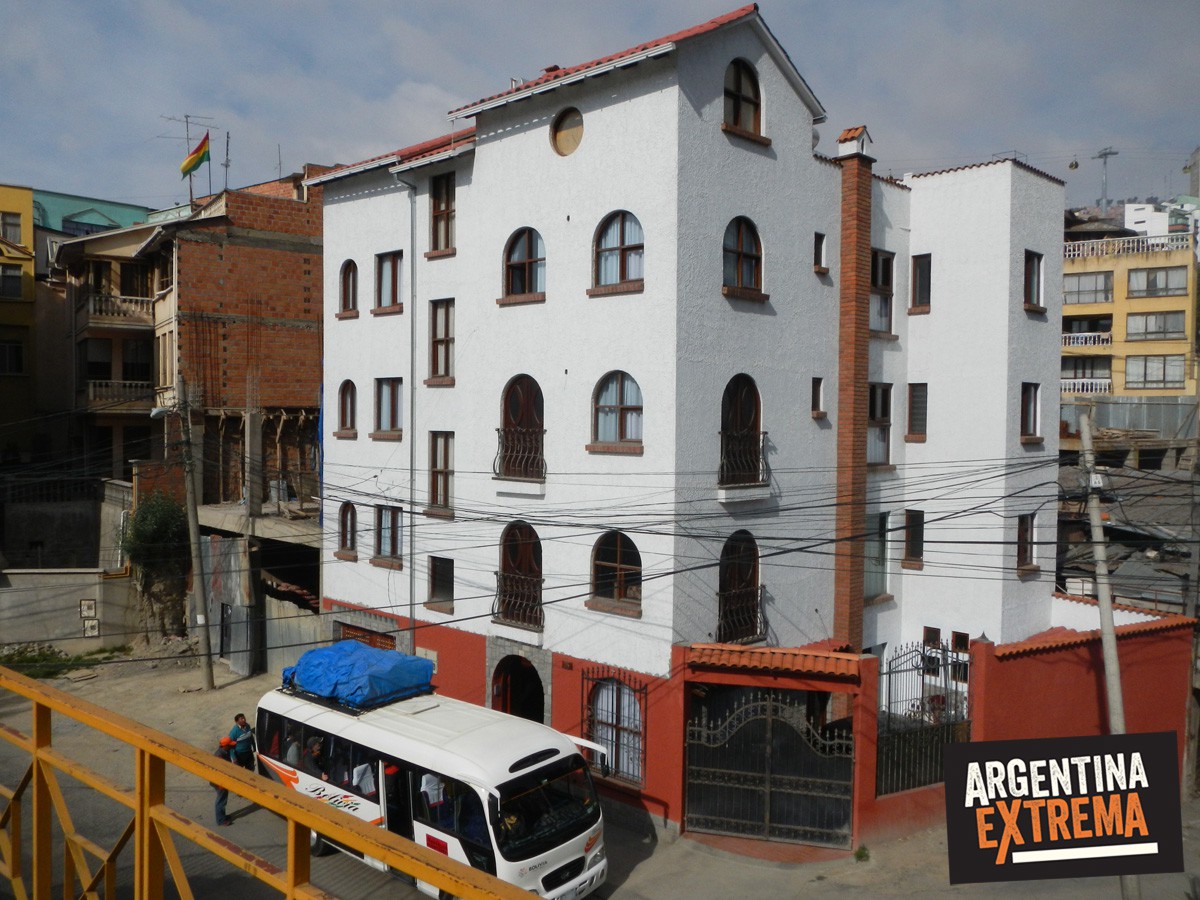
DAY 1: ARRIVAL AT LA PAZ. Reception at the airport and transfer to hotel. First day of calm acclimatization. We met to review equipment and talk about the entire expedition. 

DAY 2: NEW DAY IN LA PAZ. We continue with acclimatization. Day tour of La Paz. Final preparations to leave the next day.

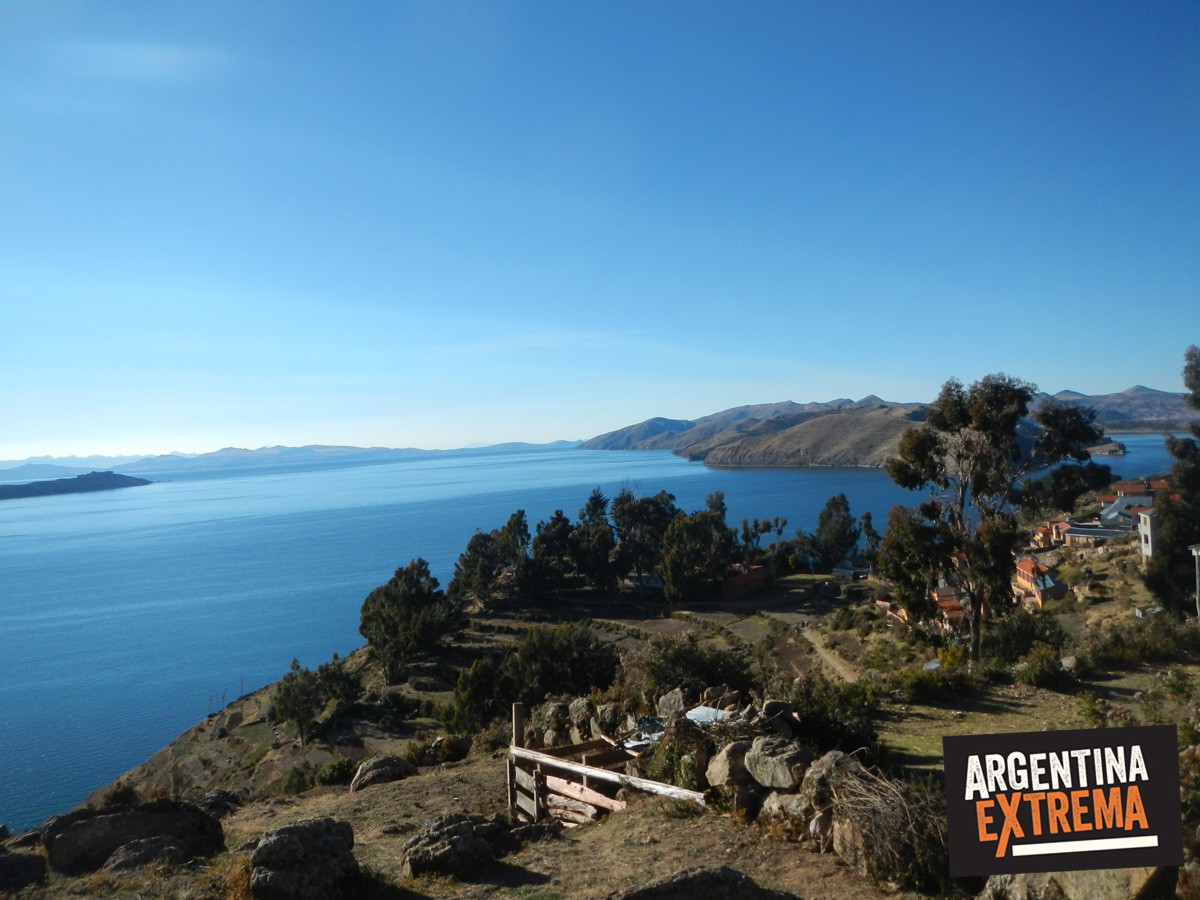
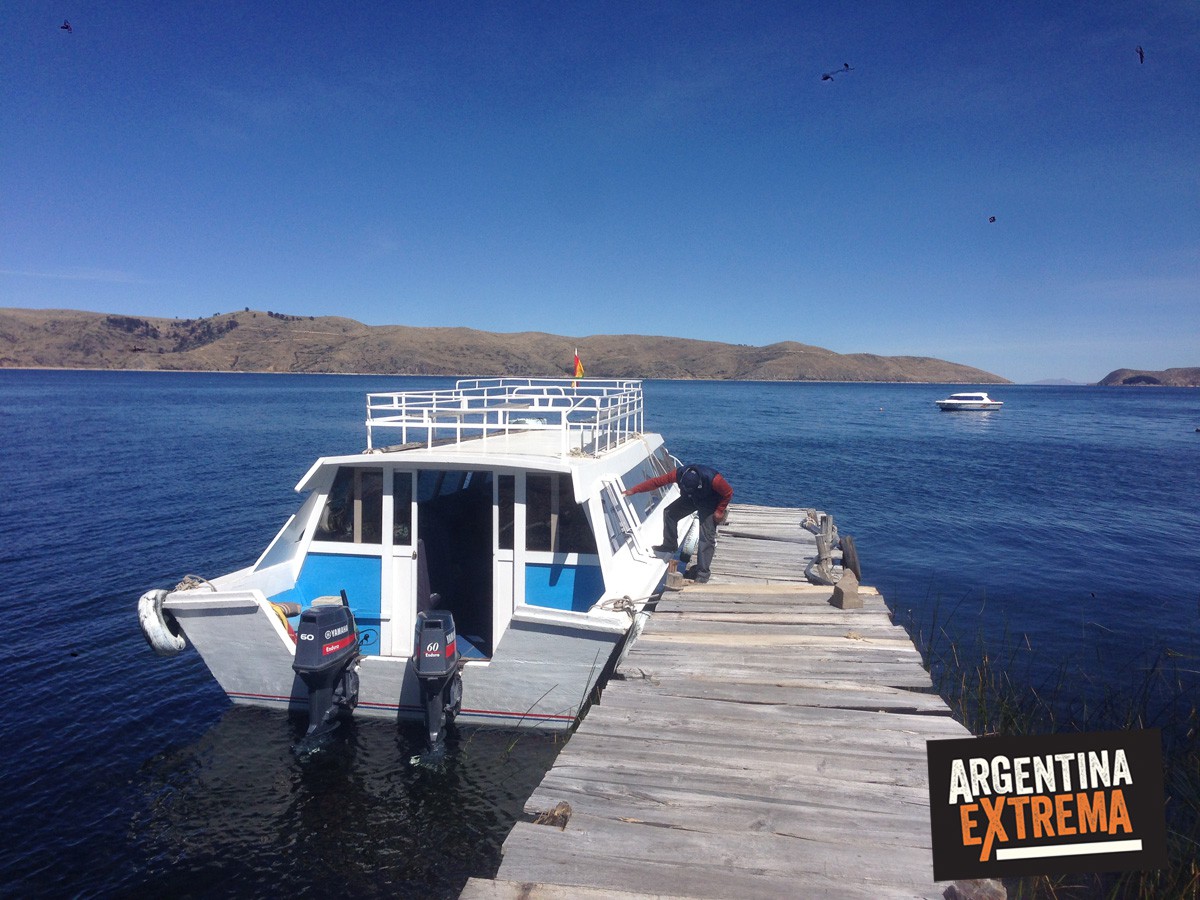
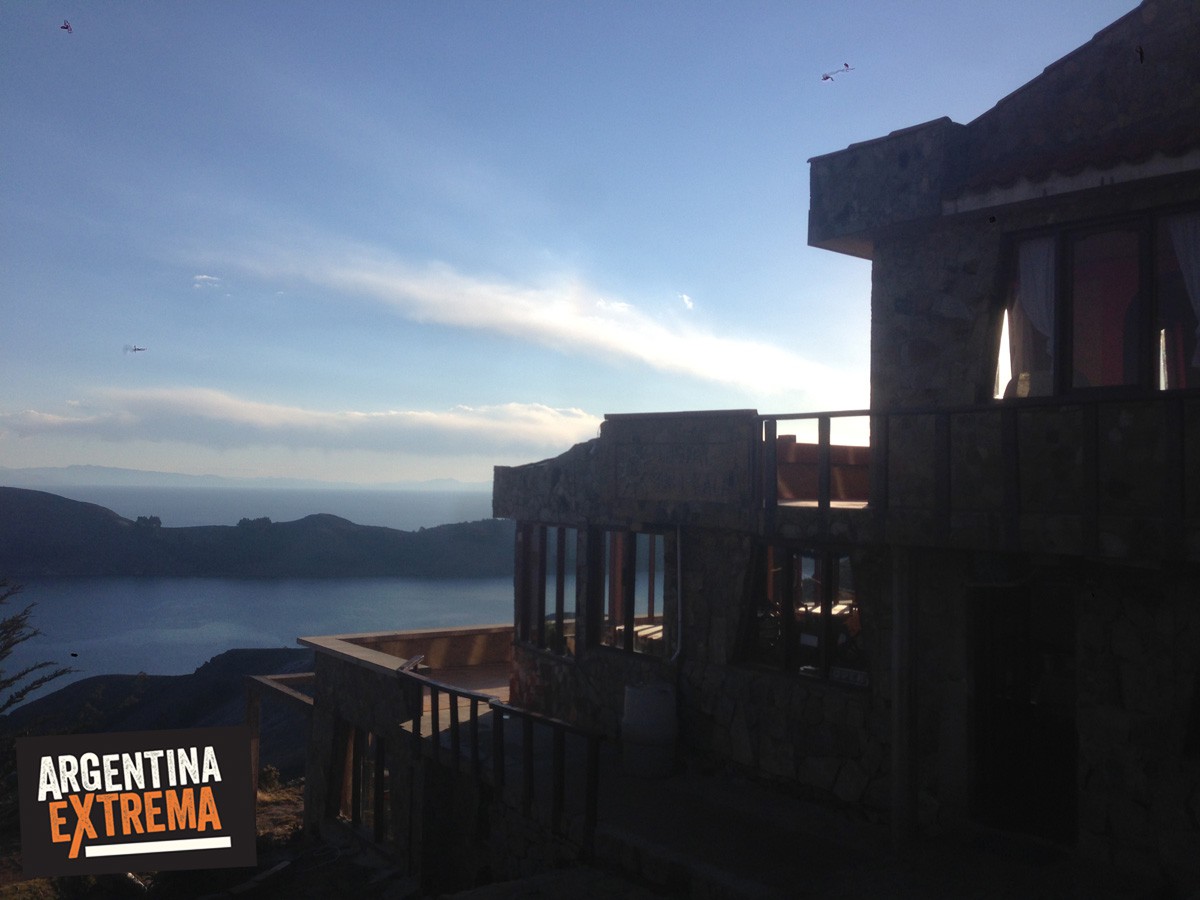
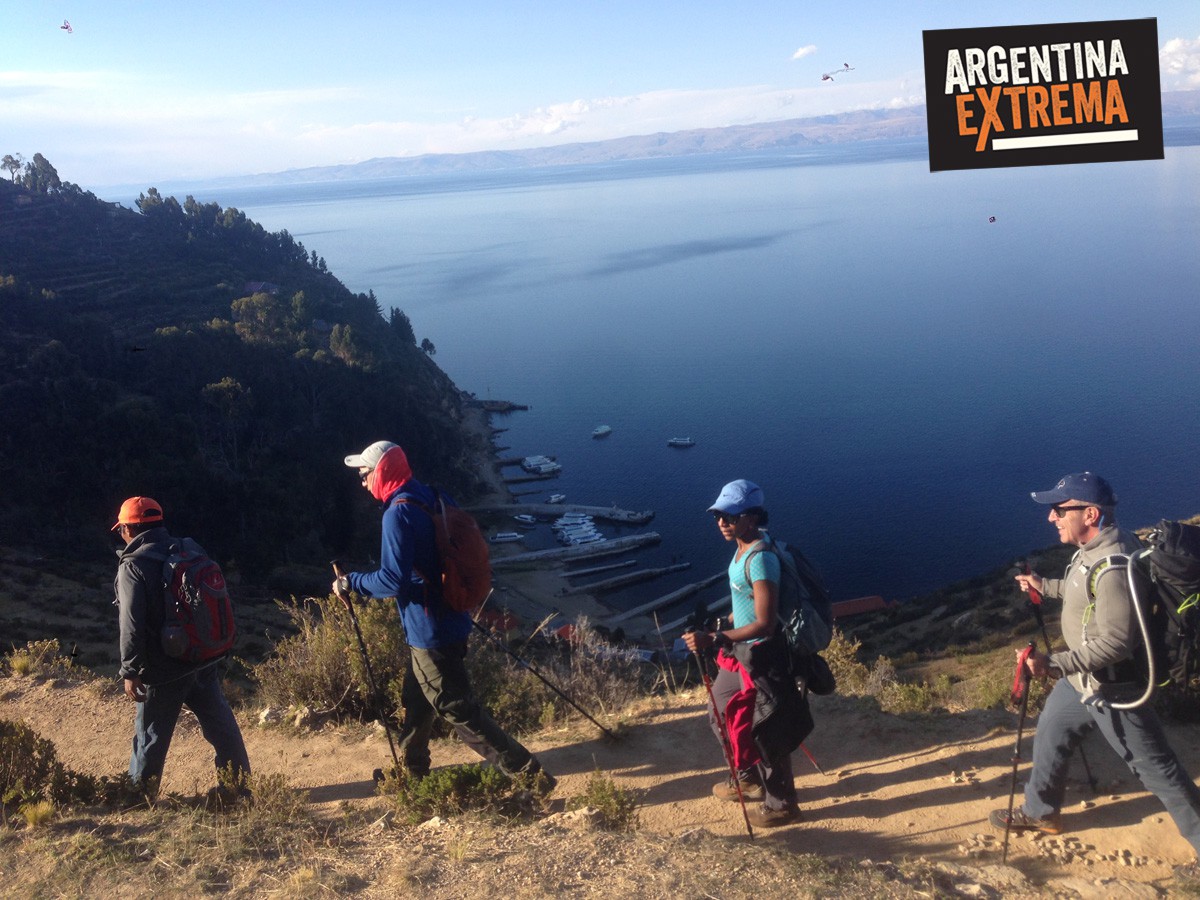
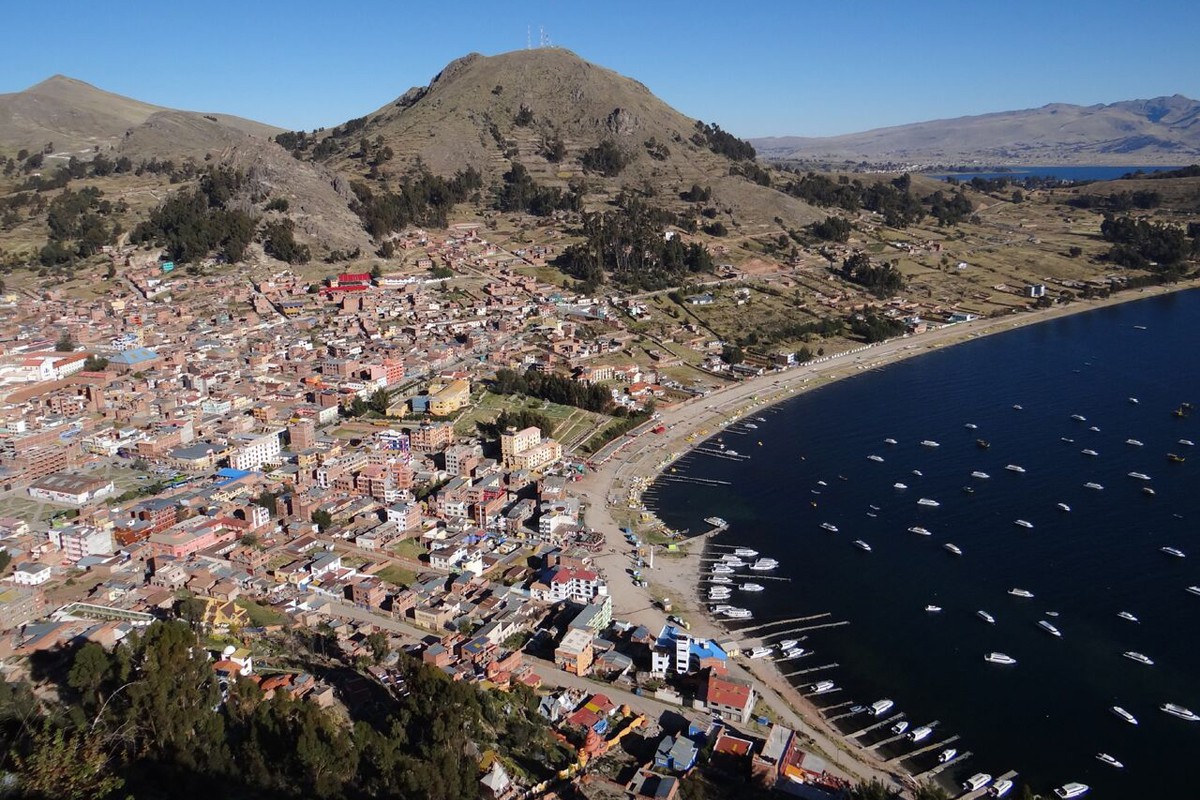
DAY 3: TRIP TO COPACABANA & TITIKAKA. After breakfast at the hotel, we began our trip traveling for 4 hours. to Copacabana, visiting on the way the museum of Paulino Esteban, the Bolivian indigenous man who built the RA II ship for Thor Heyerdal and whose ship crossed the Atlantic. We will also see other cultural and natural attractions. At approximately 12:00 we arrive at the citadel of Copacabana (3825 m altitude), this is a beautiful resort on the shores of the great Lake Titicaca with peaks that offer beautiful views of the lake. At Copacabana beach we took a private motor boat to travel for an hour and a half to the South of isla del Sol to dock near the ruins of Pilkokaina (residential palace of the Incas). After visiting Pilkokaina we walked for an hour and a half to reach a hotel. Accommodation. Later, after a relaxing tea, we will go to see the PALLAKASA VIEWPOINT (4085 m) from where we will see a beautiful sunset over the lake. Return to the hotel for dinner. Meal plan: BREAKFAST, DINNER.

DAY 4: WALKS ON THE ISLAND OF THE SUN AND THE ISLAND OF THE MOON. At hrs. 08:00, we begin a 3-hour walk along the imperial Inca trail to the north to see the Stone of Sacrifices, the Chincana Labyrinth. We descend towards the beach of the Challapampa village where our boat is waiting for us to return to Copacabana. On the way we stopped at the Aijadera village for an Andean buffet lunch. Then finally we return to Copacabana spending a moment to visit the Inca Garden, where we will see the Fountain of Youth, the steps and cultivation terraces of the Incas. Once we arrive at the dock we take our boat to head for 45 minutes towards Isla de la Luna. On the Island of the Moon we know the Iñak Uyu Temple or temple of the chosen ones. One and a half hour walk to the town of Koati. We return to Copacabana, on the way we will visit replicas of the floating islands of the Urus in Titicachi and see how those ancient Andean inhabitants who were supposedly inhabitants of the lost Atlantis lived. We will also see trout breeding.  We arrived in Copacabana at hrs. 14:00. After a short visit to the famous Copacabana Church and the indigenous market we return to La Paz. Hotel.

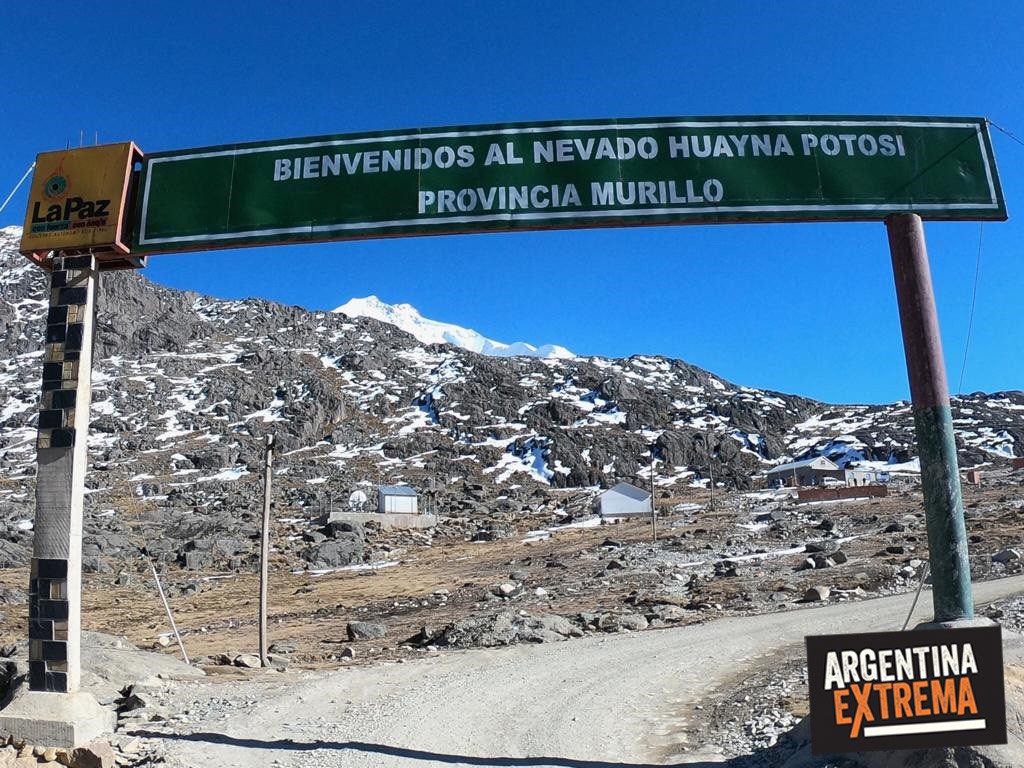
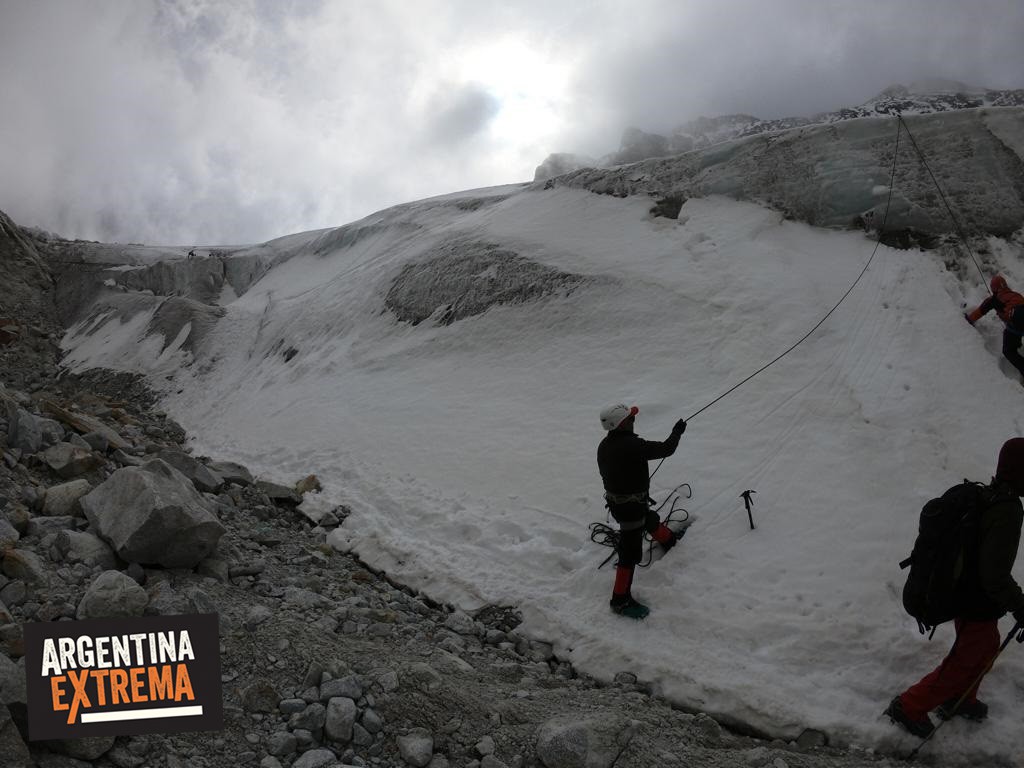
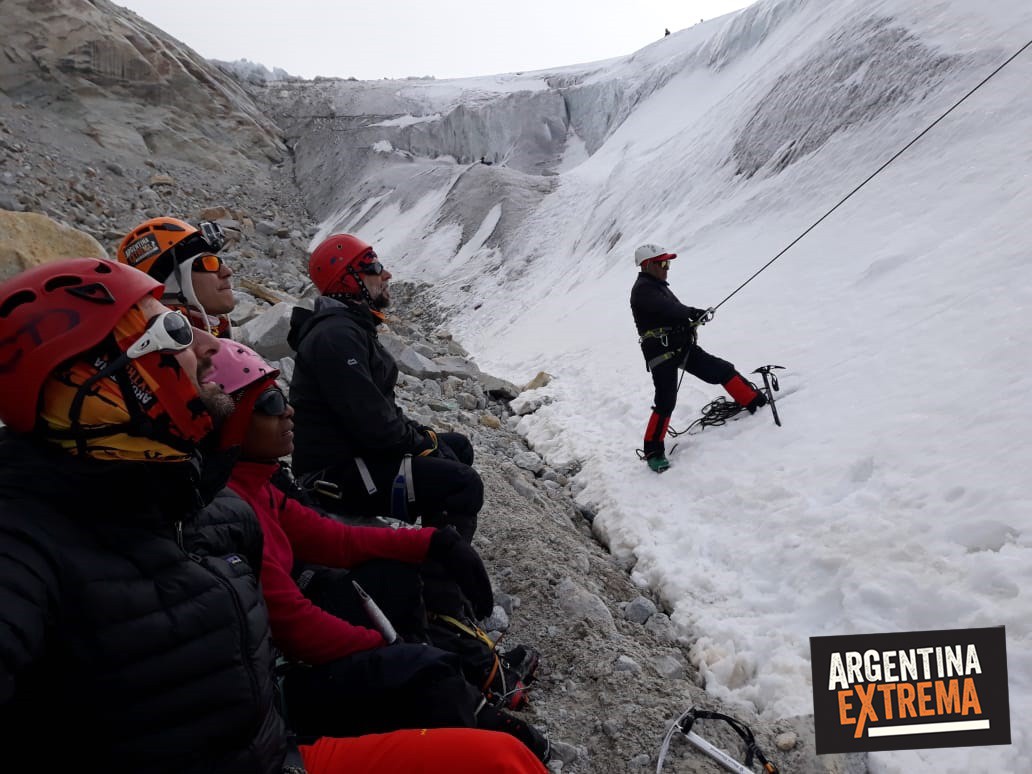
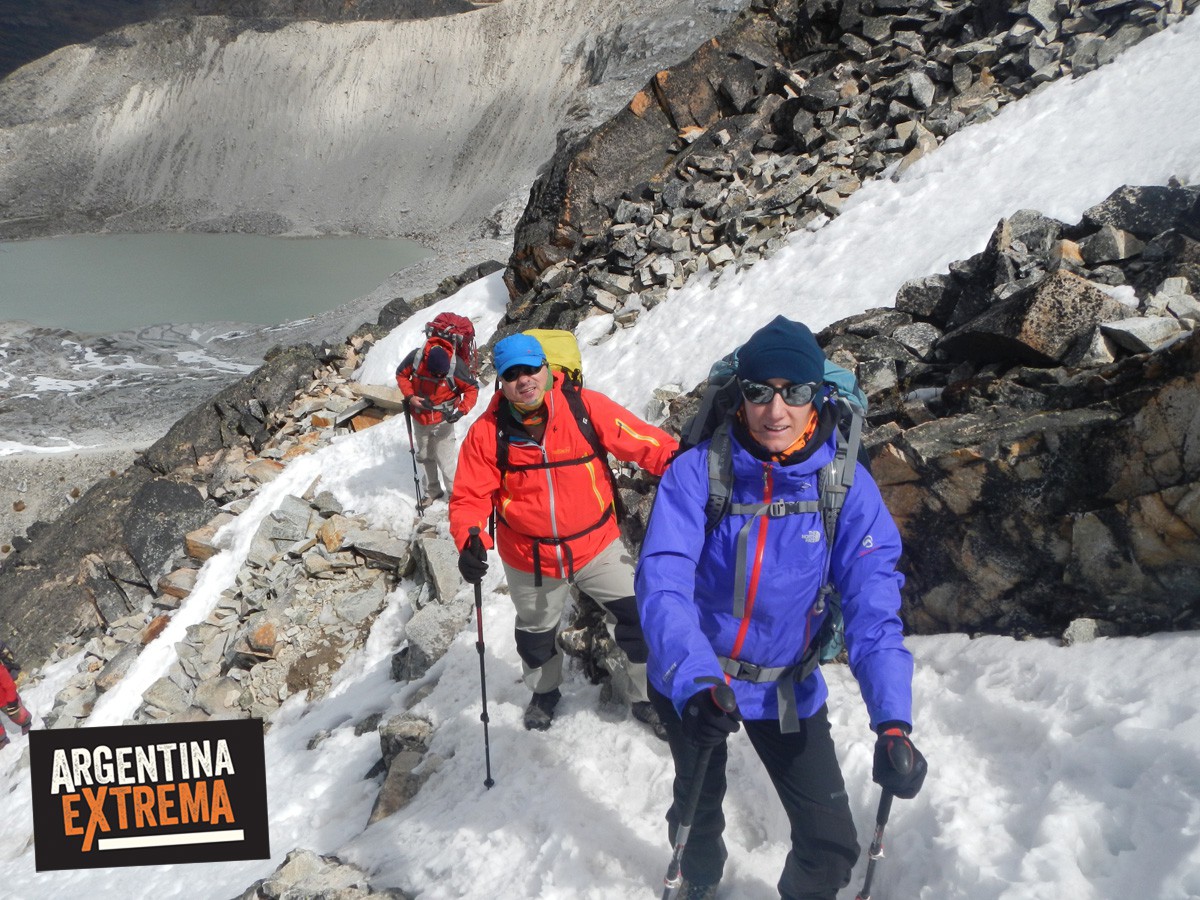
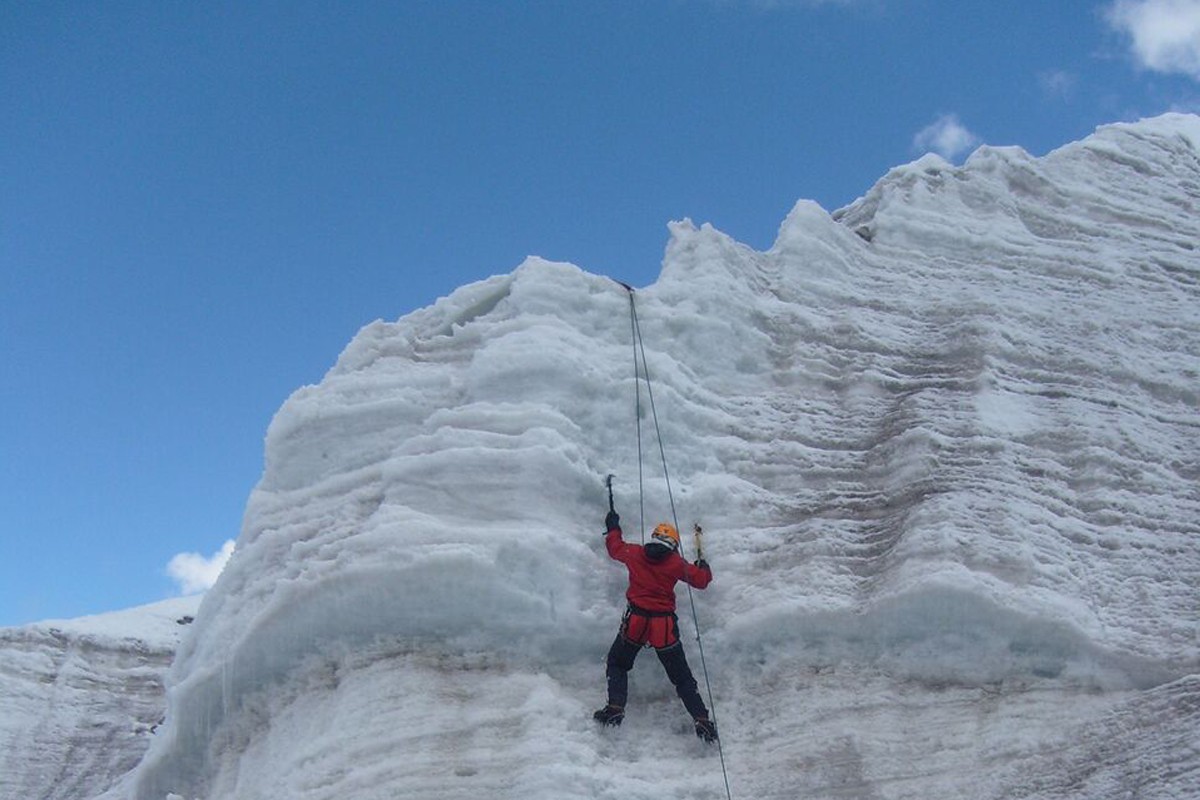
DAY 5: TRANSFER TO ZONGO PASS & ACTIVE ACCLIMATATION. A Hrs. 08:30, transfer by vehicle (3 and a half hours) to Paso Zongo (4750 m) which is located on the slopes of the snow-capped Huayna Potosi. Accommodation at the Casa Blanca shelter and lunch. In this shelter we have a common sleeping room with mattresses on a carpeted floor. After lunch, we prepare our technical mountain equipment and walk for 45 minutes. to reach the Huayna Potosi glacier for a 3-hour training to review our ice and snow climbing knowledge and techniques. We return to Hrs. 17:00 to the refuge for a complete well-deserved relaxation after the activity.

DAY 6: TO CAMPO ALTO DEL HUAYNA POTOSI. 2 hour trek. and accommodation in an alpine-type shelter to sleep like sardines but definitely warm and with good energy to face the next day's climb. Some porters help us with the participants' luggage. It is necessary to bring technical mountain equipment, necessary warm clothing and a sleeping bag.

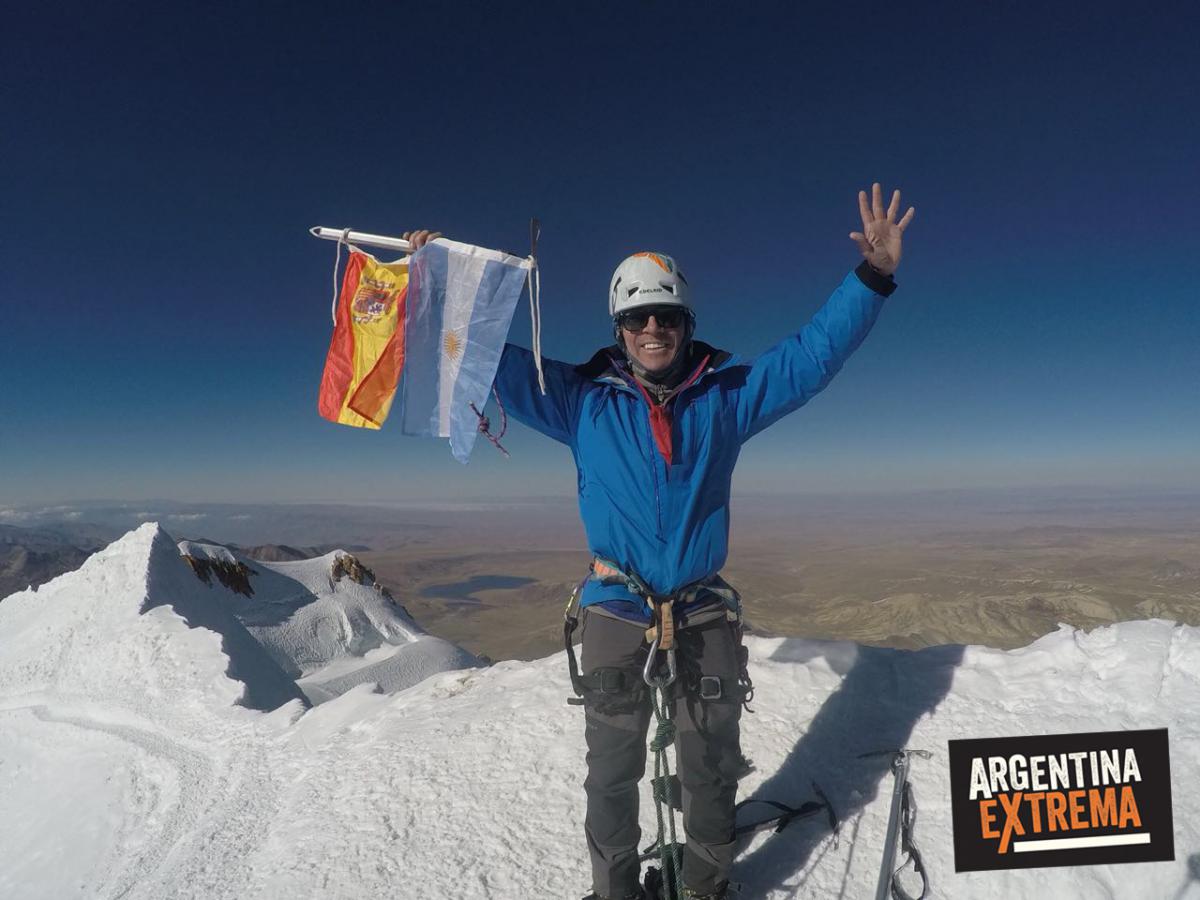
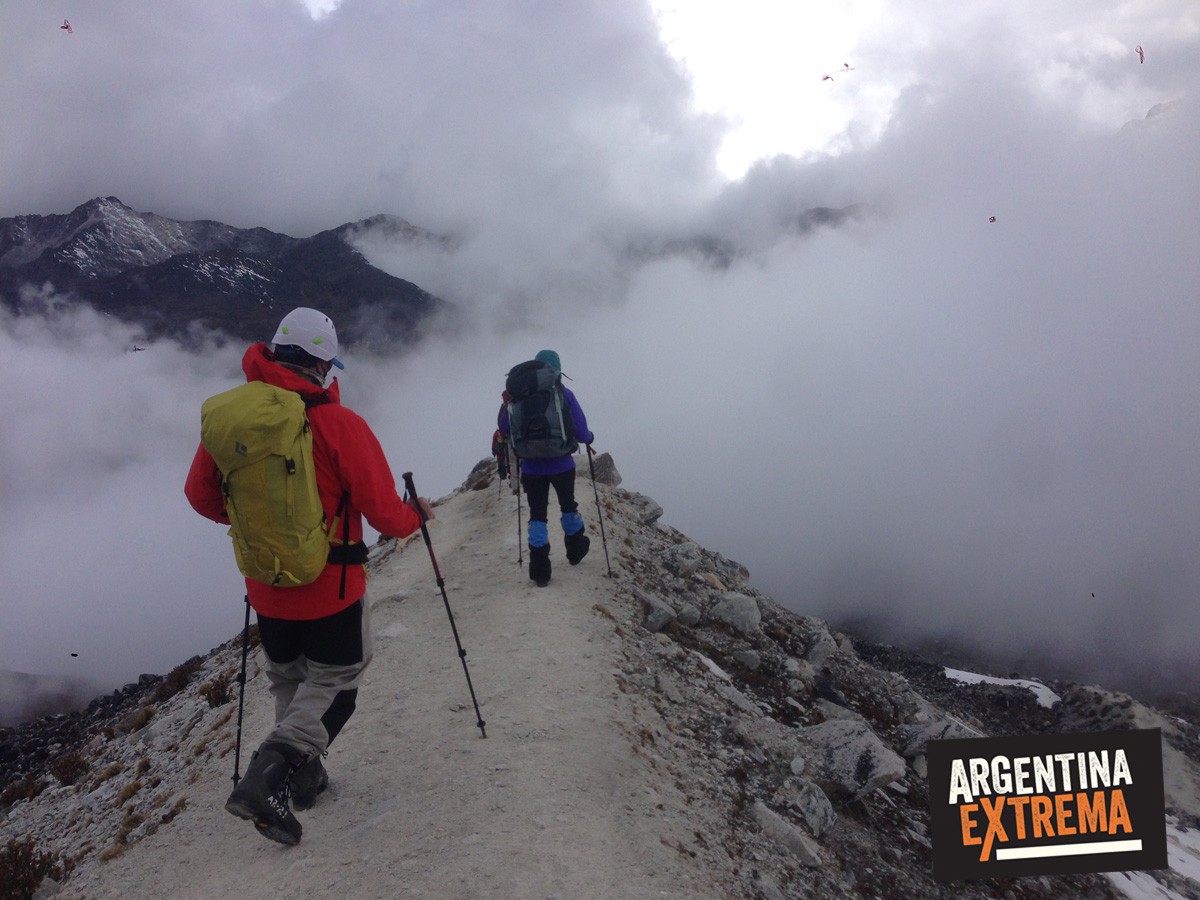
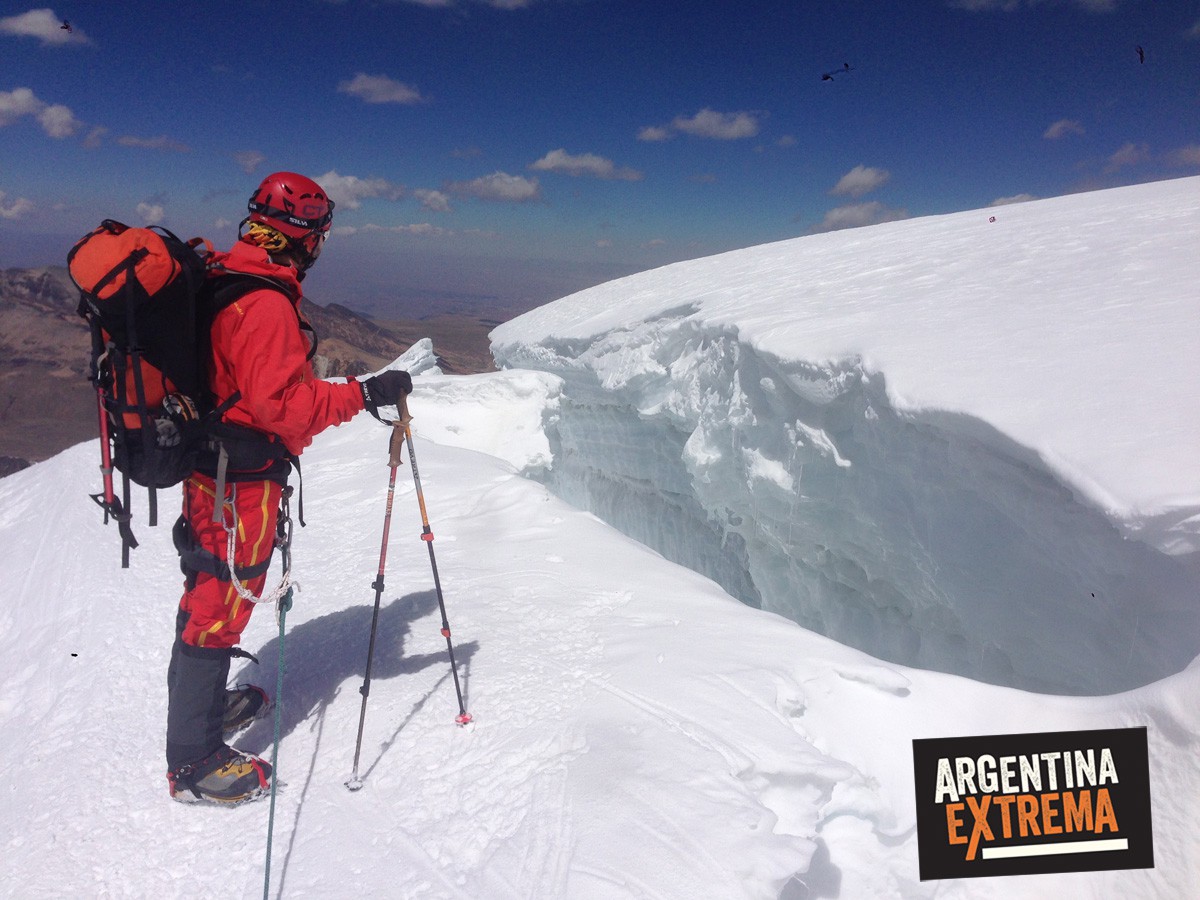
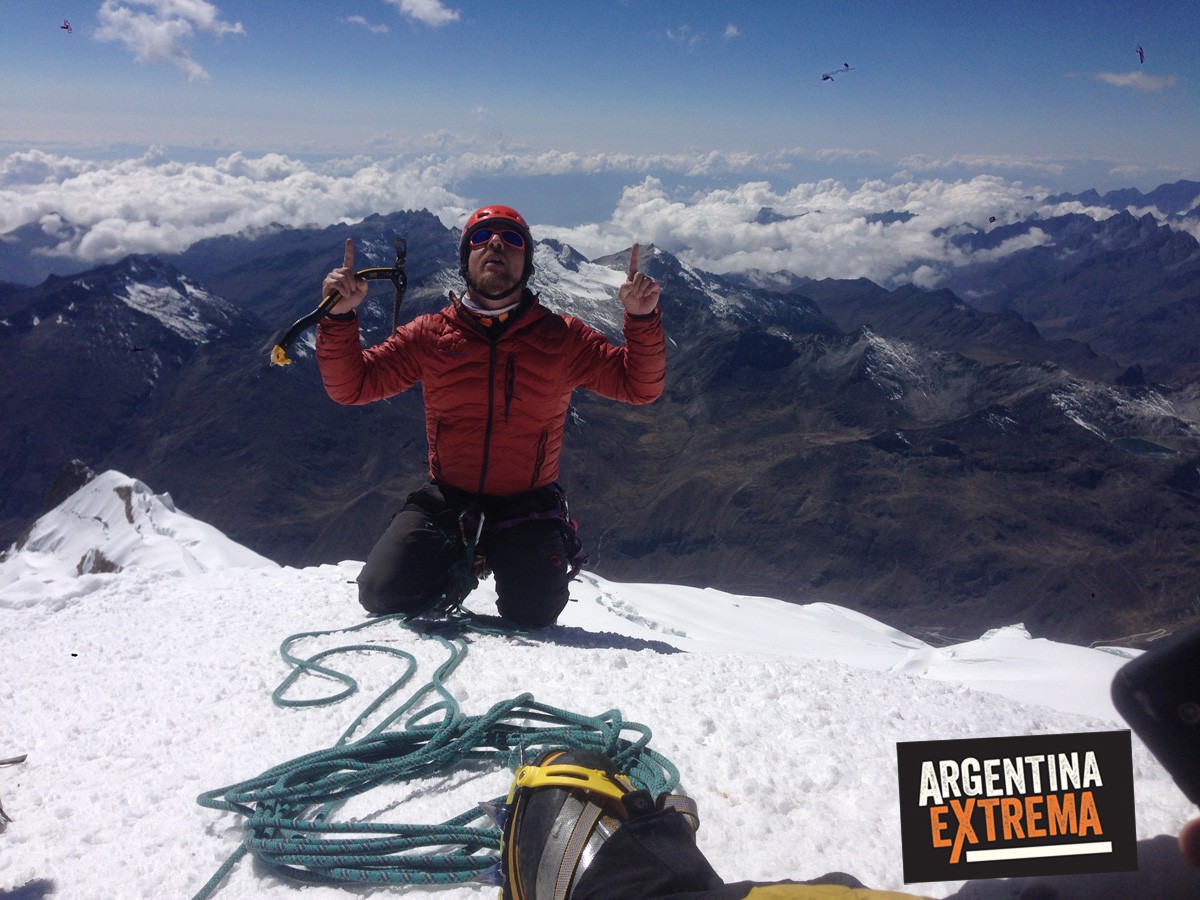
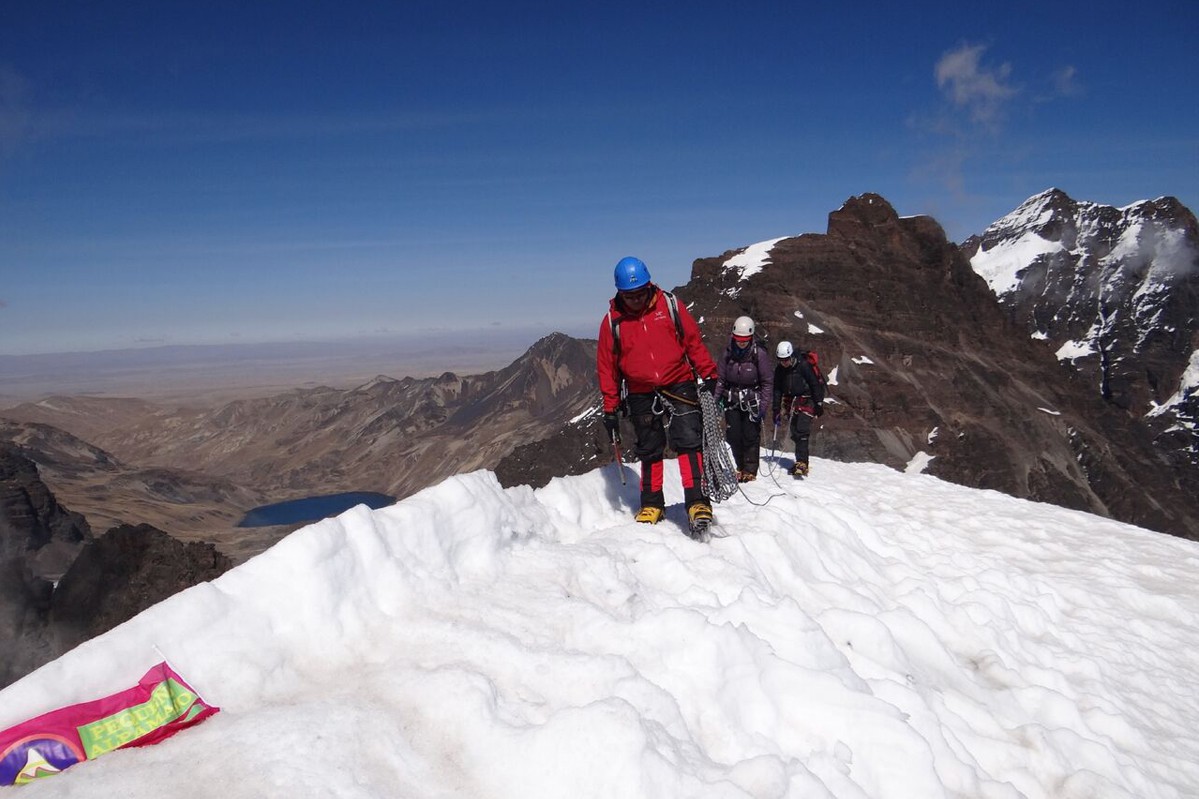
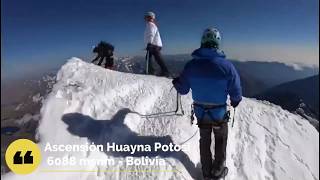
DAY 7: ASCENT OF HUAYNA POTOSI. 6088 m altitude. Normal Route. We begin the ascent at Hrs. 02:00. 6 hours of ascent with some technical passages at 45º along the way. Return to the high altitude refuge. Half-hour rest and then packing of material for an hour and a half return to Paso Zongo and where our vehicle waits at noon to return to La Paz. Before returning to La Paz we will have lunch at the Casa Blanca shelter. Hotel in La Paz.

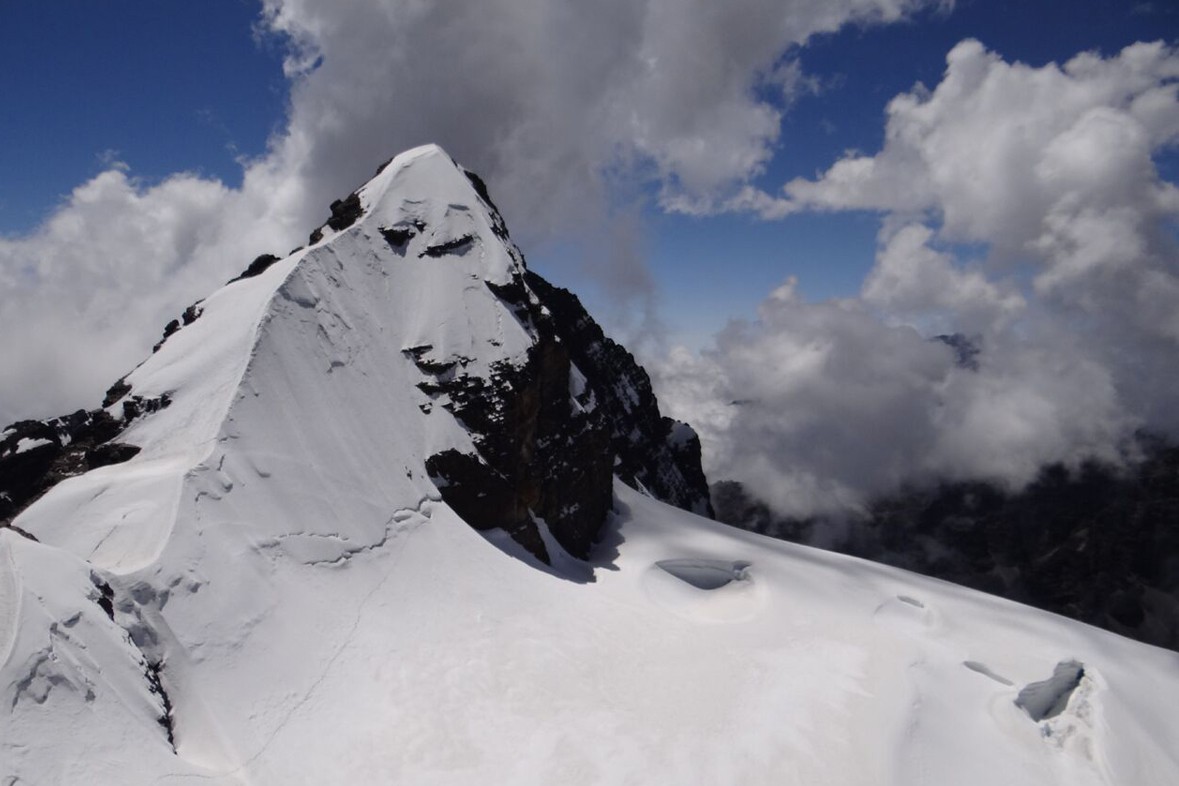
DAY 8: DEPARTURE FROM LA PAZ. After breakfast, transfer to the airport to take an international flight home. End of our services.  CONSULT: For 3 extra days to ascend Little Alpamayo


Included Services

  • Transfers by private transportation from the airport to the hotel and from the hotel to the airport, on the days of the group's arrival and the group's departure from La Paz, with accompanying guide. 
  • Private transportation throughout the program.
  • Cultural guide on Lake Titikaka.
  • Private motor boat on Lake Titikaka.
  • 1 night at Ecolodge PallaKasa on Isla del Sol based on double or triple rooms.
  • Entrance tickets to tourist sites in Titikaka and Huayna Potosi.
  • Complete meals in the program outside the city of La Paz and Copacabana.
  • Personal mats if participants do not have them,
  • Porters load personal luggage in Huayna Potosi.
  • Casa Blanca refuge at the Huayna Potosi base camp based on a multiple common room in alpine refuge style.
  • Anselme Baud refuge in high countryside based on multiple common rooms in alpine style.
  • A UIAGM mountain guide and a mountain guide with local certification in mountain guiding.
  • 1 cook during the mountain expedition with mountain training to accompany the group on ascension days.
  • 3 nights at the Sajama hotel (www.sajamahotel.com) or at Hostal Naira (www.hostalnaira.com) in La Paz based on doubles and one single for odd participants.

Services NOT included

  • Personal expenses.,
  • Drinks at the hotel on Isla del Sol and at the Casa Blanca and Anselme Baud shelters,
  • Meals in the cities of La Paz and Copacabana, 
  • Airport or airport transfers outside the day of group arrival (DAY 1) or group departure (DAY 7).  
  • airport taxes, 
  • Travel insurance,
  • Tips for staff,
  • Personal mountain equipment.

Where to sleep


The overnight stay is in hotels, hostels and mountain camps in comfortable igloo-type tents for 2/3 or 4 people.

Frequently Asked Questions

Is the climb very technical?

Rope and rope ascent techniques + ice ax handling are required. We give classes and corresponding instruction. 

What temperatures must be endured?

Northern Argentina, Peru and Bolivia are characterized by having a significant thermal amplitude (hot during the day and cool at night and early morning). There is also the so-called “Bolivian Winter”. This means that in our summer (December to March) it is the rainy season there. In our winter it does not rain but the thermal amplitude is noticeable a little more and the cold at night and early morning can be felt, especially in the high altitude camps (more than 2500 meters above sea level) like two on this route. 
You should protect yourself from the sun with a hat, scarves, sunscreen and mountaineering glasses. And at night it is important to have a good sleeping bag and shelter since the temperature can drop to less than 0° Celsius.

What sleeping bag should I bring?

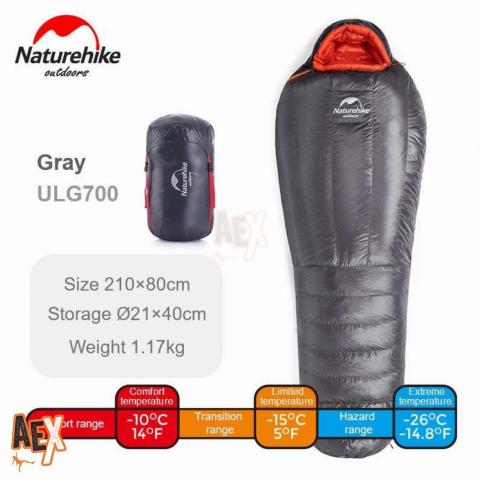
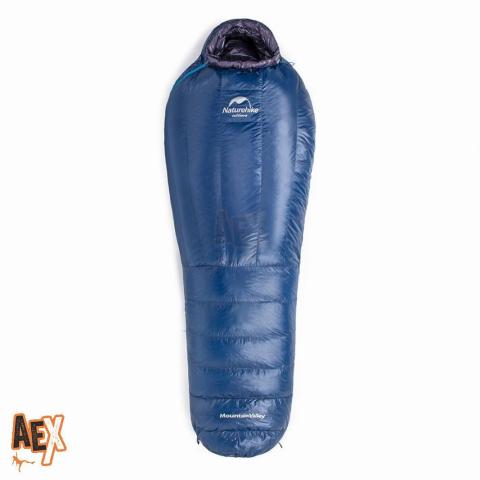
Sleeping bags or bags must be able to withstand a temperature of -5° Comfort, to be able to rest peacefully. The duvet-goose down material are the best, but the synthetic ones today also have modern and high-performance materials. They can be rented. 

How should I travel and to which city?

The city to travel to first is Santa Cruz de la Sierra, which is much lower than La Paz, so the acclimatization process is more convenient.

Is there anything you can tell me about the group? How many are we, ages, etc.?

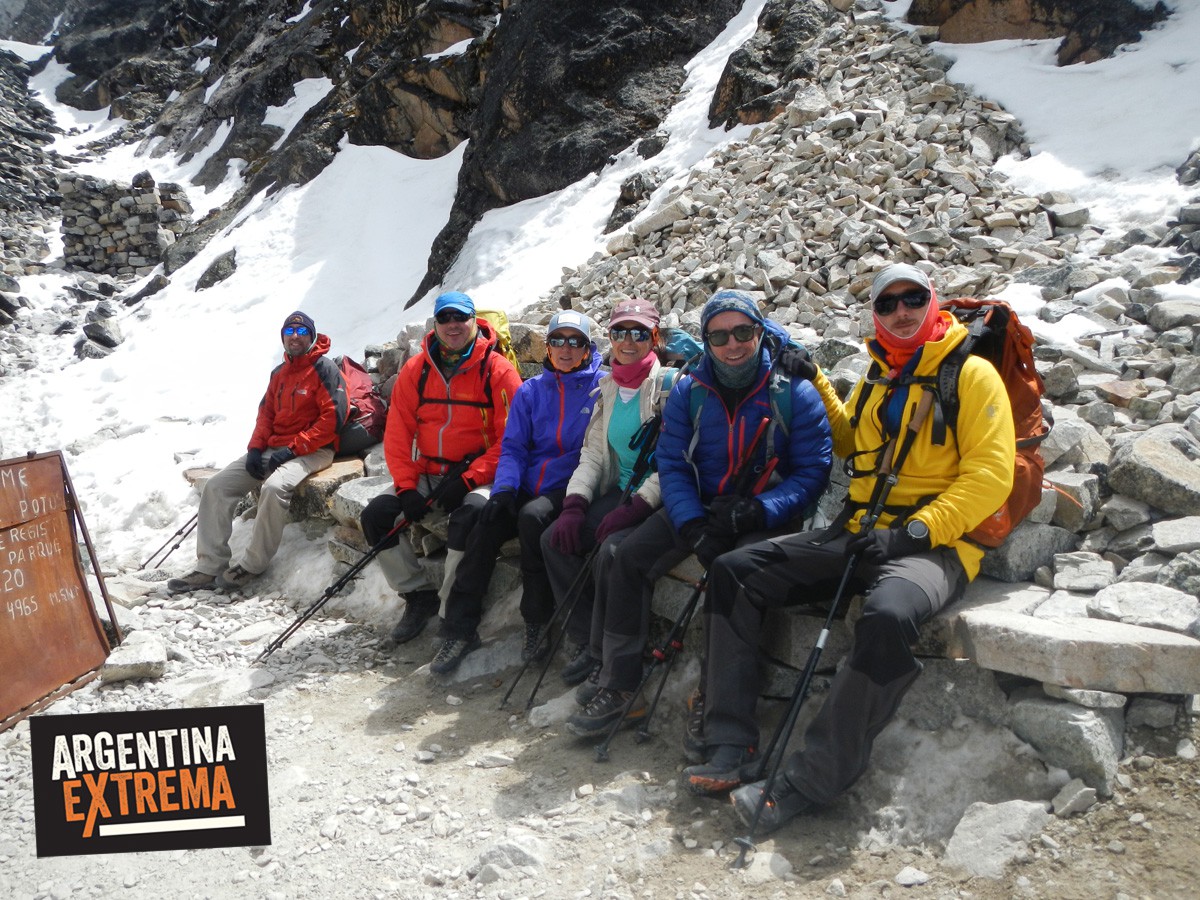
In general, these are very heterogeneous groups (all types of people). Varied ages and sexes, people traveling alone, accompanied by a friend, couples, families, etc.

Is a guide-coordinator from Argentina traveling with the group?

Yes, that is one of the added values ​​we give on our trips abroad; A guide from our company travels with the entire group and facilitates connections and is also there to solve any type of problem, assistance, evacuation, etc., etc. 

What physical condition should I have to be able to carry out this type of expeditions?

It is not decisive that you are an up-to-date athlete and that you train 4 times a week. But it is important that you know that the better you feel physically, the better it will always be. The idea of ​​these adventures is that you can enjoy it and not suffer from it. If you don't usually train, go running, bike or other aerobic activity, we recommend that you attend one of our weekly training classes associated with mountain activities. And if you start by going for a walk with a backpack loaded with no less than 8 kilograms and doing several kilometers per week and also going up and down stairs or slopes in series of 20 uninterrupted minutes. Ask us for an appropriate training plan.

Are there rest stops on the climbs?

The stops occur with a frequency and gradation according to the intensity.

There are stops for lunch, snack, and rest.

From what age can you do this activity?

From 16 years of age.

How much does the backpack weigh?

Between 8 and 12 kilos


Difficulty Graduation System

Click on each indicator to see details

40%
Backpack (M)
Backpack (M)

Backpack: Weight / Duration of the Day.

Clic para detalles
80%
Physical (F)
Physical (F)

Physical demand

Clic para detalles
40%
Technical (T)
Technical (T)

Technician: Difficulty in the Field / Equipment.

Clic para detalles
60%
Psycho (P)
Psycho (P)

Psychological Strength

Clic para detalles
80%
Height (A)
Height (A)

Height Exposure

Clic para detalles
How to interpret these values?

Each aspect is evaluated from 20% to 100%, where:

  • 20-40%: Basic or beginner level
  • 60%: Intermediate level
  • 80-100%: Advanced or expert level
Recommended for intermediate level

Previous experience and good physical condition required.

Required equipment

Required equipment

GENERAL EQUIPMENT

  • Special backpack for trekking (60 to 80 litres).
  • Warm sleeping bag (-10 degrees comfort, eg 800/1000 gms. of feather-duvet or good synthetic).
  • Insulating mat (10 to 15mm).
  • Inflatable insulating mattress (optional).
  • Pair of trekking sticks.

FOOTWEAR

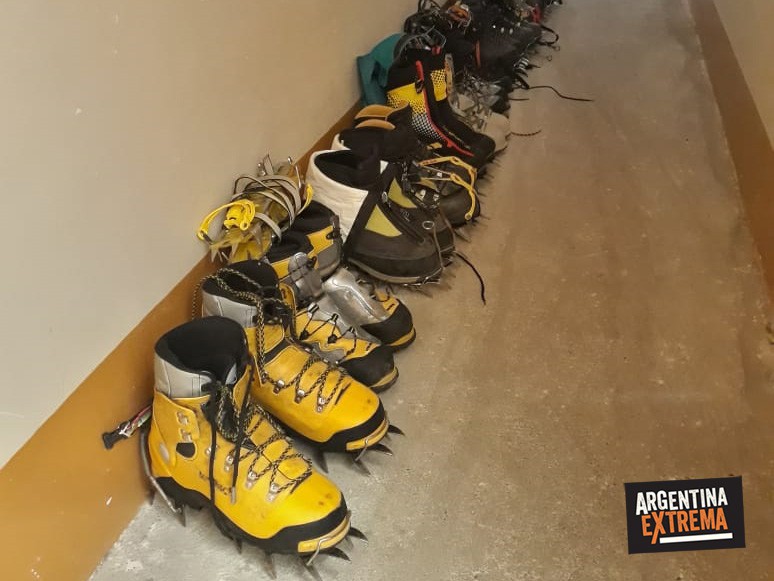
  • 1 Mountain boots for hills of 5000 meters (not necessarily double).
  • 1 extra trekking shoes.

FIRST LAYER (First skin)

  • Changes of underwear.
  • Cotton shirts (to be in the camp and to sleep).
  • T-shirts and/or short-sleeved synthetic t-shirts.
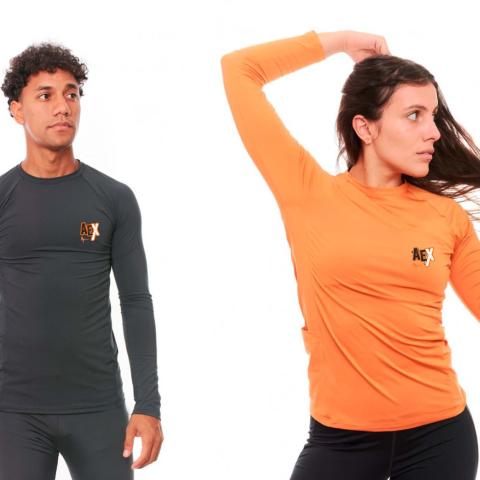
  • Long-sleeved synthetic shirt.
  • Polypropylene pants or leggings or similar (not cotton). To use as warm inner pants.
  • Thin polypropylene gloves or similar (not cotton).
  • pairs of thin polypropylene or similar socks (not cotton), in contact with the skin.
  • Buff type multifunction scarf.

SECOND LAYER (Coat)

  • Trekking pairs of socks (synthetic-thermal).
  • Pairs of thick mountain socks.
  • Some cotton or wool stockings (wool is good for sleeping).
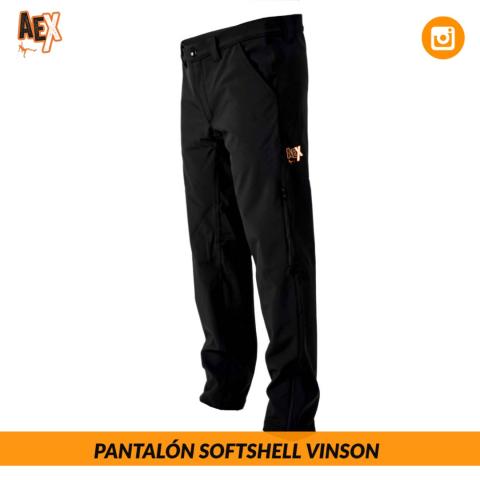
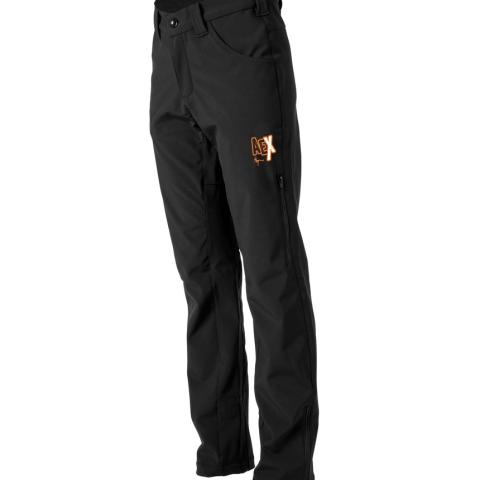
  • 1 long trekking pants.
  • 2 coats (polar type, softshell or similar).
  • Feather-duvet jacket.
  • Polar fleece gloves
  • Warm hat (polar).

THIRD LAYER (windproof and waterproof)

  • Waterproof jacket (ultrex or gore tex or similar).
  • Trouser cover (gore tex or similar or ski type).
  • Third layer gloves or mittens (waterproof and breathable). They can be ski type.
  • Mountain leggings.

TECHNICAL EQUIPMENT

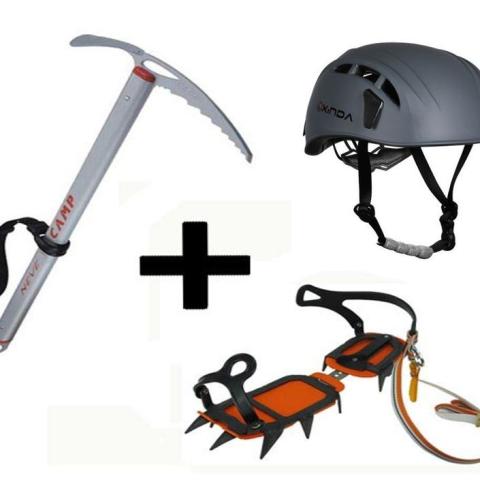
  • Crampons (possible to rent).
  • Mountain-climbing helmet.

PERSONAL ELEMENTS

  • ID/Passport
  • Medical travel insurance

VARIOUS ELEMENTS

  • Headlight with batteries (and spare batteries).
  • Strong plastic bags to store clothes.
  • Deep plastic plate, jug-glass and cutlery.

HEALTH & HYGIENE

  • Sunglasses with UV protection Category 4.
  • Spare lenses (can be goggles, highly recommended).
  • Personal kit (medication with the relevant prescription).
  • High sunscreen, lip balm.
  • Soap, shampoo (small to share) and small towel.
  • Toilet paper. handkerchiefs Baby wipes.
  • Sun cap.

Rental Equipment

Trekking sleeping bag Available
Trekking sleeping bag
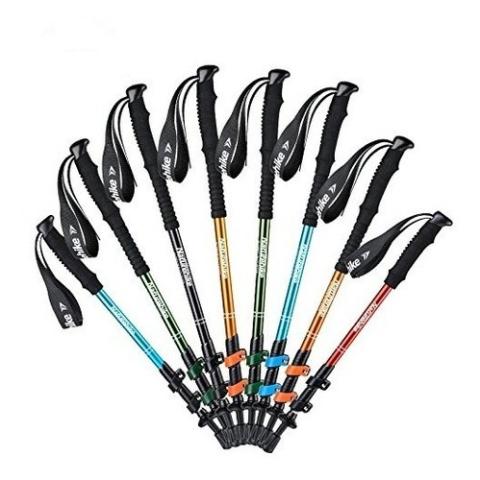
Pair of Trekking Poles Available
Pair of Trekking Poles
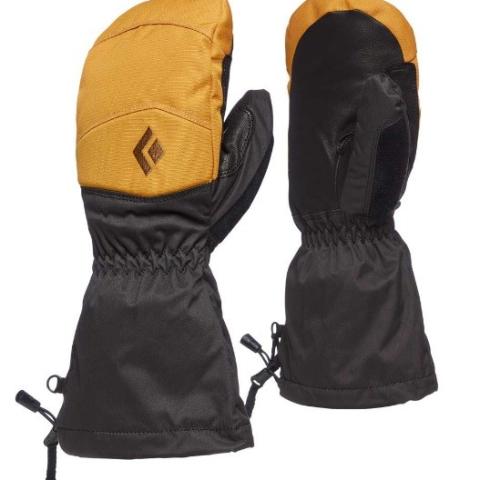
Mittens Available
Rental mittens
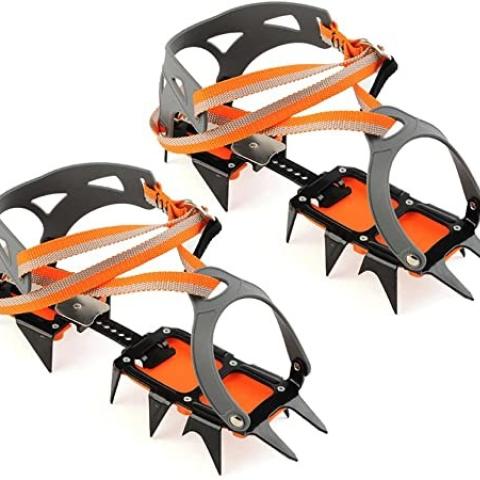
Crampons - Pair of Crampons Available
Pair of Crampons
Climbing II - helmet, crampons and pickaxe Available
Rental : helmet, crampons and ice ax
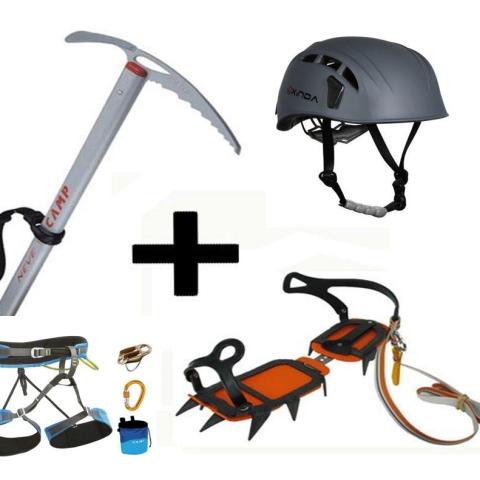
Climbing Combo I - helmet, crampons, pickaxe, harness, carabiners, plate, straps, cords Available
Combo Top: helmet, crampons, ice ax and full harness
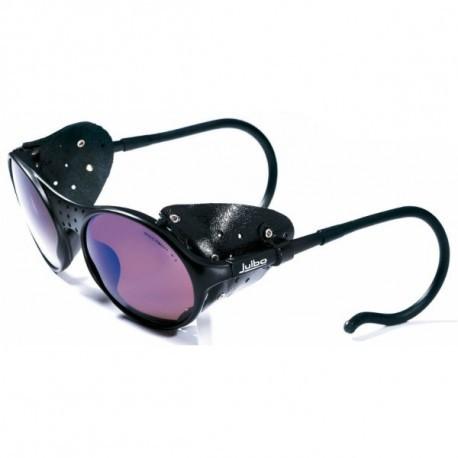
Category 3 sunglasses - Shepra Julbo Spectrom Available
Category 3 sunglasses - Shepra Julbo Spectrom
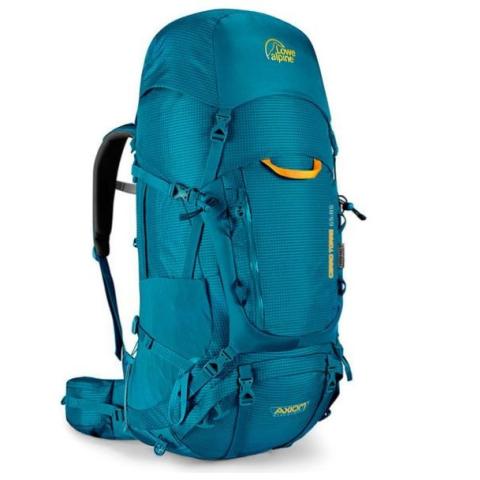
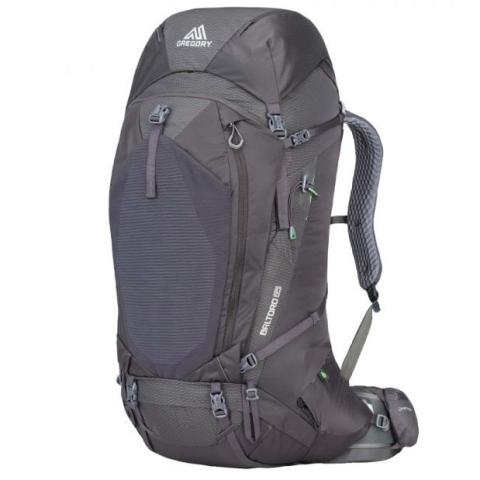
Backpack for trekking and mountaineering - Woman Available
Backpack for trekking and mountaineering - Woman

Do you have doubts?

If you have questions about this adventure, we look forward to hear from you!

Huayna Potosi - 6088 masl- Titikaka - Prqueño Alpamayo - Cordillera Real - Bolivia

Cell Phone
Formato: 11 1234 5678 (sin 0 ni 15)
Mínimo 4 caracteres para una mejor respuesta 0 / 1000
Tus datos están protegidos y no serán compartidos

¡Message Sent!

We will respond to you promptly, so you can prepare for your next great adventure 🏔️

Average response time: 2-4 hours on business days
Contact via WhatsApp