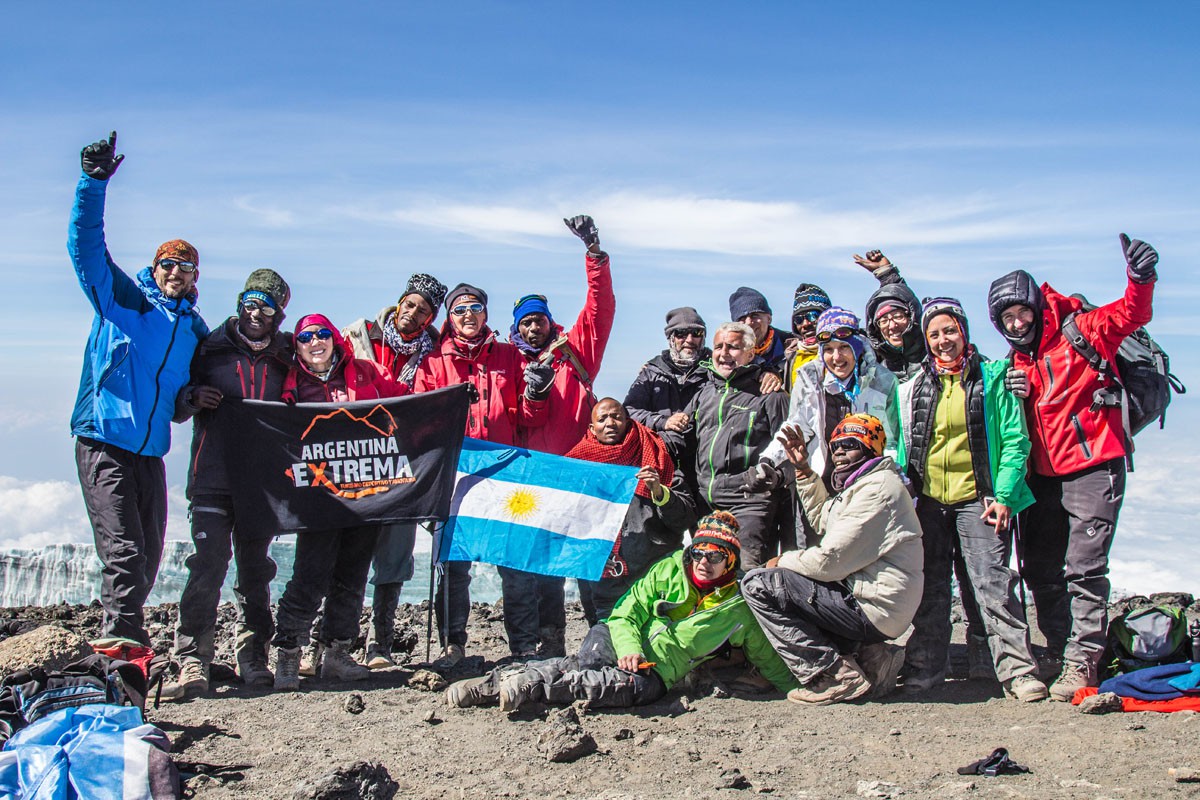
Expedition to the highest summit in Africa. Option to combine with safaris and other adventures
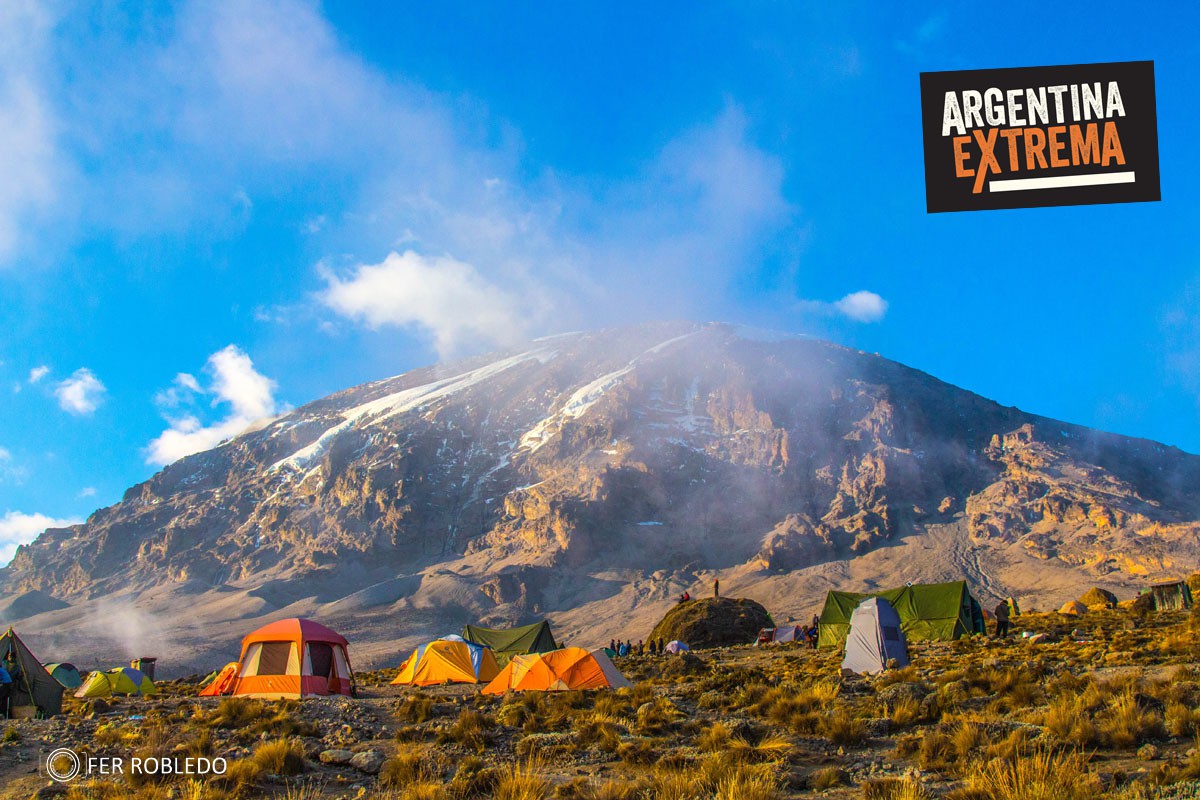
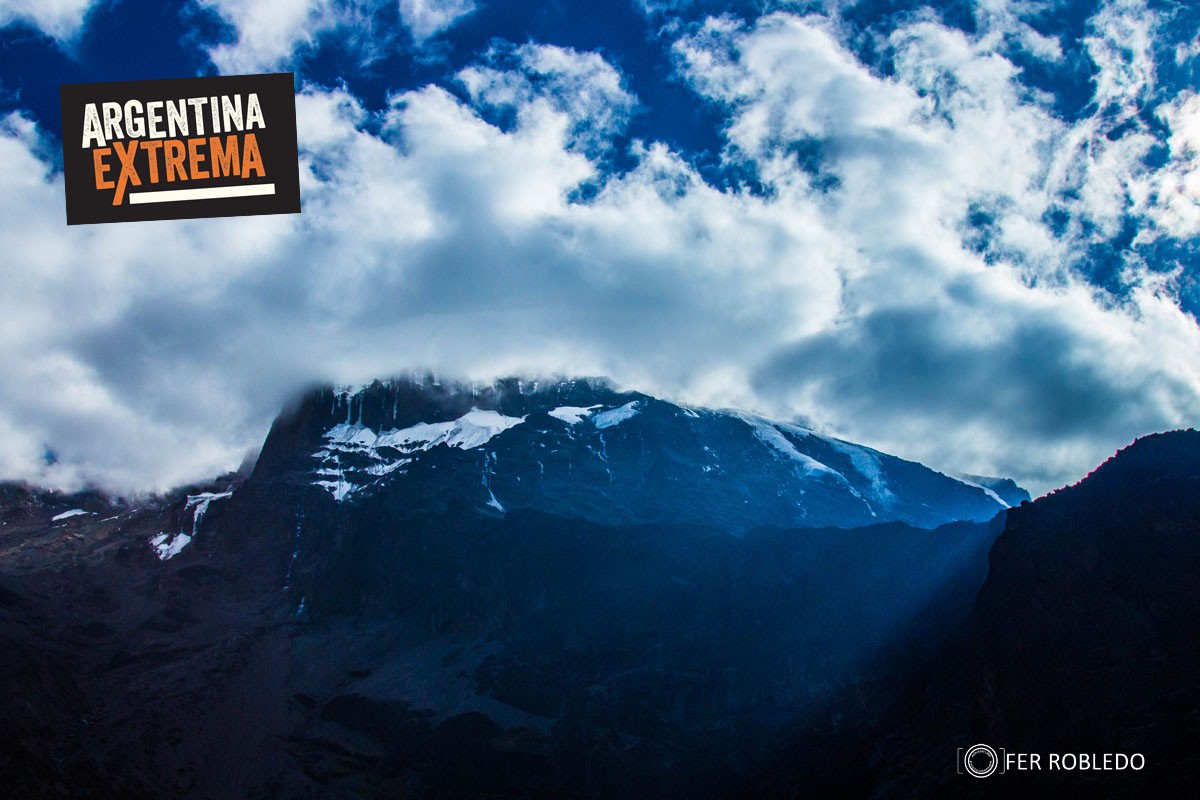
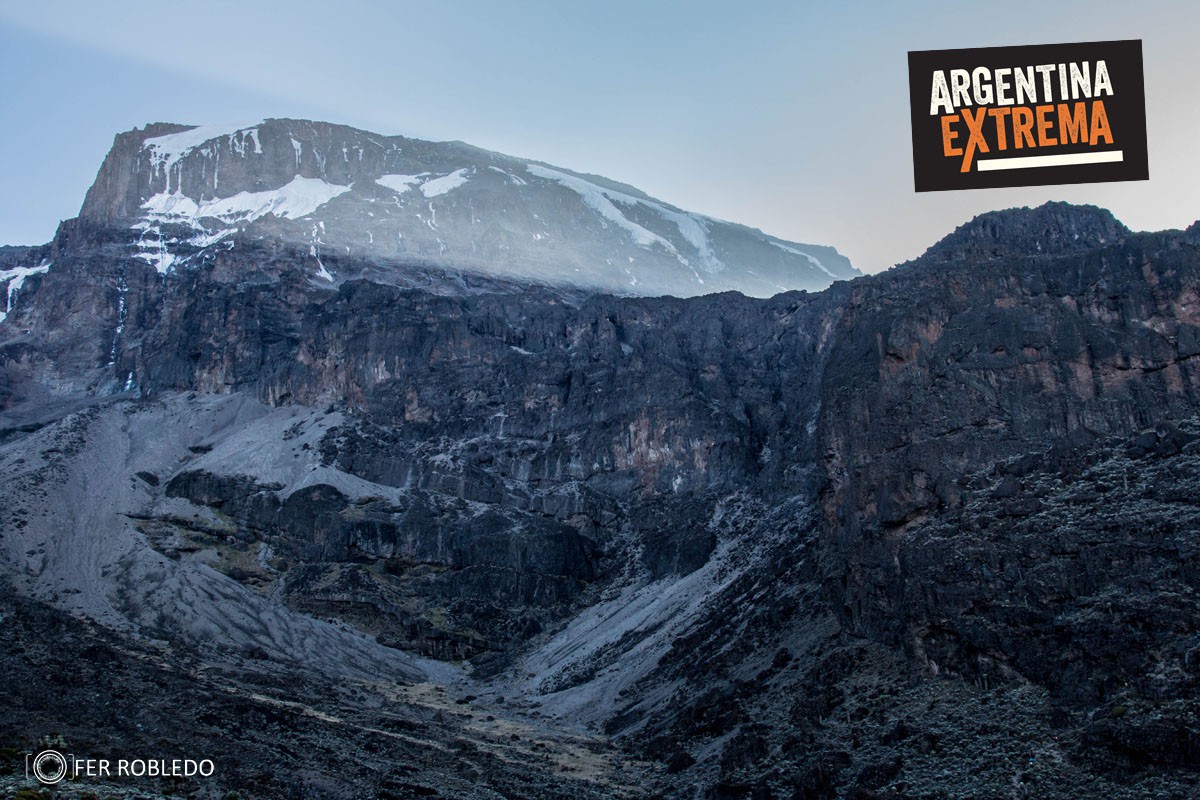
Mount Kilimanjaro is a triple summit volcano located in the northeast of the Republic of Tanzania, very close to the border with Kenya, about 300 km south of the equator. It is the highest peak on the African continent and therefore forms part of the group known as the 7 summits (the highest of each continent).
We propose a unique trip, accompanied by a guide-coordinator from Argentina, to attempt to reach the summit of Kilimanjaro (at Uhuru Peak of Kibo) at 5895 masl. And there is also the possibility of taking advantage and extending the trip to visit the wonderful surrounding national parks with unique fauna in the world and perhaps carry out some other adventure like rafting and safaris in all-terrain vehicles.
How to travel:
We will advise you on the best way to get to Kilimanjaro and the flights that suit you best.
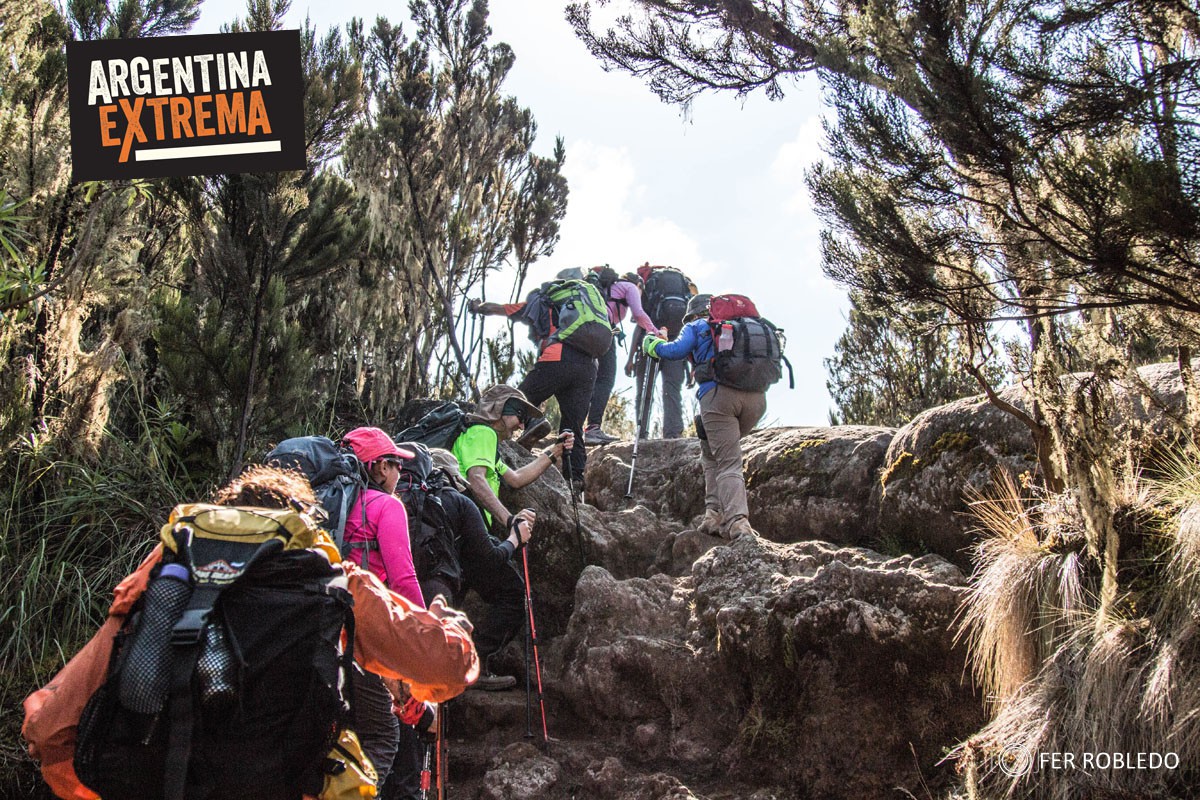
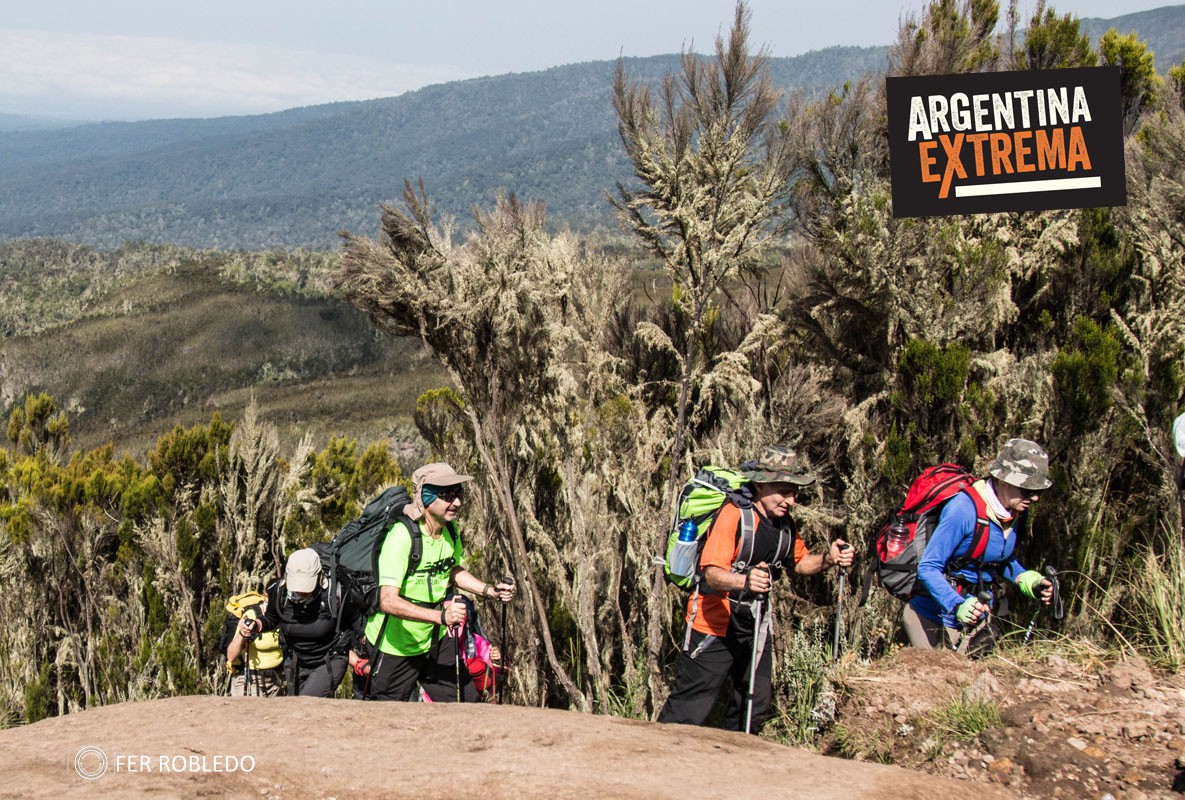
The Machame route is the second most used to reach the summit of Kilimanjaro and is considered one of the most beautiful routes, which is why the number of people using this route grows every year. The greater difficulty of this route has motivated Machame to be nicknamed the "Whiskey" route compared to the Marangu route or "Coca-cola" route, which is the more direct one, passing through refuges but which has little chance of acclimatizing well.
Travel and meeting: Recommended flight: the idea is to issue flights to leave Buenos Aires 2 days before. Also if you can arrive one day before the proposed meeting day (day 1).
Optional: Photo Safari Serengeti - Ngorongoro - Manyara (for more info, click on the title) - see price here with both programs
We will stay for a 4-day safari through the Serengeti and Ngorongoro National Parks, an incredible experience sleeping in tents and making incursions in four-wheel drive vehicles through the heart of the savanna.
Stay a few more days to take safari excursions to nearby national parks, such as Ngorongoro, Serengeti and Selous (see comment below, in Note). Or Zanzibar beach.
See Serengeti / Ngorongoro Photo Safari program
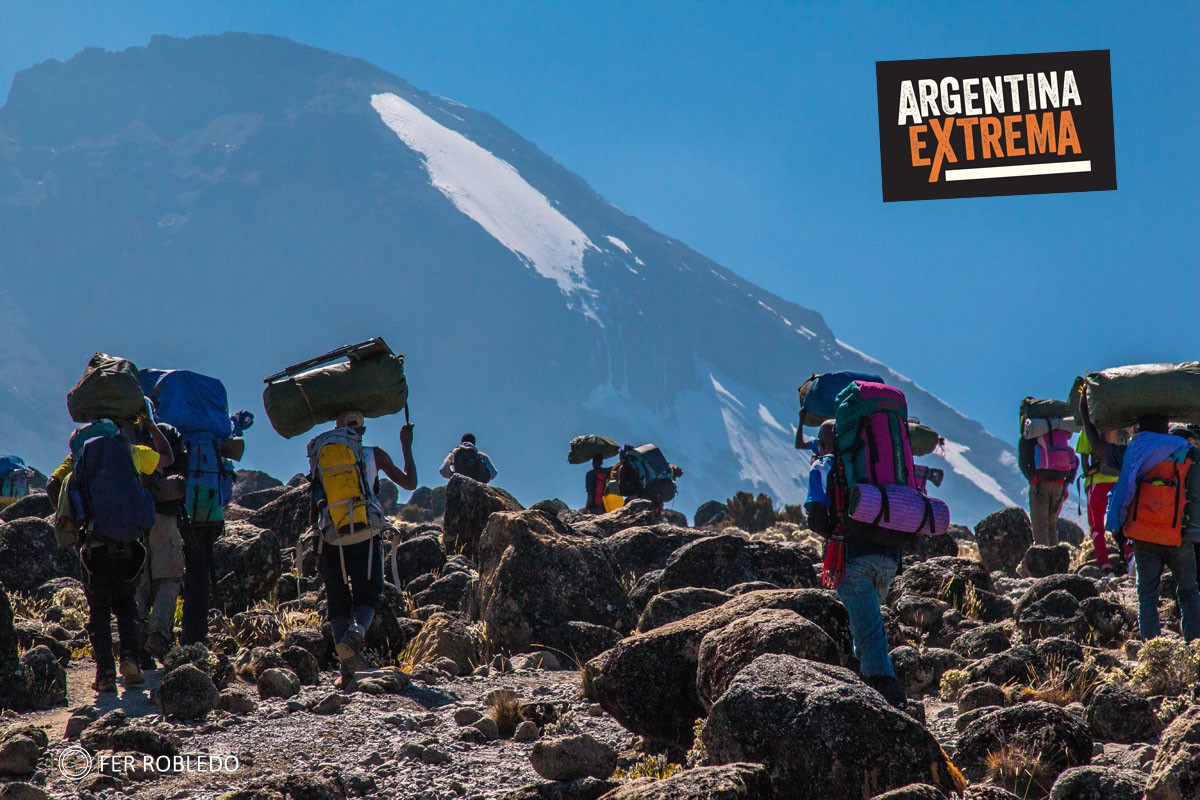
This is an expedition departure to a high mountain peak, with the addition of traveling with a guide-coordinator from Argentina and having good camping service, meals and equipment porters. Nevertheless, it is advisable to prepare adequately and have previous experience in ascents and/or LR (long distance) trekkings.
Malaria in Tanzania: Yes, throughout the country and all year round, in areas below 1,800 meters, including all natural parks and usual tourist areas. In the city of Dar es Salaam the risk is lower. On the island of Zanzibar there is risk all year round.
1. Mosquito bite protection.
Recommended repellents:
a.Relec Strong®.
b.Autan®.
2. You must NOT travel without taking malaria prophylaxis. Recommended and prescribed by a doctor.
Recommended prophylaxis:
a. Malarone® (atovaquone/proguanil).
b. Lariam® (mefloquine).
c. Vibramycin® (doxycycline).
3. Yellow fever vaccine: Yes, you must get vaccinated. MANDATORY AND CARRY CARD (yellow fever vaccine information).
Other recommended vaccines:
1. Hepatitis A.
2. Typhoid fever.
3. Tetravalent meningococcal meningitis.
4. Tetanus/diphtheria.
Secondarily:
5. Rabies.
6. Cholera.
7. Hepatitis B.
The public health system has Travel Medicine centers that offer advice to travelers free of charge. This does not include recommended vaccines, unless they are offered by the state, such as yellow fever, adult double, and triple viral.
In the Autonomous City of Buenos Aires, it operates at the Francisco J. Muñiz Infectious Diseases Hospital, Uspallata 2272, the CEMPRA-MT, Travel Medicine and Tropical Medicine service. Phones: 4304-5554/2180, 4305-0357, extension 231. Monday to Friday from 8:30 to 12:30 hours. Telephone or in-person appointments are given. Email: cempramt@intramed.net
At San Martín Hospital, Street 116 between 69 and 70, La Plata, CEMEVI operates. Telephone appointments must be requested Monday to Friday at (0221) 425-1717 extension 217.
In the private sector, travel medicine centers also operate in the Italian, British, German hospitals, and Dr. Stamboulian Health Center. There are other private institutions that provide this service, which are referred through consultation with the corresponding medical insurance.
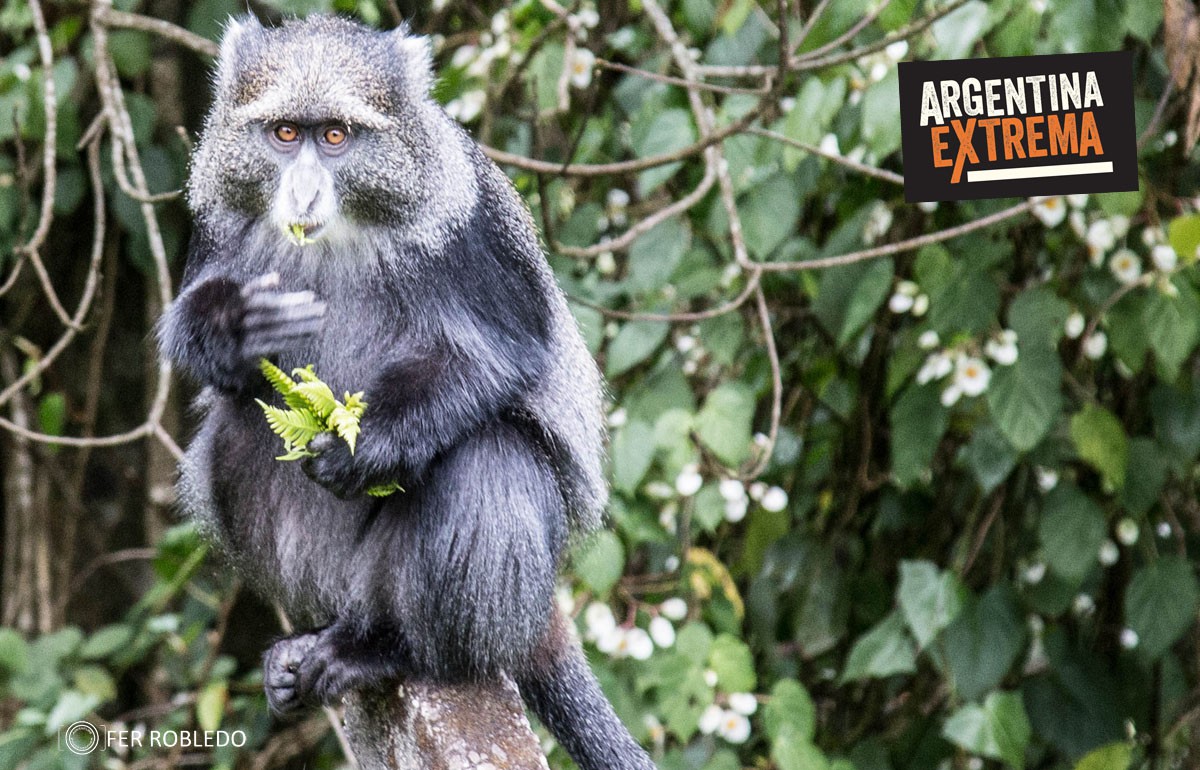
Tanzania is a destination for an unparalleled Safari. The statistics speak for themselves: a quarter of the territory is protected, led by Serengeti National Park, the Ngorongoro Conservation Area and the incredible Selous Reserve, in addition to a rich mosaic of areas that means 20% of the total population of large African mammals live in its territory.
But Tanzania (union of Tanganyika with Zanzibar), which in addition to Mount Kilimanjaro and Mount Meru which are respectively the first and fifth highest summits in Africa, has lakes like Victoria, Tanganyika and Natron, the three largest in the Continent. And also the magic of islands like Zanzibar, pearl of the Indian Ocean with dreamlike beaches and fabulous places for diving.
The surprising variety of Tanzanian fauna goes hand in hand with the cultural diversity of its numerous ethnic groups: the MASAI of the Rift Valley, the HADZABE hunter-gatherers of Lake Eyasi, the BUSHMEN or the DATOGAS.
Grading of this ascent: M2-F4-T2-P3-A3
In our trekking programs, trekking traverses and mountaineering/climbing, we have defined the grading from 1 to 5, in the four points that we consider determining: backpack, physical, technical and psycho (Psychological).
Backpack (M): This point has to do with the weight we must carry in our backpacks. Trekkings or traverses where we have pack animals allow us to carry less weight on our backs. And multi-day traverses in Patagonia (without the option of having pack mules), generally make us carry more weight, especially in the first days.
Physical (F): We consider physical demand to be the wear we can suffer both aerobic (climbs = possible shortness of breath) and muscular (endurance = many hours walking) and joints (descents = knees / ankles).
Technical (T): Technical difficulty is mainly based on terrain. How much it can cost us to climb a slope, if it is very steep or if we have to use our hands in some section (simple climbing), both on rock and on snow-ice, or materials like crampons and ice axes in other ascents.
Psycho (P): We maintain that this point, the psychological factor, especially in ascents, represents a relevant factor. Each one needs a factor of conviction, confidence, self-control and willpower to be able to achieve an objective. And according to the attitude with which we face distances, elevation changes, terrain and so many other objective factors, we can achieve performance with very different results.
Altitude (A): It is the factor that altitude above sea level influences us based on the activity we perform. Managing and overcoming symptoms caused by altitude is the key to this point.
Thus, in two-day outings we can have examples of:
1- the classic trekking with ascent to Cerro Tres Picos in the Sierra de la Ventana in Buenos Aires province, with round-trip trekking and one night in the mountains camping, we can give a rating of: M2-F1-T1-P1-A1
2- the classic ascent to Lanin Volcano, in Neuquén, with one night in refuge or tent, by the normal route: M2-F4-T2-P3-A2
And in 5-day to full week outings, we can have examples of:
1- Circuit and ascent to Nevado de Chañi, Jujuy-Salta, with mule portage
a) Trekking without summit attempt: M2-F3-T1-P2-A3
b) Trekking with summit ascent (the difference is marked only on summit day): M3-F4-T3-P4-A4
2- Trekking Andes Crossing via Vuriloche Pass, Patagonia: M5-F3-T1-P2-A1
As long as you are physically fit and can adapt to a high-altitude hiking expedition, there would be no problem. Except for summit day, it is a high-altitude trekking.
We advise you on the flight, which has numerous stopovers, via South Africa or via Qatar. No less than 36 hours counting stopovers
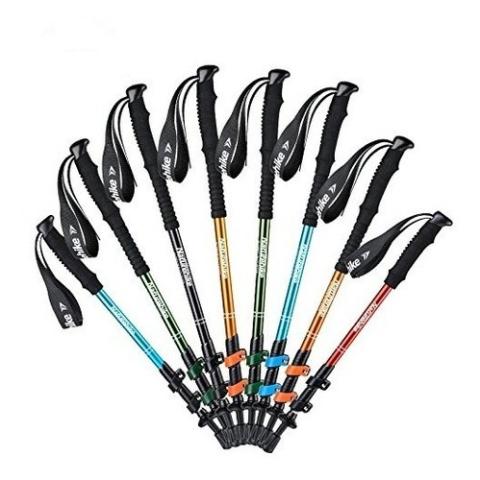
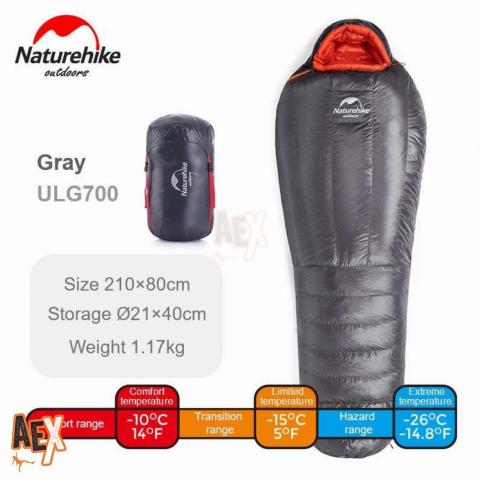
We will advise you about it. Read our list and let us know. You can rent sleeping bag and poles from us mainly.
About 6 hours per day and summit day is the most demanding, with approximately 15 hours of activity.
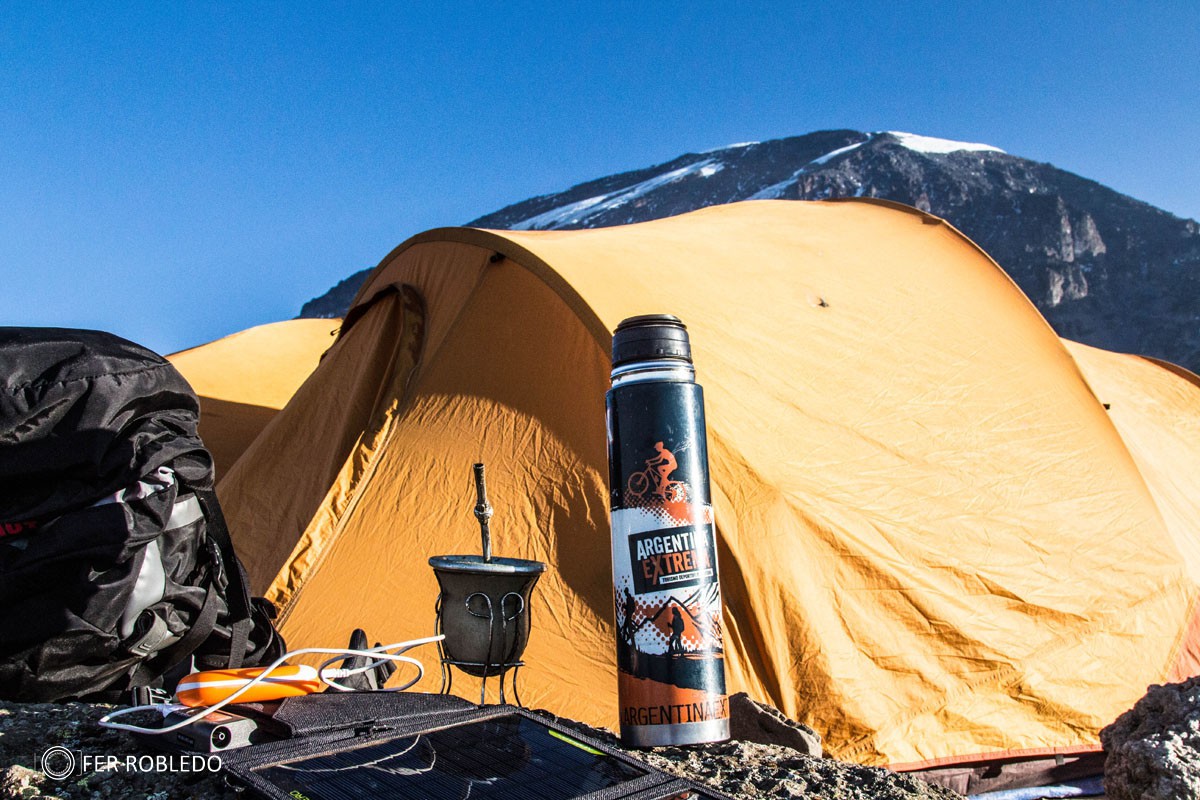
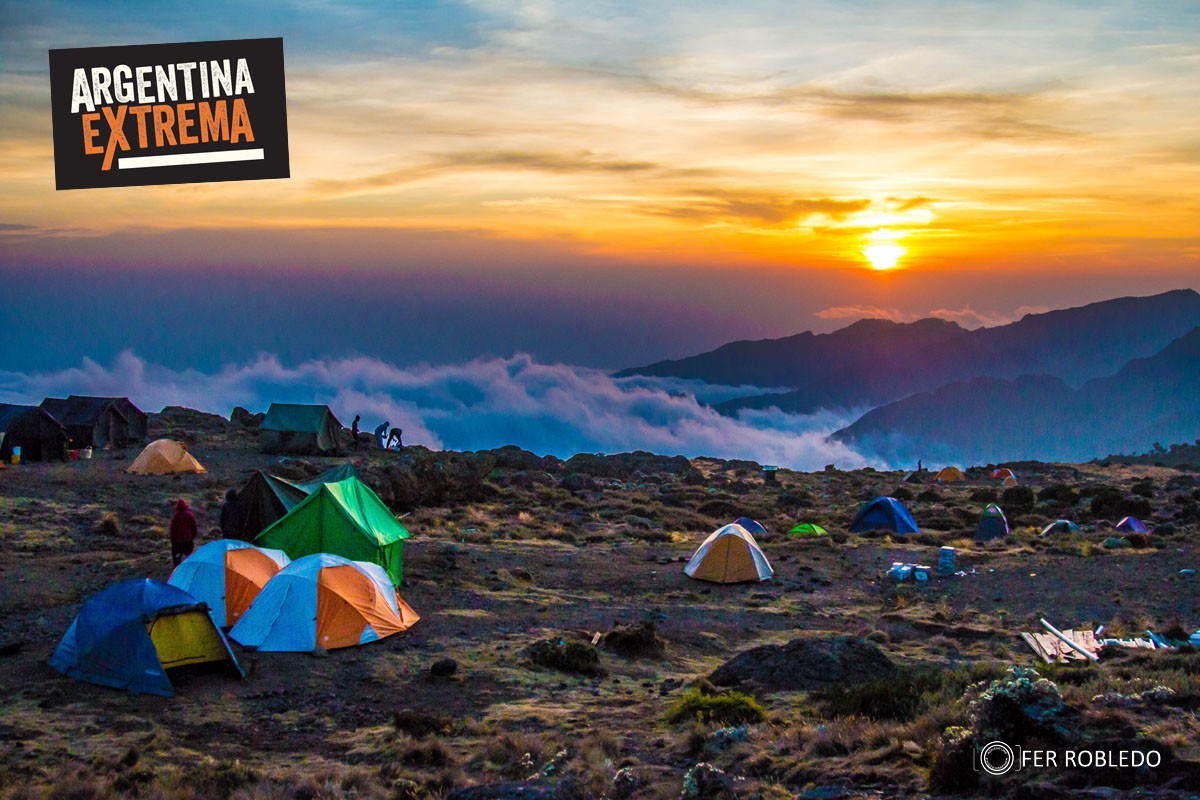
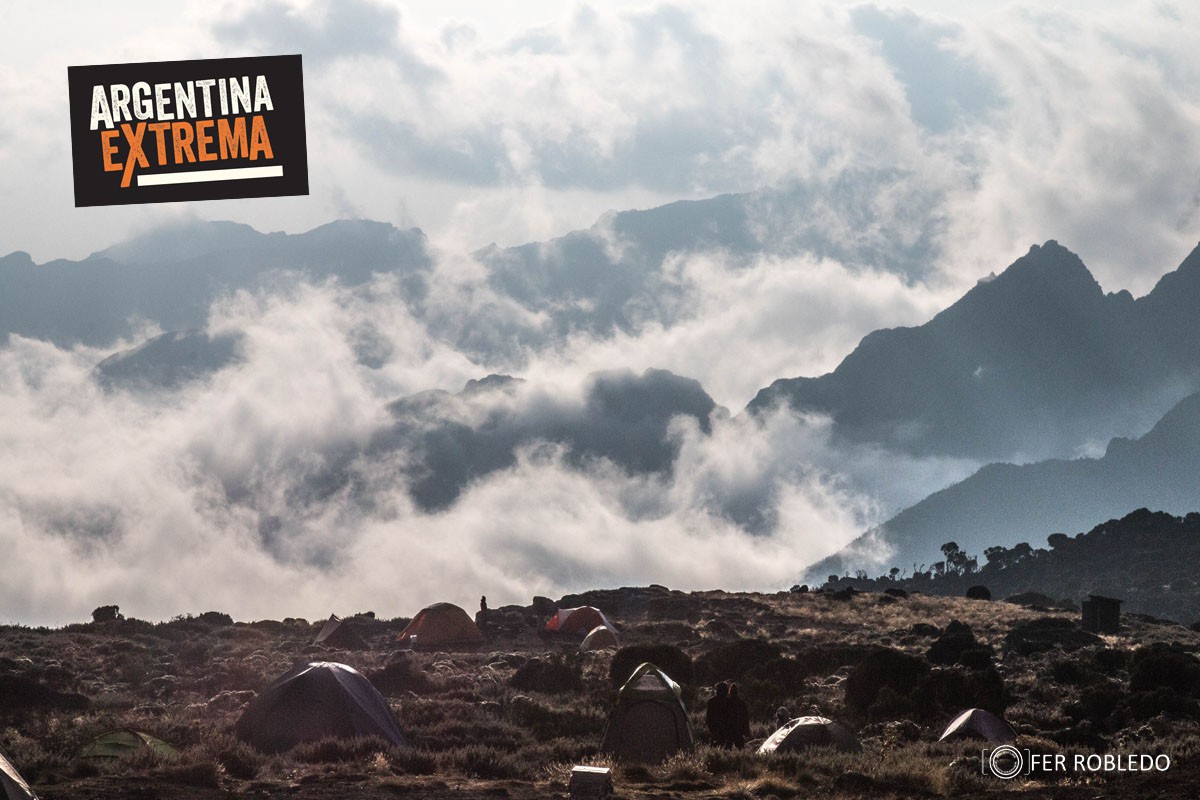
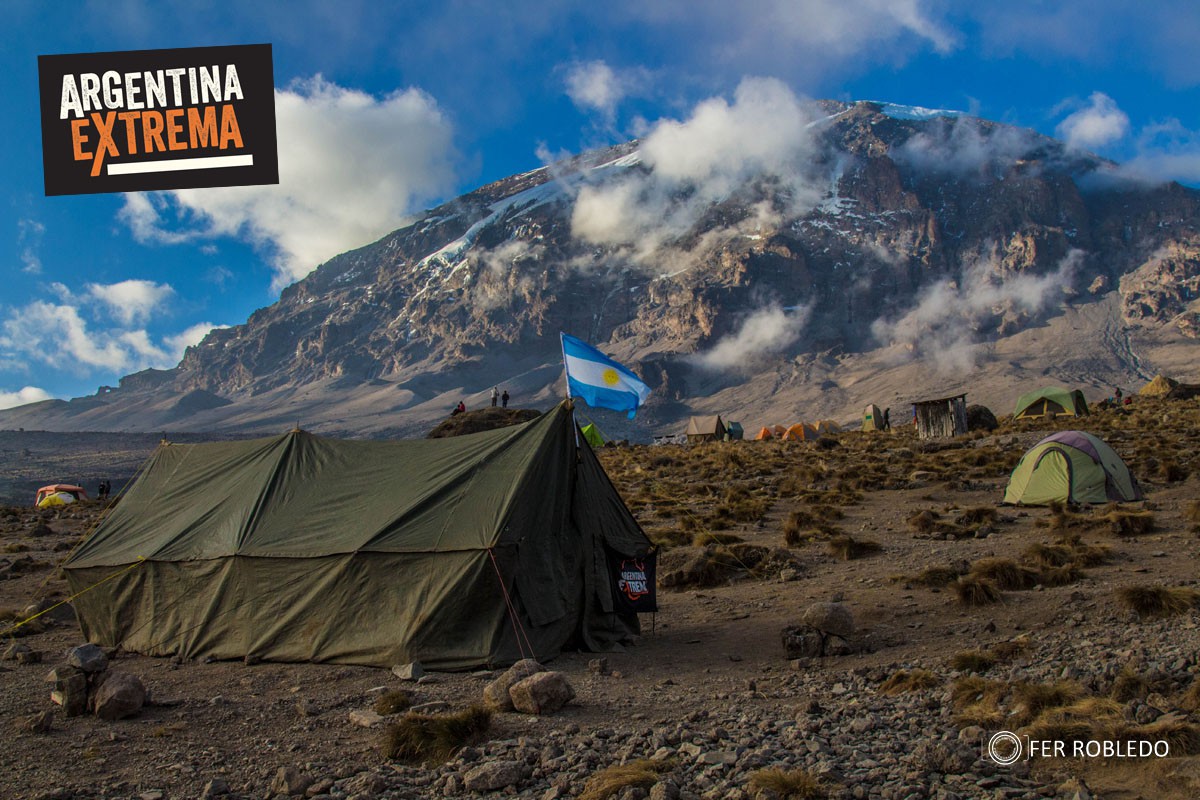
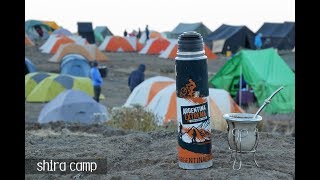
Overnight stays are in mountain camps in igloo-type tents, comfortable and for 2/3 or 4 people. In the camps there are dining and structural tents, to provide greater comfort.
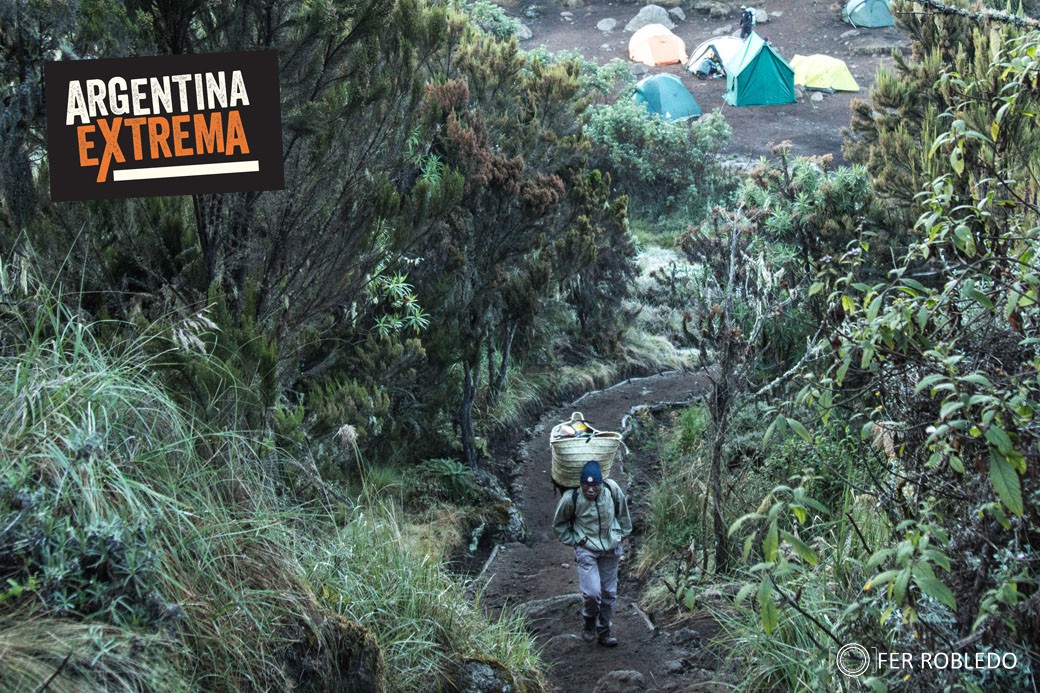
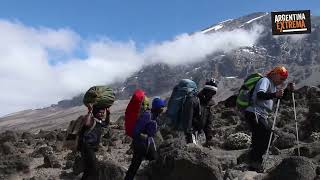
Very little, only the equipment you use each day, the rest is carried by porters.
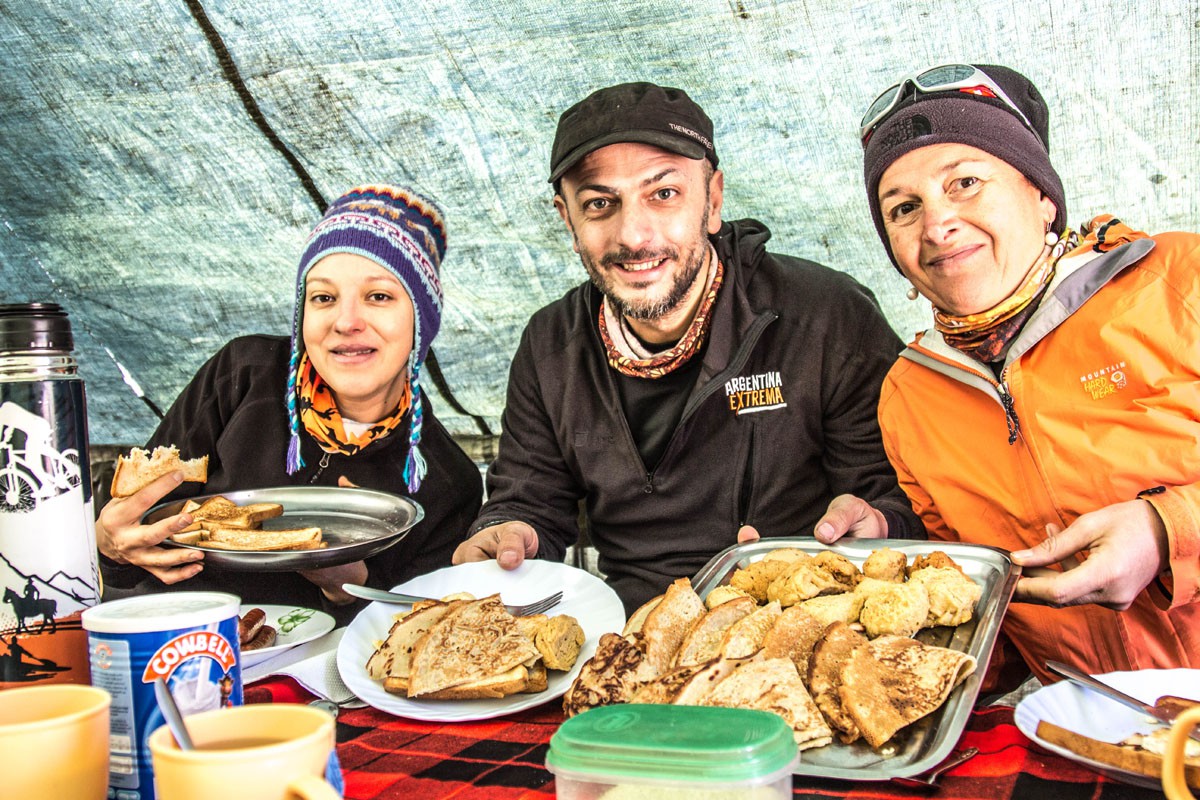
In all our expeditions we provide meal service on FULL BOARD basis.
Here we base ourselves on regional food, which is very complete.
It is necessary to complete the personal/medical form to clarify if someone does not eat some type of food.
Click on each indicator to see details
Backpack: Weight / Duration of the Day.
Physical demand
Technician: Difficulty in the Field / Equipment.
Psychological Strength
Height Exposure
Each aspect is evaluated from 20% to 100%, where:
Previous experience and good physical condition required.
Available
Available
Available
Available
Available
Available
Available
Available
If you have questions about this adventure, we look forward to hear from you!
For an immediate response, contact us via WhatsApp 54 9 1124012278
We will respond to you promptly, so you can prepare for your next great adventure 🏔️