A tour through the heart of one of the most important mountain ranges in the world
Another Dream for thr mountain lover
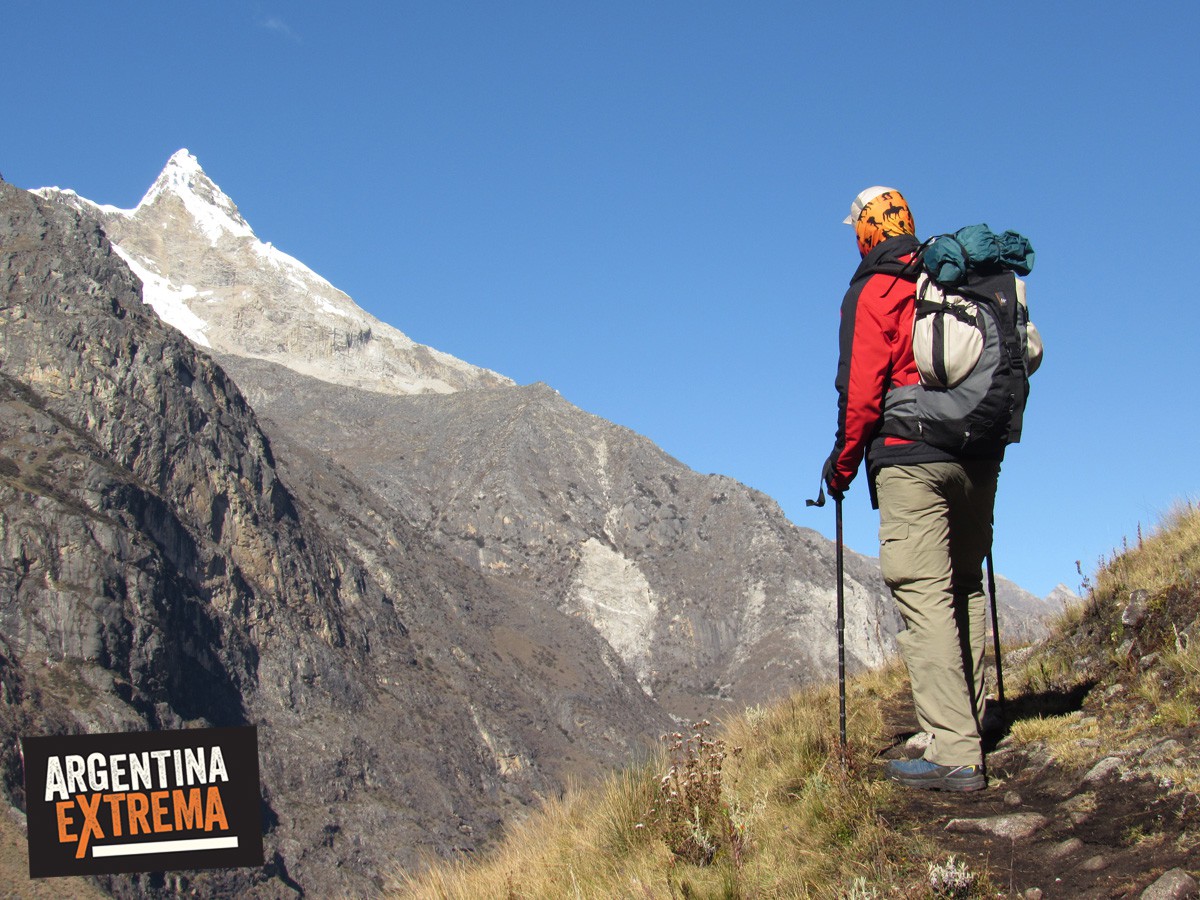
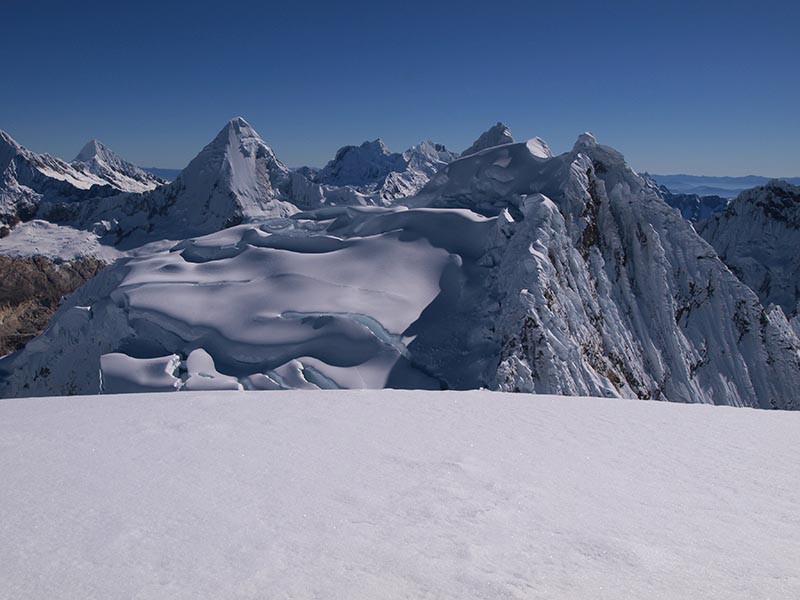
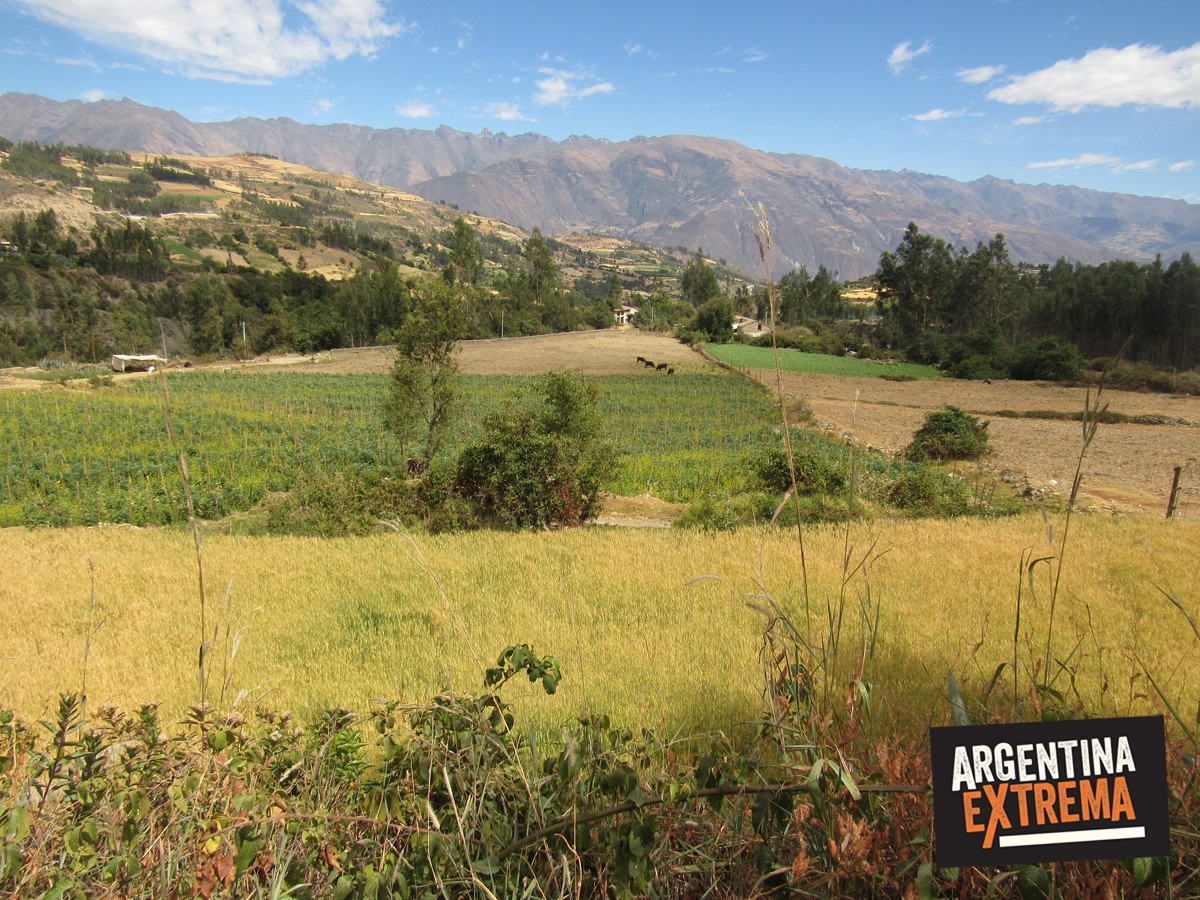
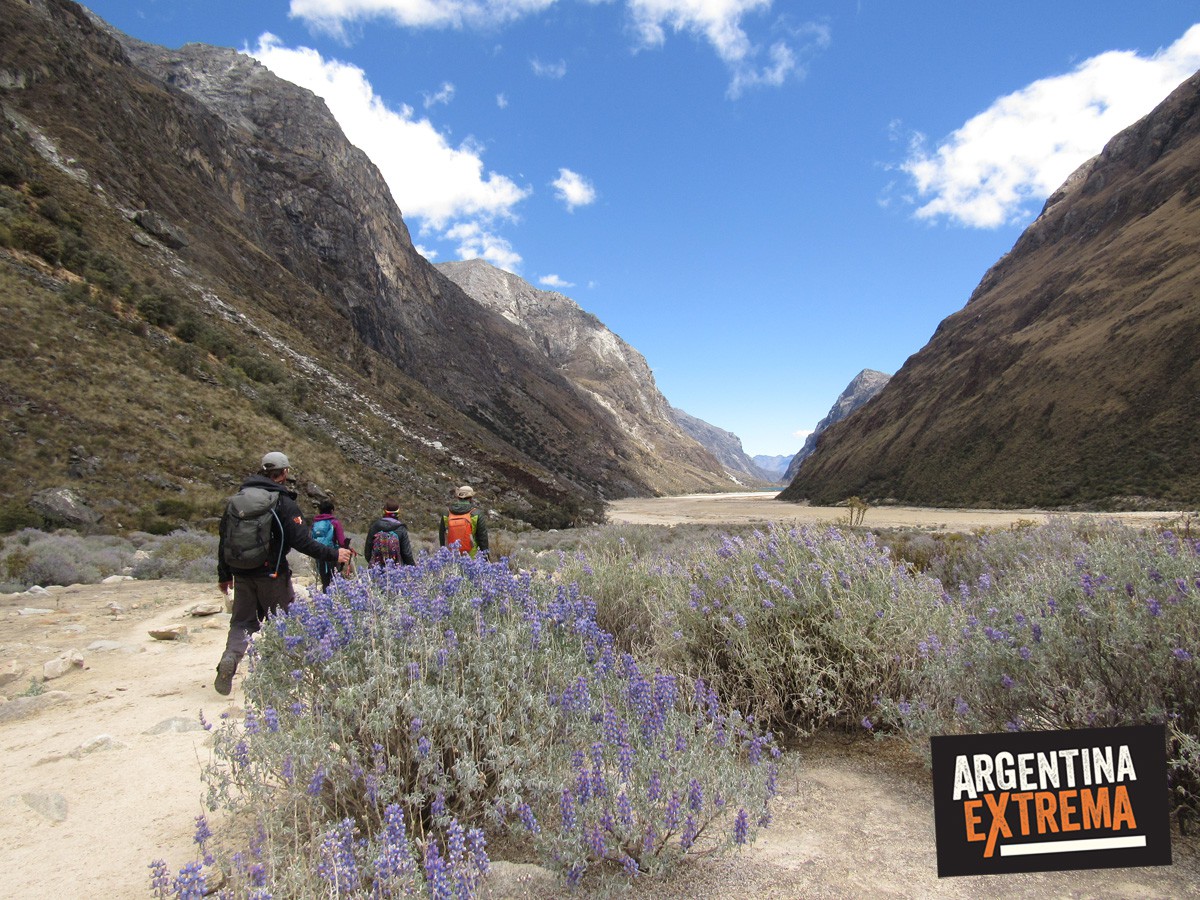
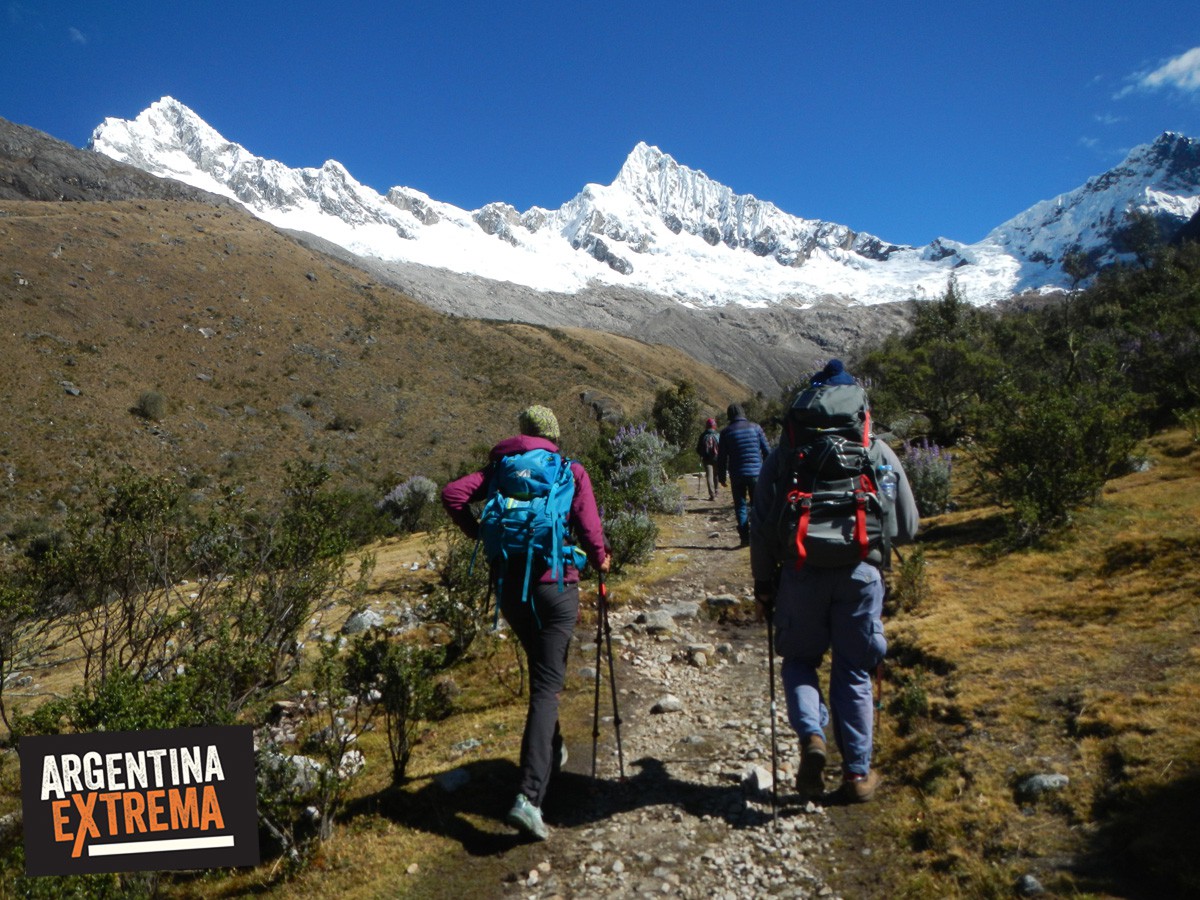
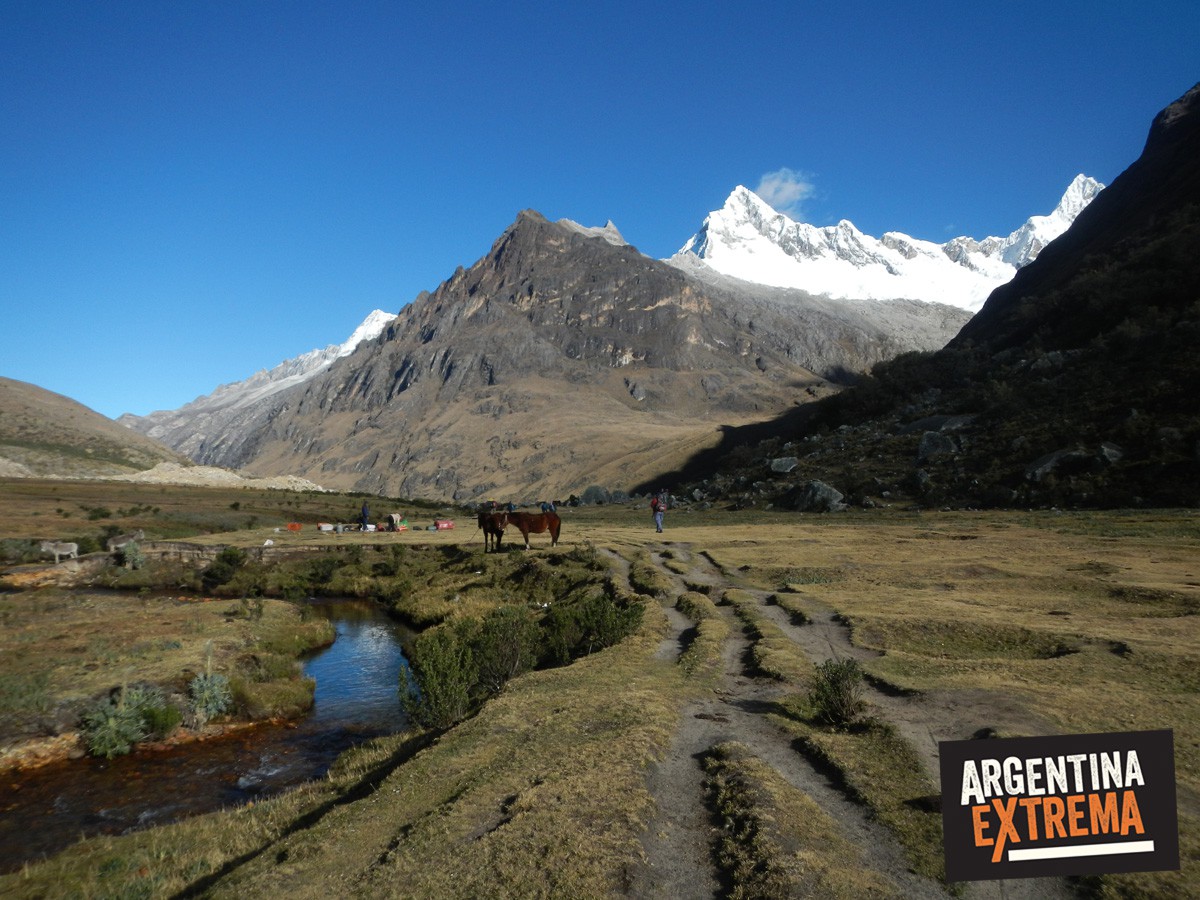
There are places in the world that by simple beauty stand out from the rest. The Cordillera Blanca, located in the center of Peru as part of the great column that represents the Andes. Among the numerous walking tours that can be done in this environment, we propose one of the classics, with the possibility of having animals and porters, so that the enjoyment is maximum. The great landscapes illustrated in green meadows, deep valleys, blue lagoons, white and abysmal mountains, explode in this magical corner of central Peru.
ITINERARY
Day 1. Lima: Meeting in the city of Lima in the afternoon. Free to tour the city. Miraflores neighborhood.
Day 2: Huaraz (3300 masl). Transfer by line bus, from 9 am. With lunch included. Arrival in Huaraz in the afternoon, around 5:00 p.m. Accommodation in hostel in Huaraz, rooms to share. Start of acclimatization, free in Huaraz.
Day 3: Huaraz (3300 masl). Excursion day to be defined, to continue with the acclimatization. Or Free.
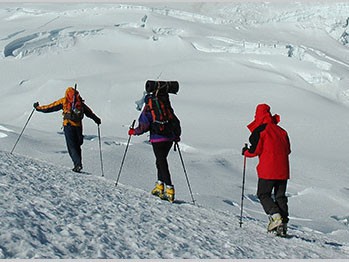
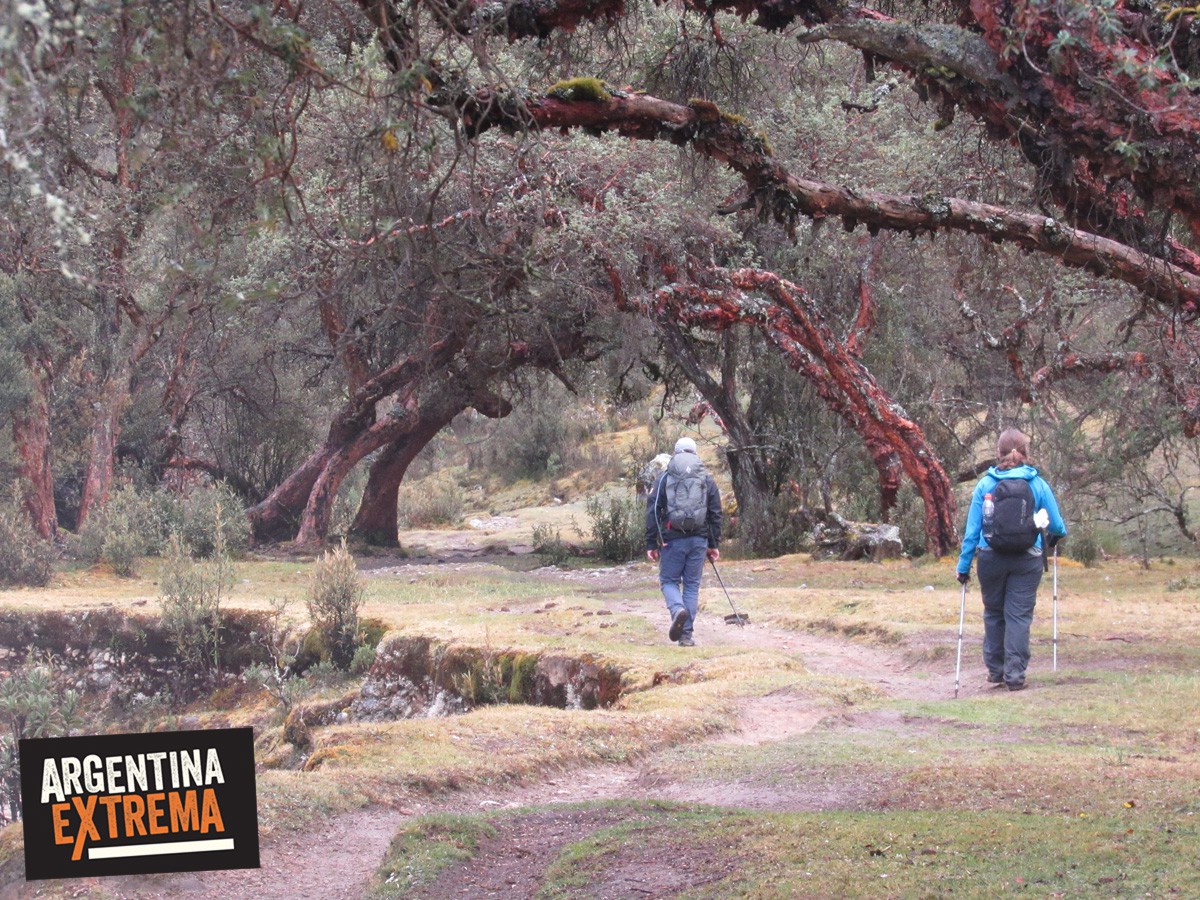
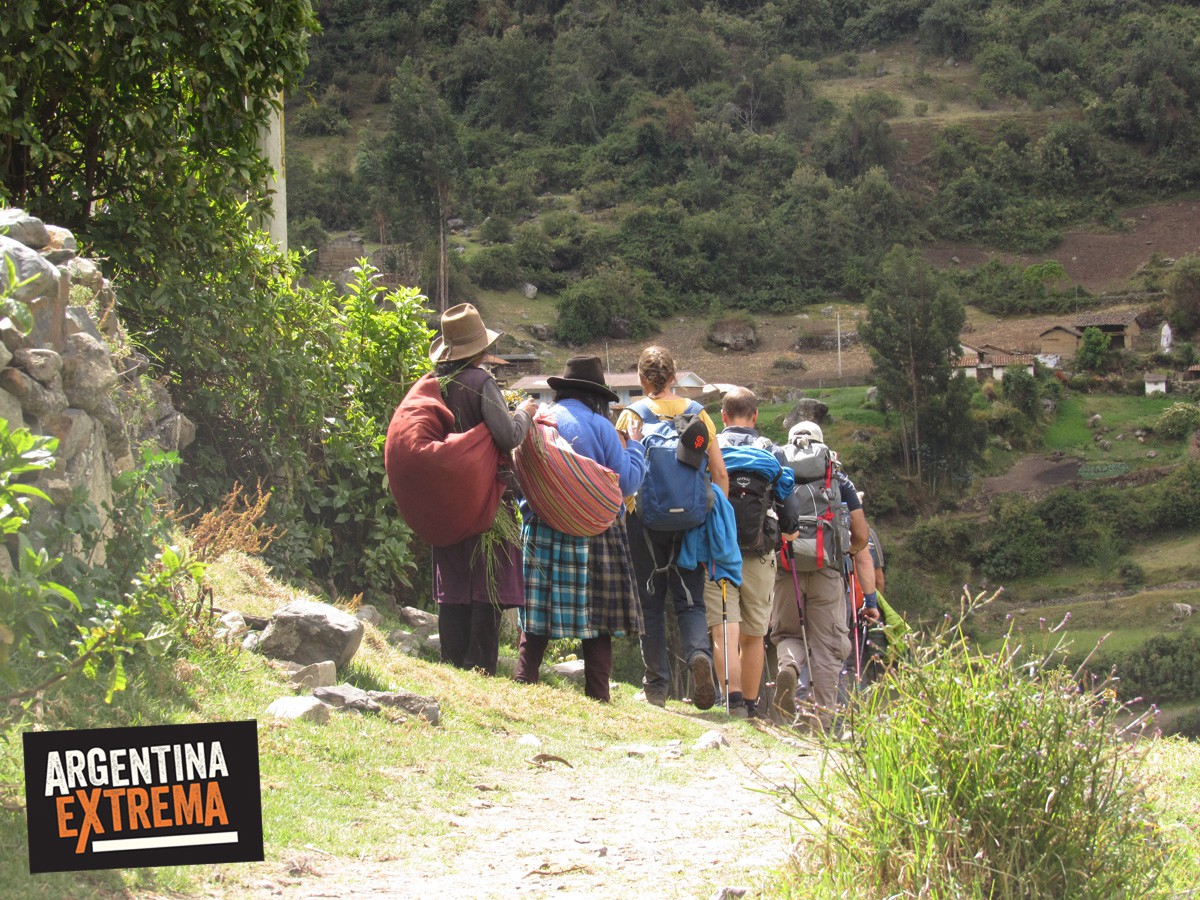
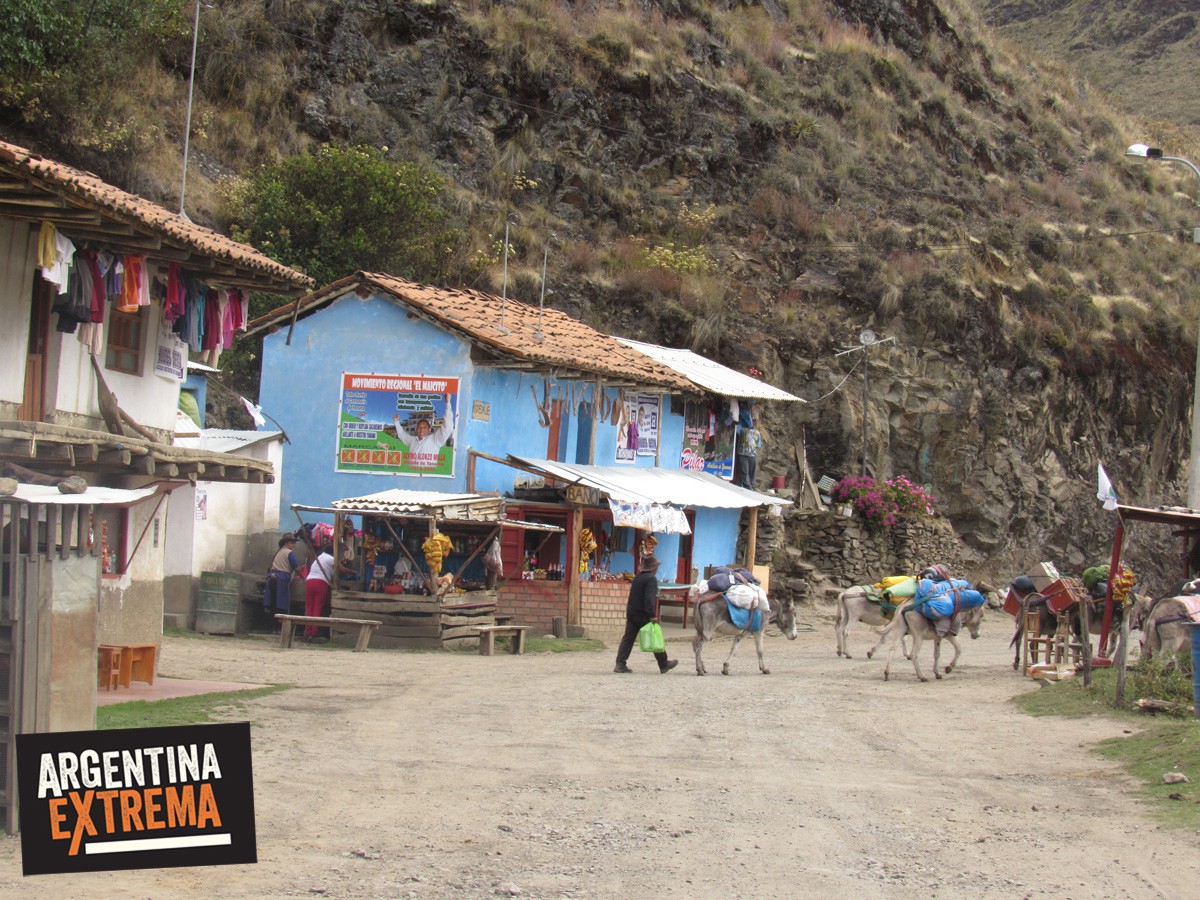
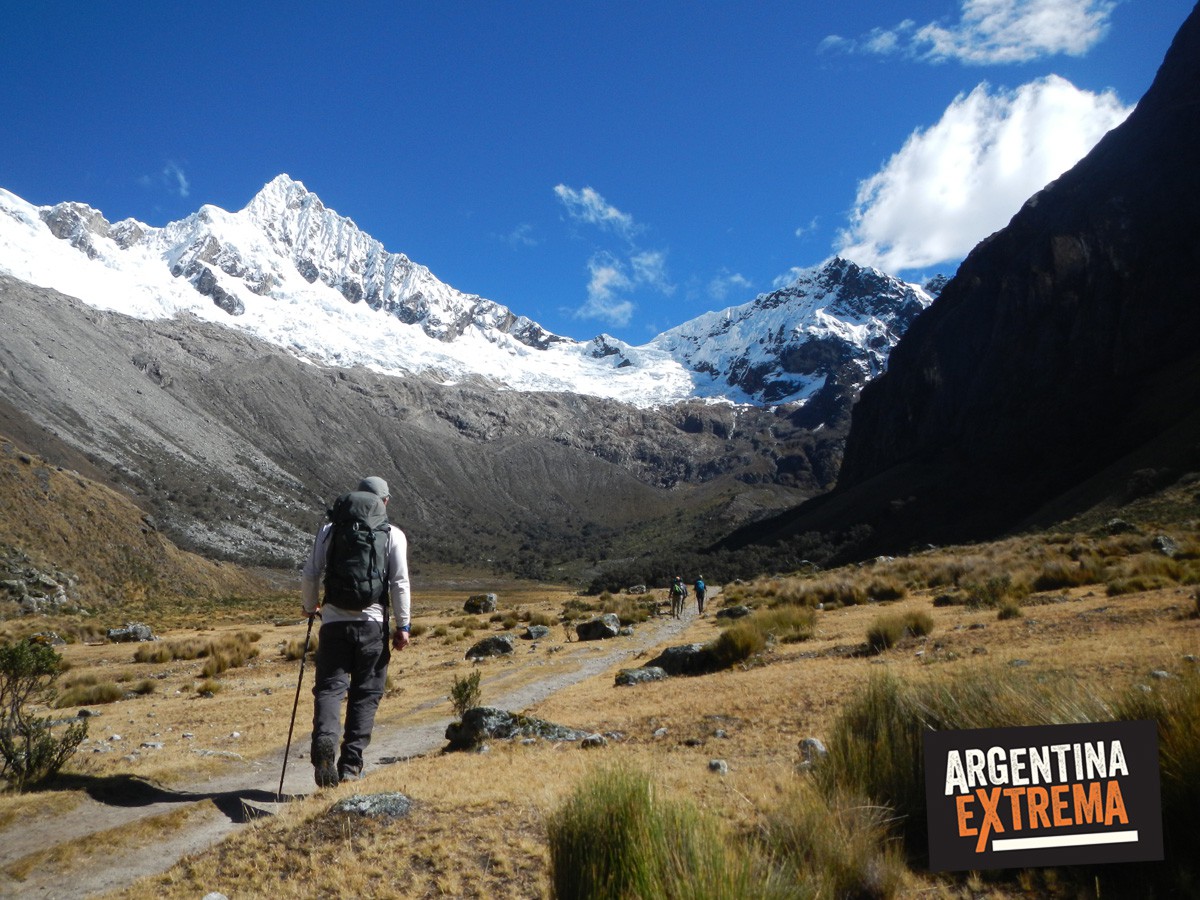
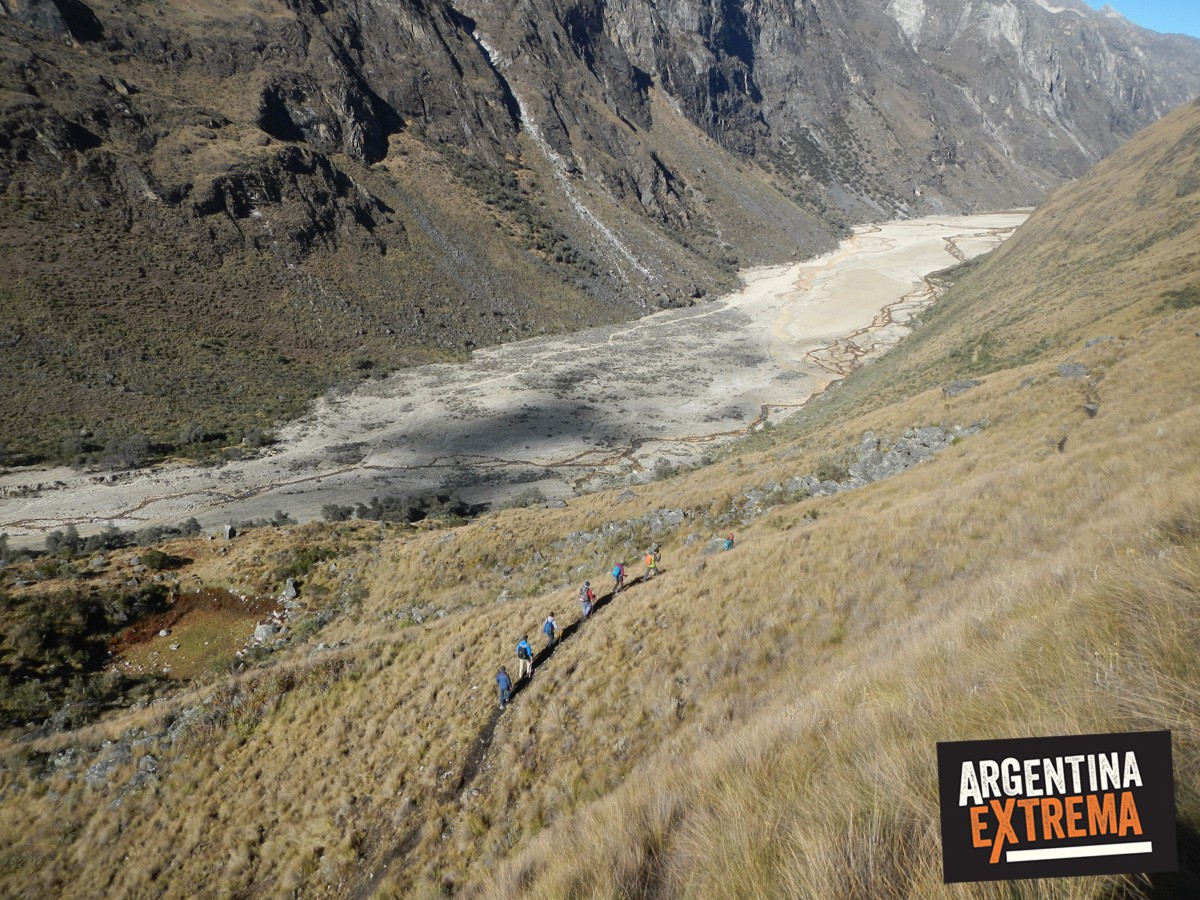
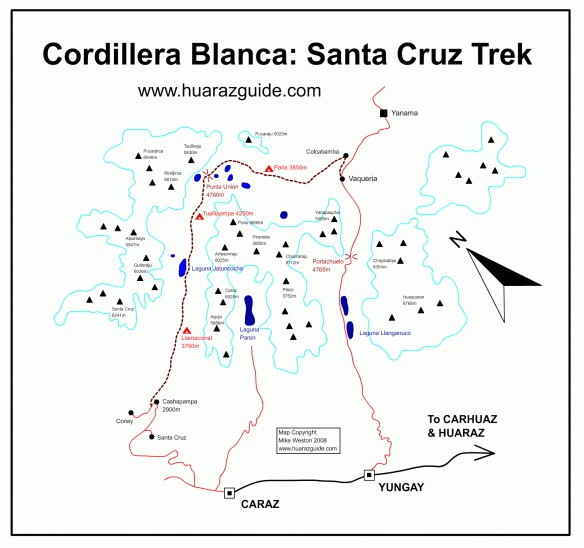
Day 4: First day of trekking. Cashapampa (2970) to Llamacorral (3760 masl). We made a 4-hour trip between the Cordillera Negra and Cordillera Blanca, stopping in the town of Caraz. In this place, donkeys and muleteers await us to transport personal and camping equipment, beginning the walk towards the Santa Cruz ravine. Finally we arrive at our first camp in Llamacorral..
Elevation : + 700 meters / Approximate walking time: 5 hours.
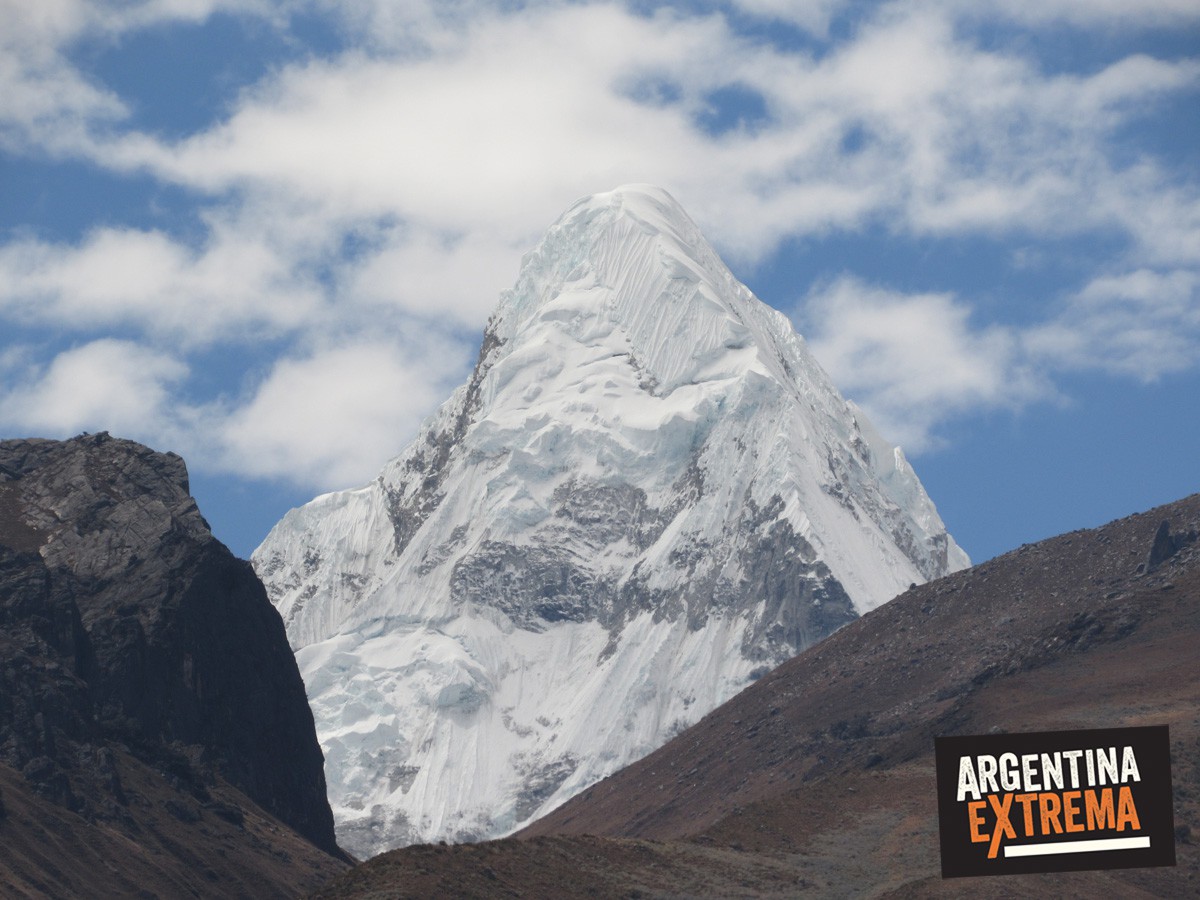
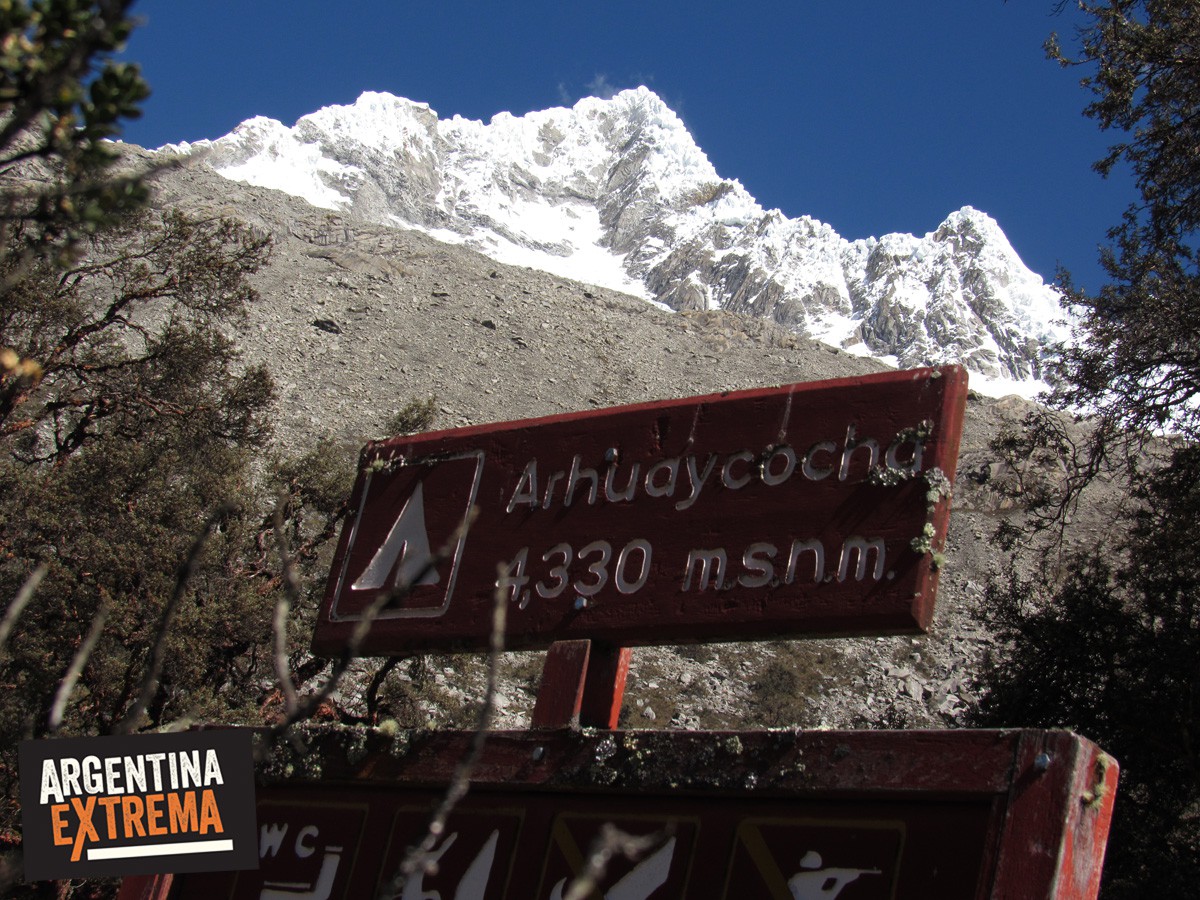
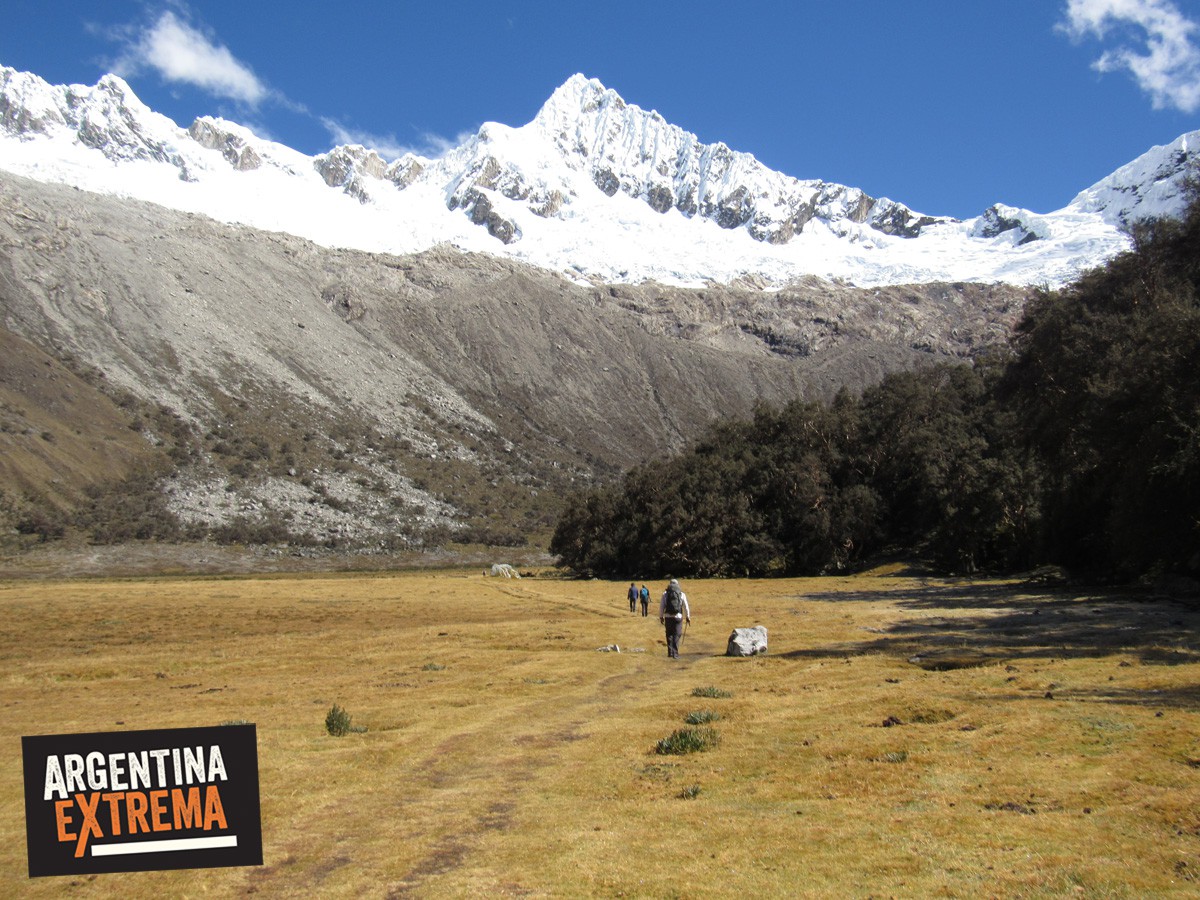
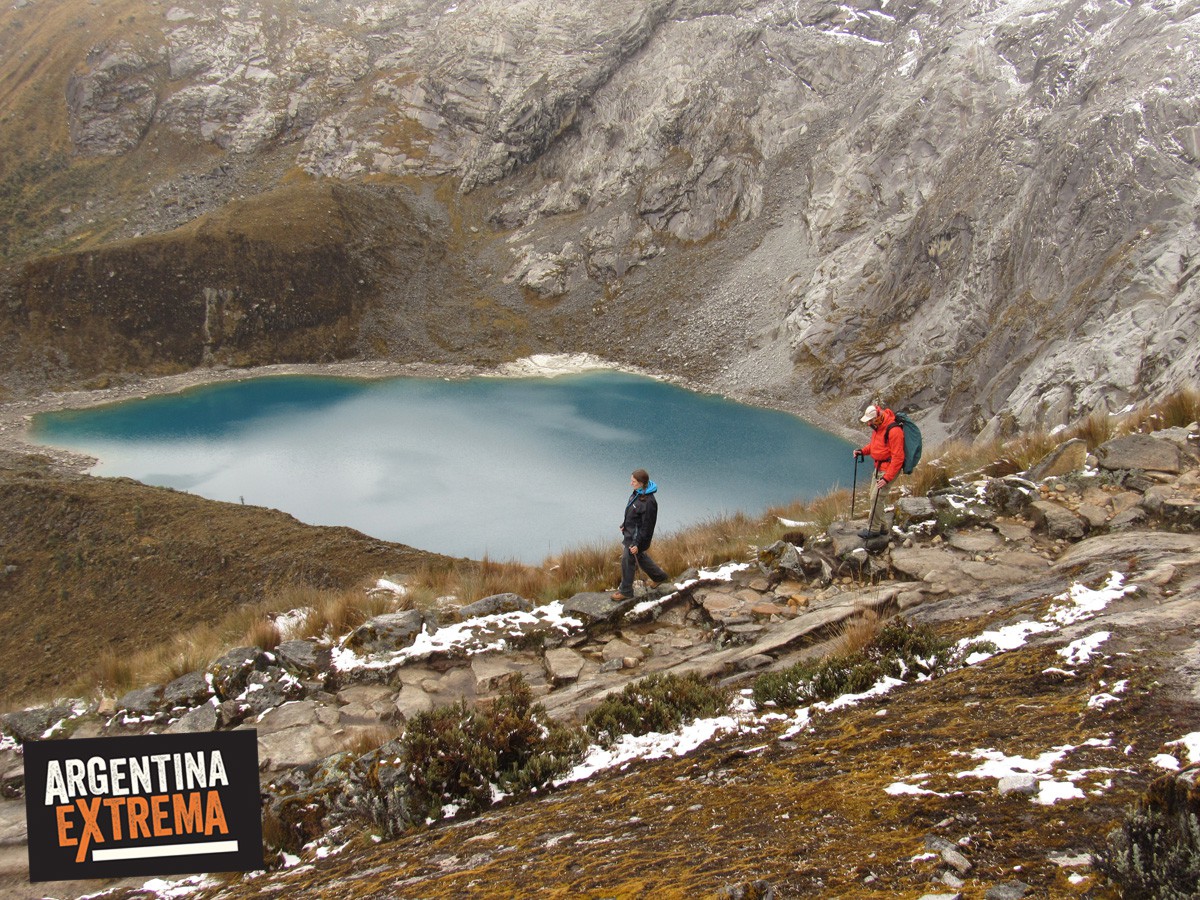
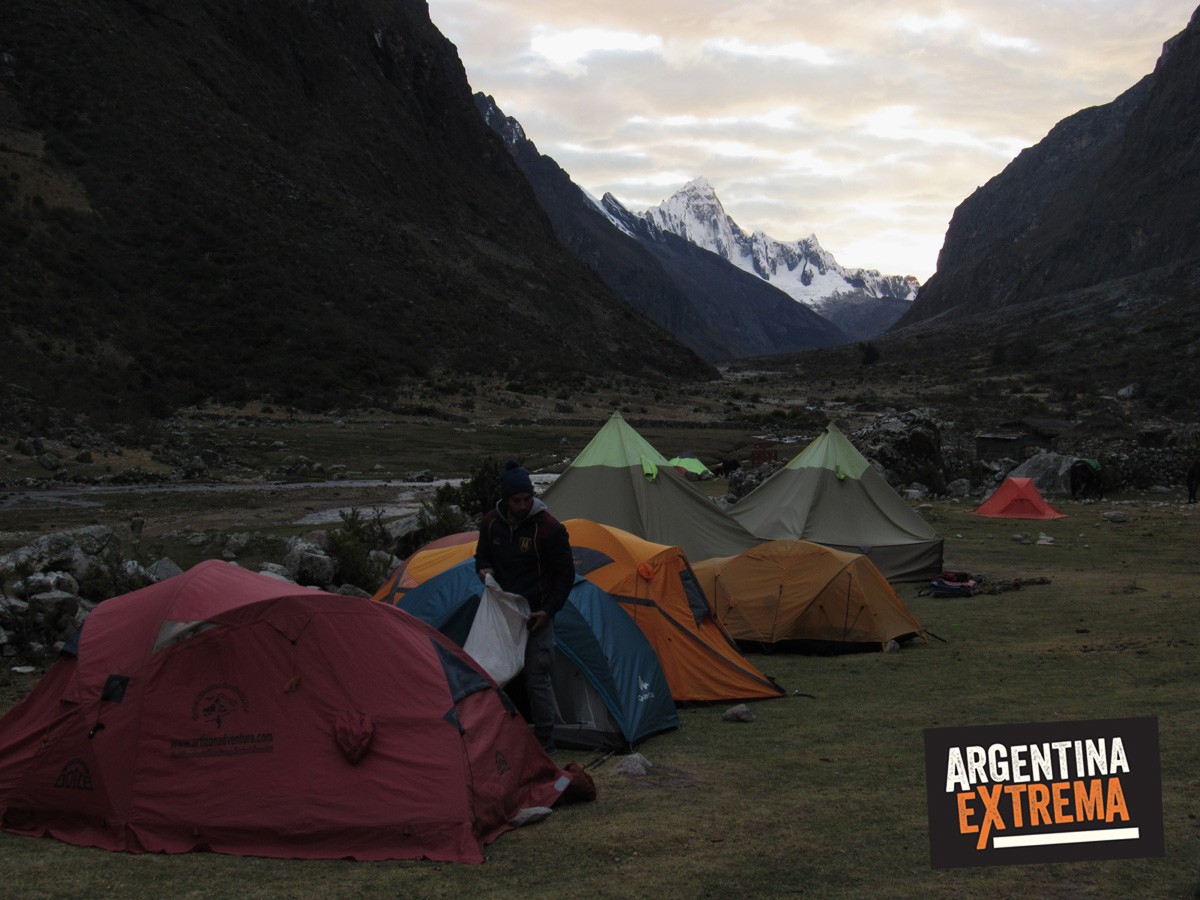
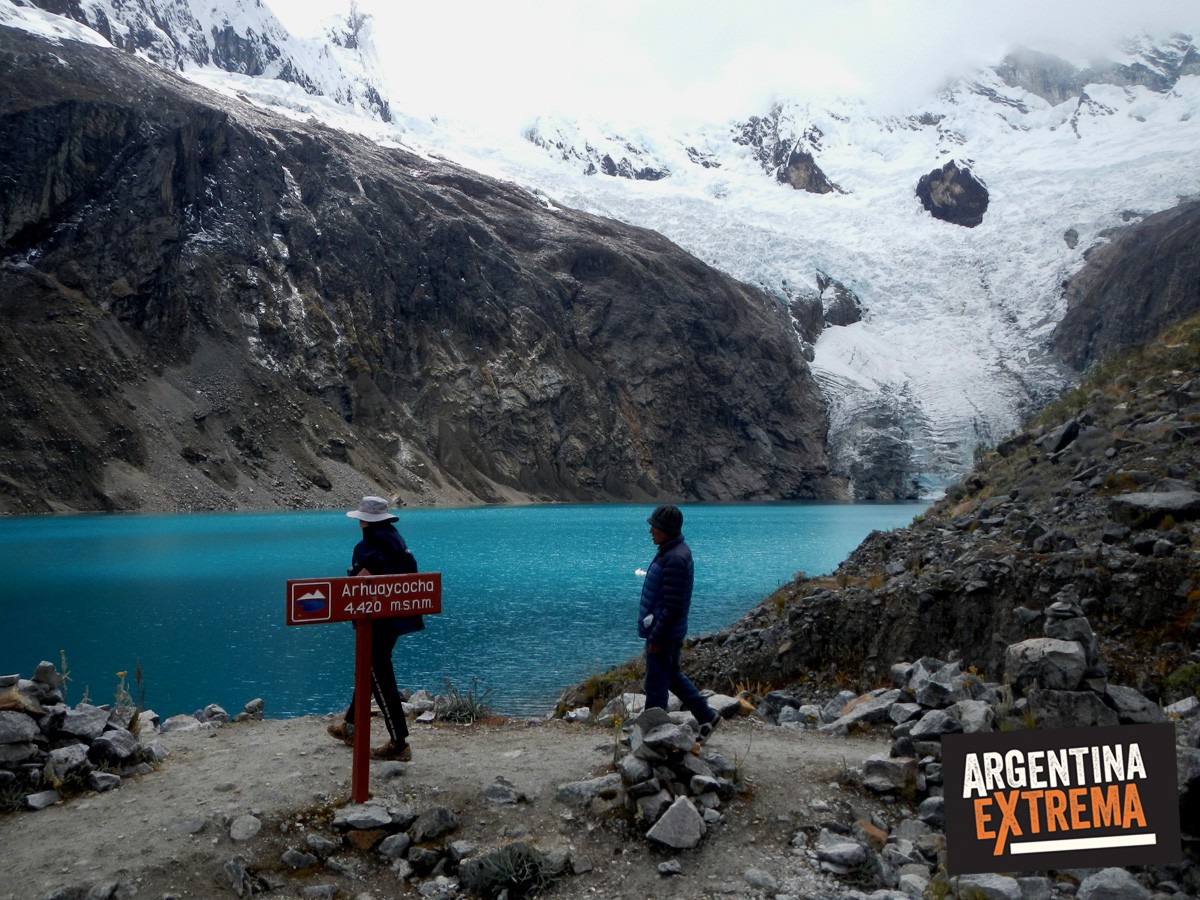
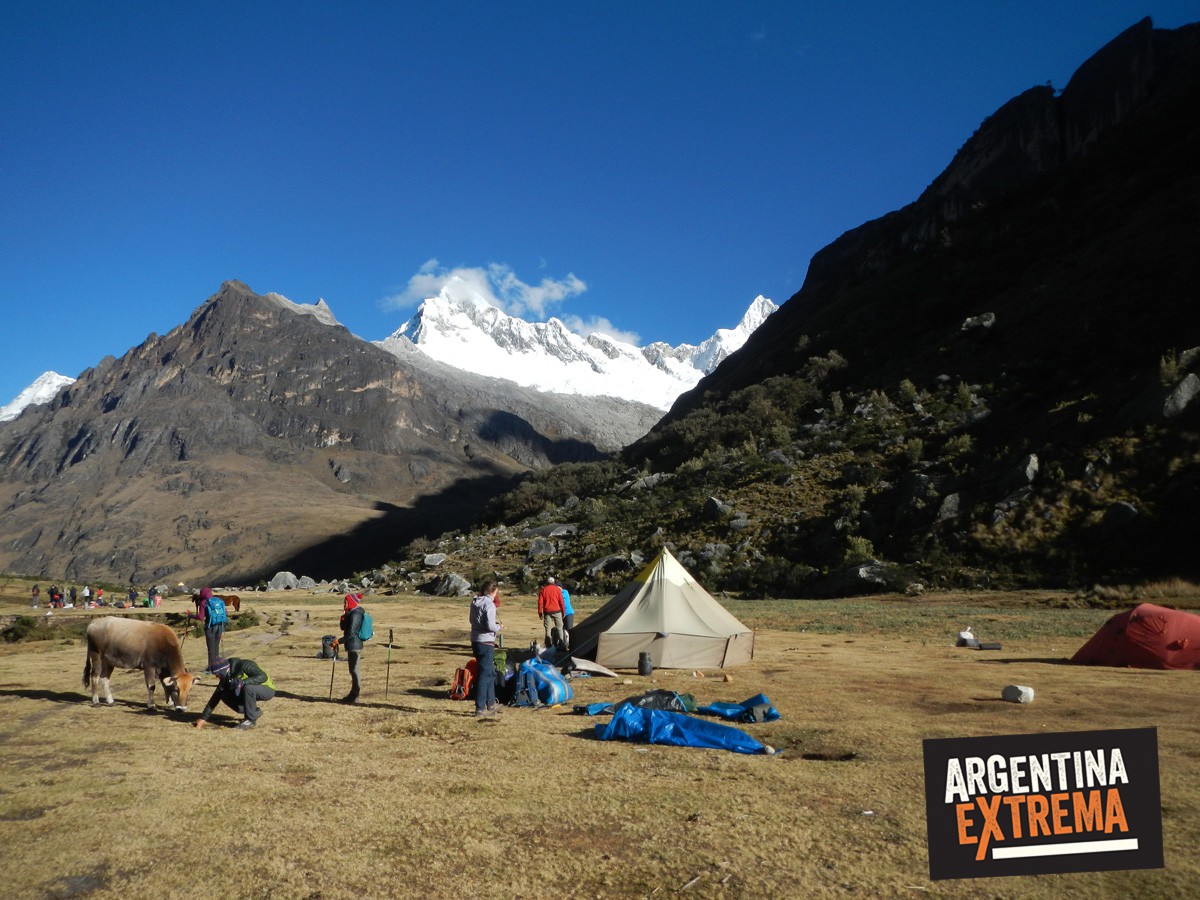
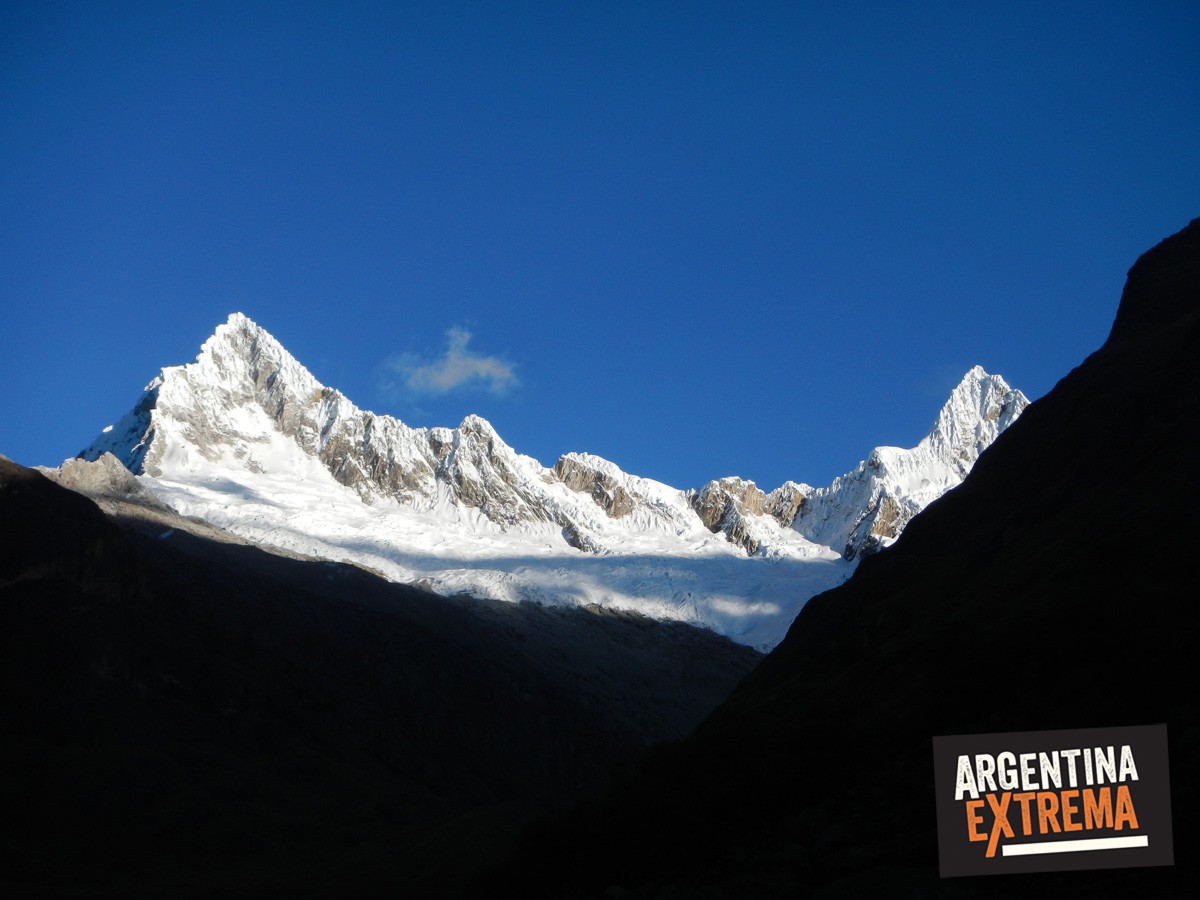
Day 5: Camp Llamacorral – 3760 m./ Lagoon Arhueycocha – 4350m./ Camp. Taullipampa – 4250 m. Second section of the trek where we ascend and get to know the Alpamayo base camp and a wonderful lagoon at its feet called Arhuaycocha (4500 masl); Then we arrive at the Taullipampa camp, at the base of the imposing Artesonraju.
Elevation : + 600 meters / Approximate walking time: 8 hours.
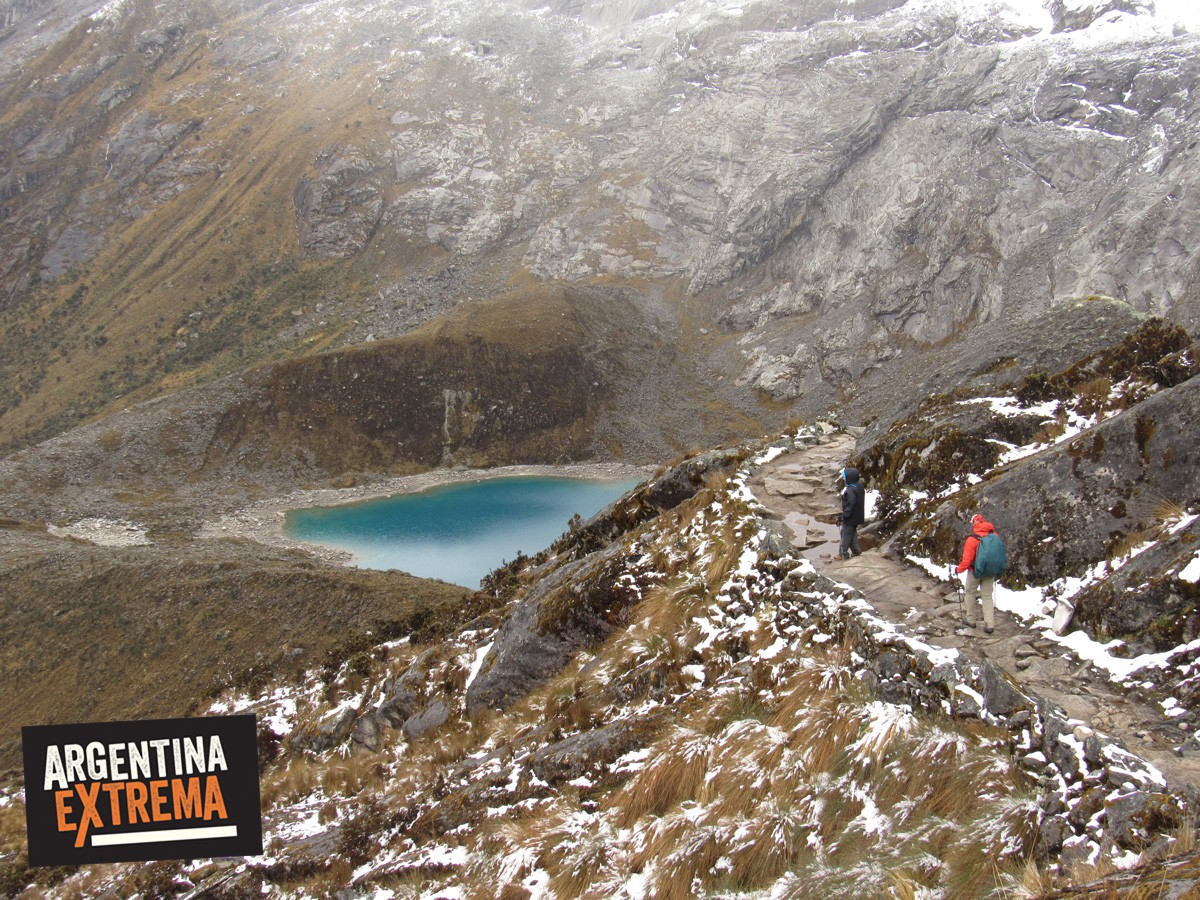
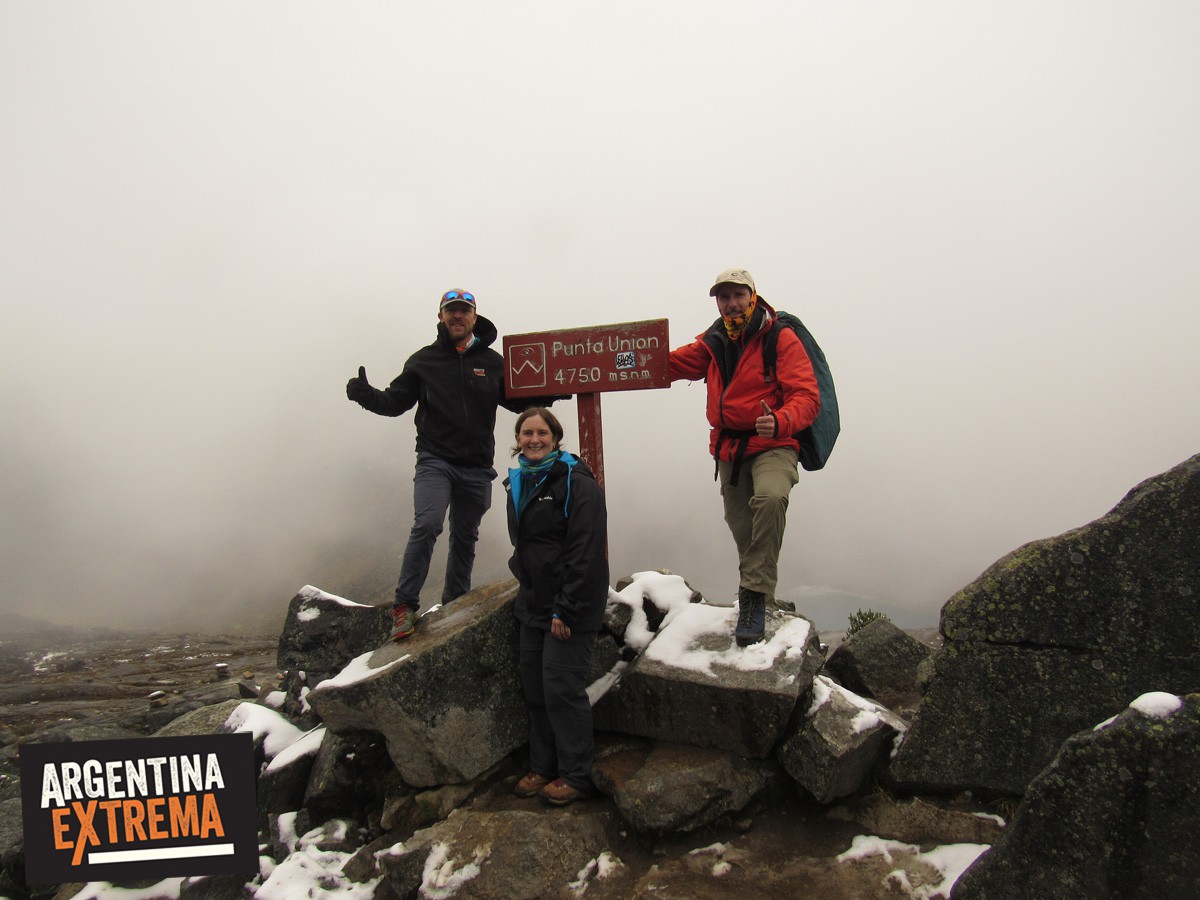
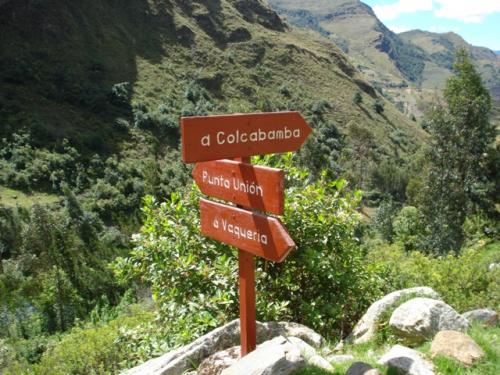
Day 6: Taullipampa – 4250m./ Punta Union Pass – 4750m./ Camp Cachinapampa – 3700m. Third section where we cross the pass of Punta Union and descend to the Llanganuco valley to arrived at the Cachinapampa camp at 3700 masl.
Elevation : + 500 meters / - 1000 meters . Approximate walking time: 8 hours.
Day 7: Camp. Cachinapampa – 3700m./ Vaquería – 3700m./ Camp. Cebollapampa – 3900m. / Pisco base camp 4600m. Last stage of the trekking journey, joining points. We finish in Cebollapampa and from there we will ascend to the Pisco base camp, at 4665 masl.
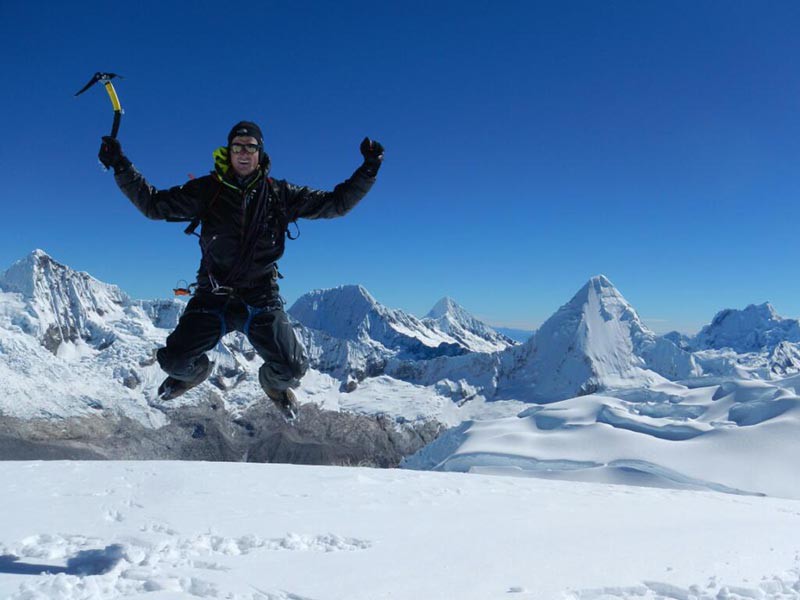
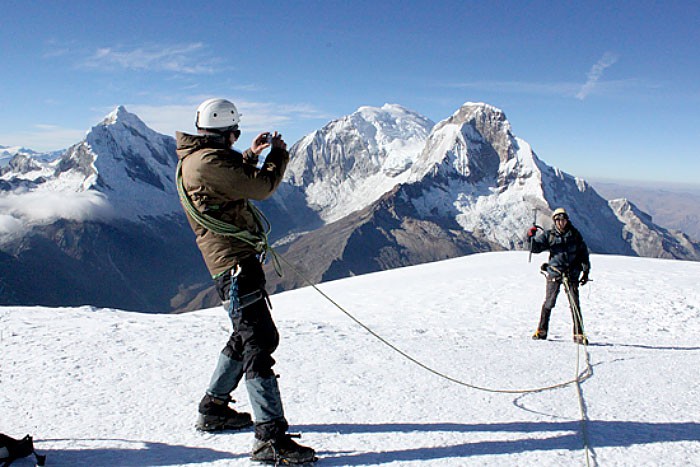
Day 8: Attempt to summit the Nevado de Pisco. Intense and long day. Descent to the base of the mountain. Transfer back to Huaraz. Night in hostel.
Day 9: Transfer from Huaraz to Lima. The end of the trip. We recommend air travel to return at night.
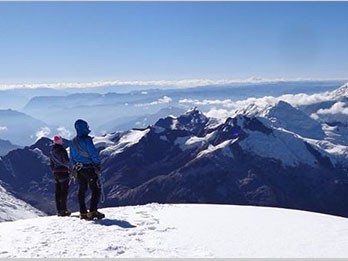
The ascent to Pisco is optional; those who wish to carry out only the trekking mode can do so and only reach the Pisco refuge.
Level of demand - Graduation of difficulties
Graduation of this trekking without ascent: M2-F4-T2-P3-A3
Ascent Graduation: M1-F4-T4-P4-A3
In our trekking, trekking and mountaineering / climbing programs, we have defined the graduation from 1 to 5, in the four points that we consider decisive: backpack, physical, technical and psycho (Psychological).
Backpack (M): This point has to do with the weight that we must transport in our backpacks. Trekking or crossings in which we have pack animals allow us to have to bear less weight on our backs. And the journeys of several days in Patagonia (without the option of having pack mules), in general make us carry more weight, especially in the first days.
Physical (F): We consider physical wear and tear that we can suffer both aerobically (climbs = possible shortness of breath) and muscular (endurance = many hours walking) and joints (descents = knees / ankles).
Technical (T): Technical difficulty is mostly based on terrain. How much can it cost us to climb a slope, if it is very steep or if we have to use our hands in some section (simple climbing), both on rock and snow-ice, or materials such as crampons and ice axes on other ascents.
Psycho (P): We maintain that this point, the psychological factor, especially in ascents, represents a relevant factor. Each one needs a factor of conviction, confidence, self-control and willpower to be able to achieve a goal. And depending on the attitude with which we face distances, unevenness, terrain and many other objective factors, we can achieve performance with very different results.
Height (A): It is the factor that the height above sea level influences us depending on the activity we carry out. Managing and overcoming the symptoms caused by altitude is the key to this point.
In this way, in two-day outings we can have the examples of:
1- the classic trekking with ascent to Cerro Tres Picos in the Sierra de la Ventana in the province of Buenos Aires, with round trip trekking and one night in the mountains in camp, we can give you a rating of: M2-F1-T1 -P1-A0
2- the classic ascent to the Lanin Volcano, in Neuquén, with a night in a shelter or tent, by the normal route: M2-F4-T2-P3-A1
And in outings of 5 days a full week, we can have the examples of:
1- Tour and ascent to the Nevado de Chañi, Jujuy-Salta, with porterage of mules a) Trekking without summit attempt: M2-F3-T1-P2-A2 b) Trekking with ascent to the summit (the difference is marked only on the day of the summit): M3-F4-T3-P4-A3
2- Trekking Crossing the Andes through Vuriloche Pass, Patagonia: M5-F3-T1-P2-A0
Hotel to recommend in Lima (cost apart)
in Hostels in Huaraz. Private rooms with two or more beds.
Mountain tents on the route, for two or three people.
Do I need to have previous experience?
For any mountain activity you need to have prior physical preparation, or be physically active.
Do I need to have previous experience?
No previous experience is required, if we recommend having good physical condition, and knowing that the modality is crossing, where you walk during the day with a backpack, and spend the night in camp
Where do we spend the night?
Overnight stay takes place in mountain camps in igloo-type tents, comfortable and for 2/3 or 4 people.
Do we have to carry a tent?
Tents are included in the service.
What is the weather like?
Warm during the day and cool at dusk and dawn.
Do we have any breaks/stops during the ascent?
Yes. We have breaks for lunch, snacks and rests.
What is the minium age to be part of the expedition?
13 years old
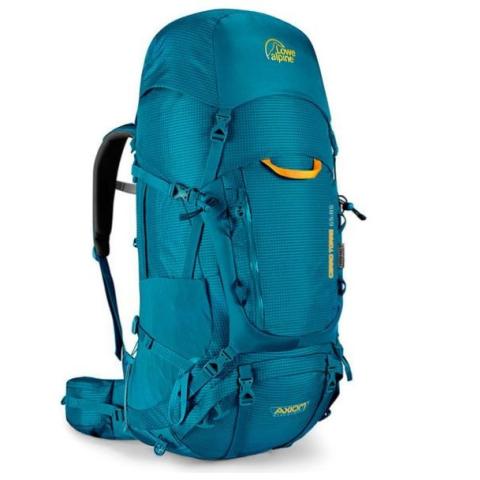
How much does the backpack weigh?
Between 7- 10 kilos
Is there a porting service?
We have a donkey portering service, which will carry the general equipment, such as kitchen items, food, tents, and security elements, in the sections from one camp to another.
What do we eat?
In these expeditions we adapt to the regional foods offered by the service providers whom we hire. Wide and tasty variety. Complete the form to see if there is something you do not eat.
Click on each indicator to see details
Backpack: Weight / Duration of the Day.
Physical demand
Technician: Difficulty in the Field / Equipment.
Psychological Strength
Height Exposure
Each aspect is evaluated from 20% to 100%, where:
Previous experience and good physical condition required.
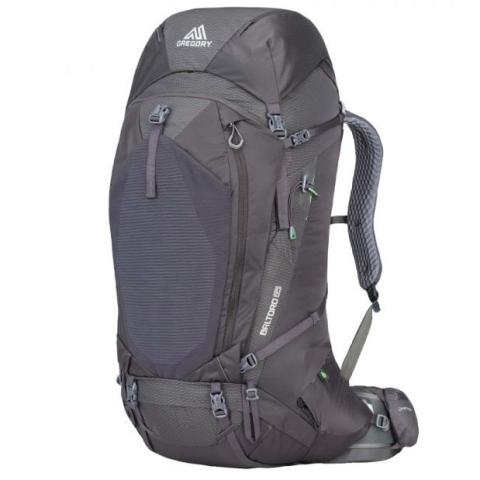
EQUIPMENT
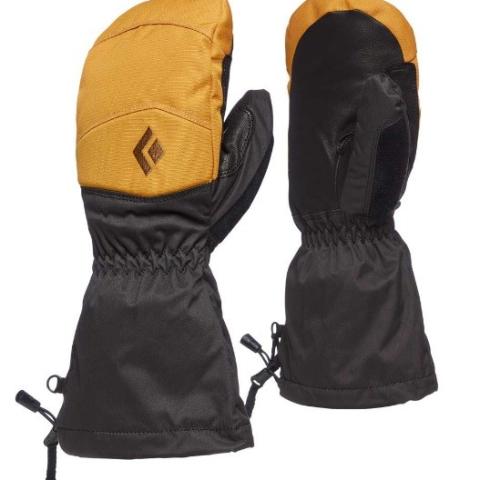
CLOTHING
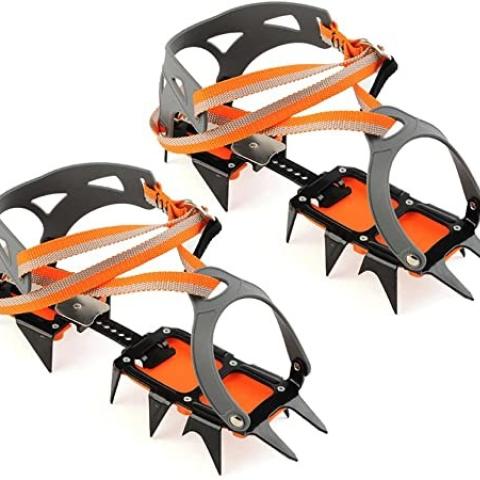
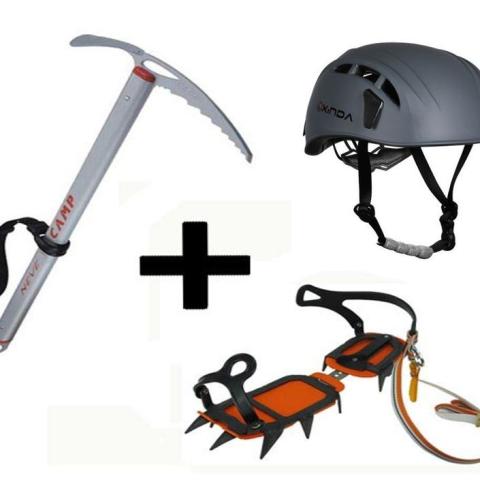
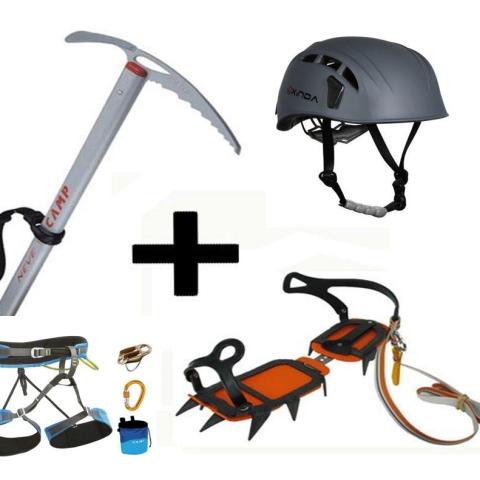
TECHNICIAN FOR THE ASCENT TO PISCO
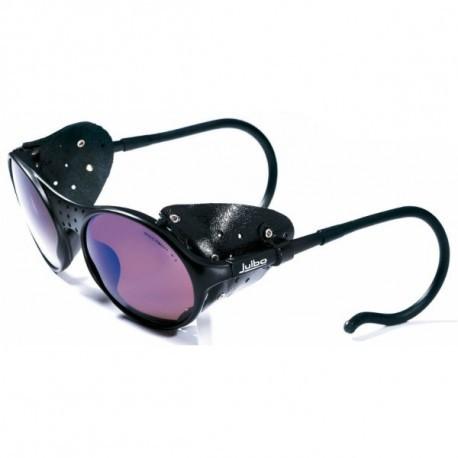
PERSONAL ITEMS
SEVERAL
WATER
OPTIONAL, not mandatory (see space and weight)
Available
Available
Available
Available
Available
Available
Available
Available
If you have questions about this adventure, we look forward to hear from you!
For an immediate response, contact us via WhatsApp 54 9 1170623800
We will respond to you promptly, so you can prepare for your next great adventure 🏔️