When we're about to head out to the mountains or on a trek where we'll have to sleep outdoors or inside a tent, we should always think about the item that has to more than make up for the warmth we usually get from our own bed: the sleeping bag. It is, after all, what will keep us from losing body heat while we sleep and will help us get good rest.
The first thing to consider when looking at sleeping bags to buy is where we're going to use them, since using one for a trek in the north, in Patagonia, or a climb above 5,000 masl is not the same thing.
There's no sleeping bag today that covers every range, so the deeper we get into the field and the variety of options, the more we'll find ourselves needing to diversify our purchases and, perhaps, get one for each type of activity.
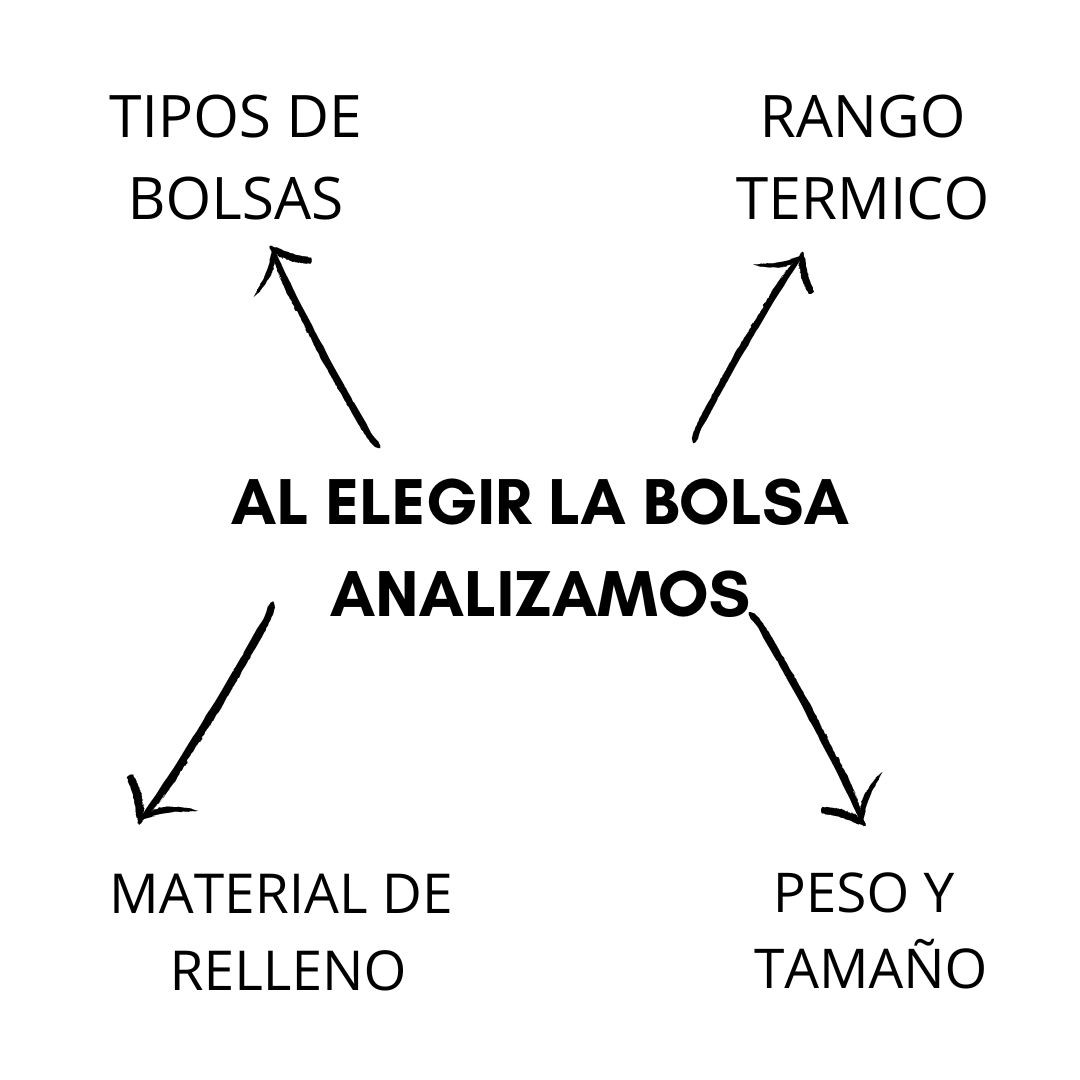
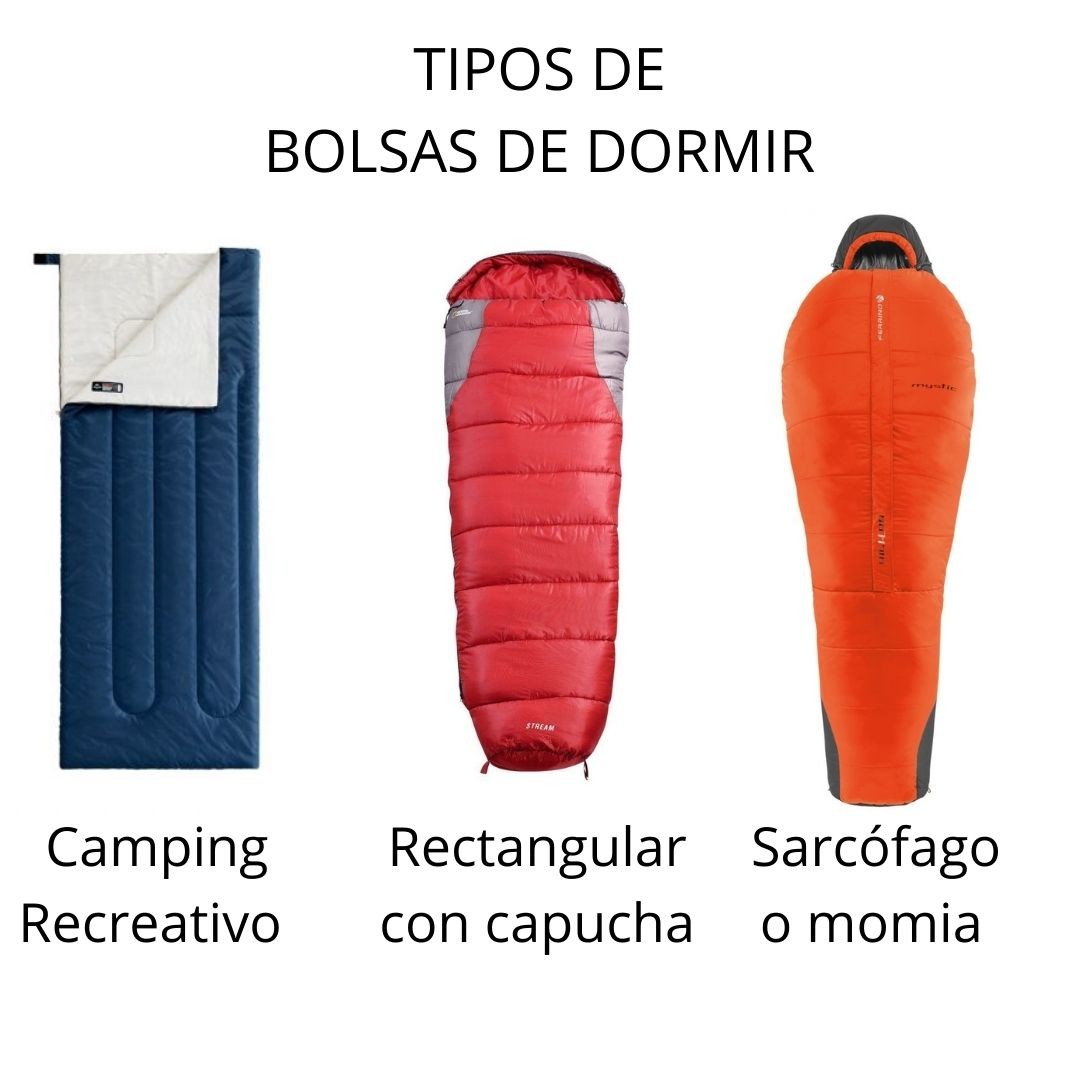
Types of Bags: There are many types of sleeping bags that aren't suited for trekking, made instead for basic recreational camping. You can tell them apart by the following details:
- Mummy shape.
- Adjustable hood.
- Zipper draft flap.
- Double stitching, inner and outer (prevents heat loss through the seams).
- States the fill material and a usage temperature.
Temperature Range: This tells you roughly what temperatures the sleeping bag can handle. It's worth noting that sleeping bags tend to exaggerate these temperatures, since there's no real standardized testing for them. These temperature ranges are known as:
- Maximum temperature: The highest temperature at which an 80 kg man can sleep comfortably without sweating too much.
- Comfort temperature: The lowest temperature at which a 60 kg woman can sleep comfortably.
- Limit temperature: The lowest temperature at which an 80 kg man can sleep comfortably
- Extreme temperature: The lowest temperature the sleeping bag can be used at; it will feel cold and a 60 kg woman could suffer hypothermia.
It's also worth noting that we should pay attention to the limit temperature rather than the extreme one, since below the limit temperature we may run into trouble getting proper rest.
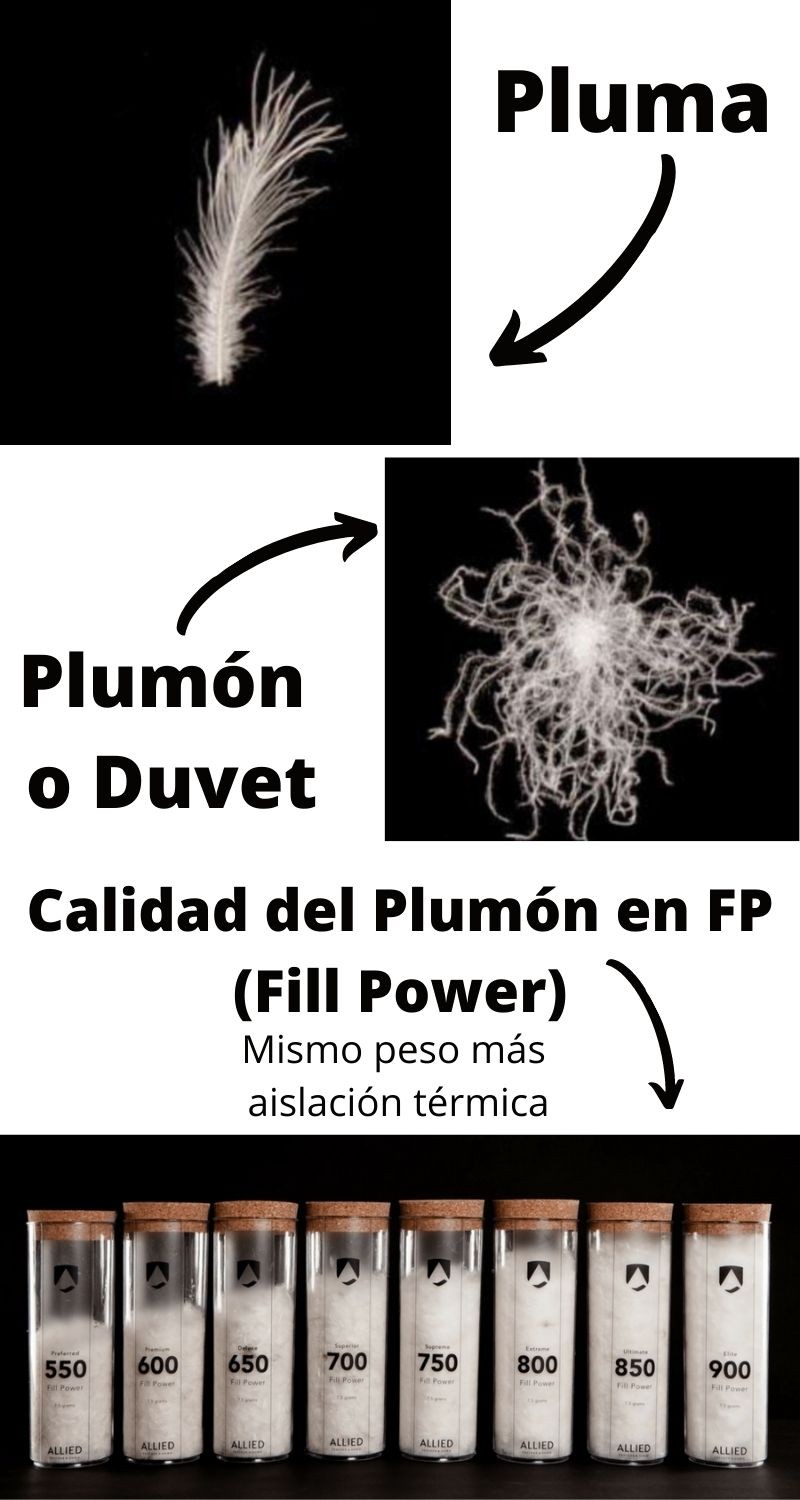
Fill Material: Sleeping bags fall into 2 different types of fill:
- Natural Duvet (Down) or Feather Fill: Down is the plumage found on the bird's chest area; it's soft, fluffy, and known for clustering together, giving great thermal insulation, while feathers are the bird's more superficial plumage, so their quality and insulation are lower. Sleeping bags use different ratios of down and feathers; the higher the down percentage, the better the bag's quality, with greater compressibility and insulation. Down also comes in different qualities, which can be seen through a number called the LOFT or FILL POWER (FP) index, which describes the down's ability to trap air; this index ranges from 100 to 1000, and the higher the number, the better the quality of the down. Advantages: These sleeping bags are the best option in terms of weight-to-insulation ratio, ideal for trekking or treks where weight needs to be kept to a minimum. Disadvantages: If they get wet they lose their insulating capacity and can be damaged. They're not the best choice in warm, humid climates.
- Synthetic Fill: Synthetic fibers try to imitate down as closely as possible, aiming for the same insulation. To this day, no synthetic material has managed to match down's insulation, weight and compressibility. Some have come very close, but they tend to be bulkier and heavier, making them uncomfortable for long expeditions where minimal weight and maximum backpack space are needed. These also come in different qualities; today there are materials like Polarguard 3D, Hollofil, Down Cotton and Thermolite, which have come closest to matching down. Advantage: The main advantage is that even when wet it retains its insulating capacity (unlike down), it dries faster, making it less sensitive to moisture, so it's the best choice for treks in humid areas. It's also cheaper than down. Disadvantages: The material's size and weight make it less appealing when that's essential.
Weight and Size: Weight is one of the main things to consider, since we'll be carrying the sleeping bag on our back, and on treks where you walk for several hours, every gram you can save in weight is extra relief. The weight of the sleeping bag will depend on how it will be used and what it's filled with; when traveling to colder places, our bag will need to insulate us properly, so it will need more fill, and down bags tend to be lighter than synthetic ones at the same temperature rating, while also compressing more and taking up less space in the backpack.
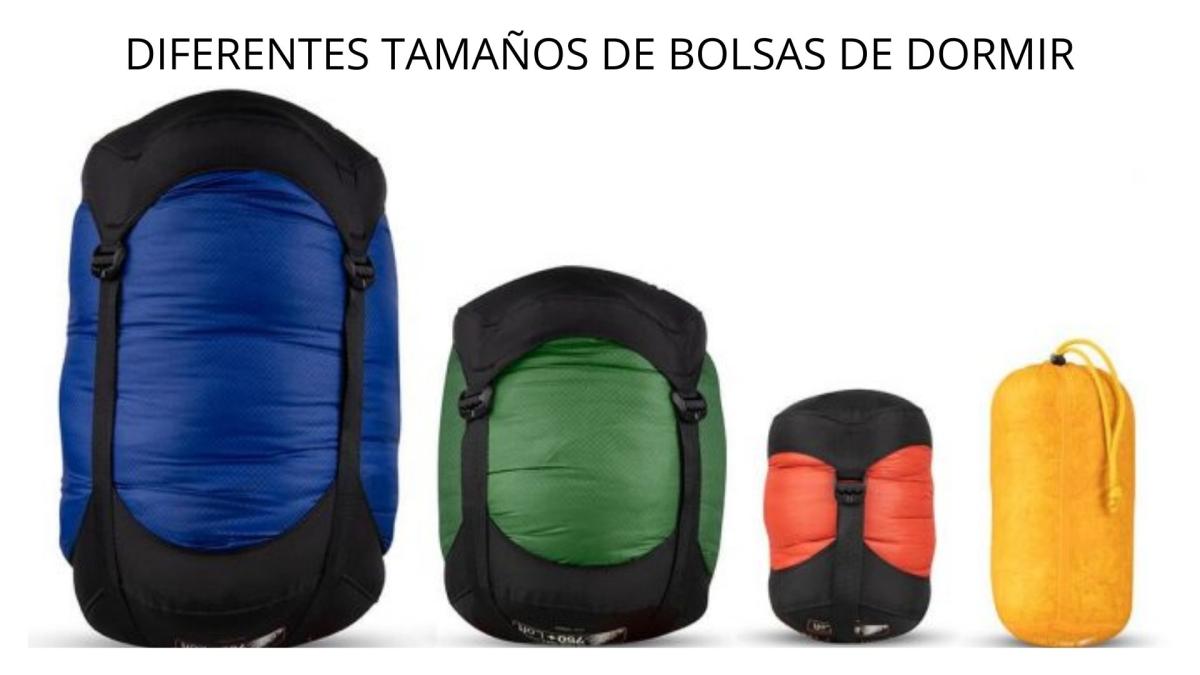
As we saw, when choosing a sleeping bag we need to think about what use we'll give it, and from there choose based on the analysis of the points above.
If we want to go somewhere with mild to warm temperatures both day and night, we won't need a down bag; a synthetic one will do just fine.
When we do mountain treks where weight isn't a drawback, because there's porter support or because it's a base-camp-style trek where we sleep in one spot, a good synthetic sleeping bag can work even if it's heavier.
On the other hand, if we do a mountain expedition/trek where we're carrying loads and there will be very low temperatures, it's always recommended to use a down sleeping bag, for the sake of weight and space comfort.
If you're heading out on a trip with us and aren't sure which sleeping bag to bring, don't hesitate to ask us.