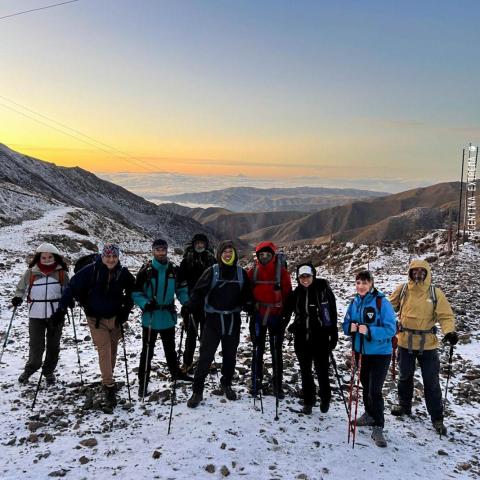
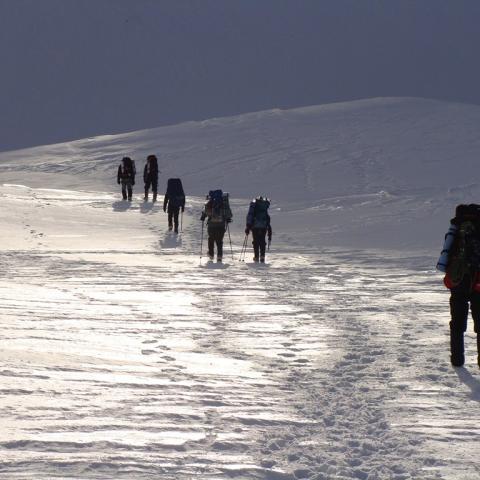
We know that climbing a mountain demands a lot: research, getting in shape, gathering gear, planning the climb, etc. But it also means making decisions, since we're an active part of a group. Mental preparation always helps for those times when plans aren't perfect (and they never are) and you have to improvise and make quick decisions. The question is how? In this article I propose two exercises that can help us work on this. Lastly, I consider both Western and Eastern teachings valid and, rather than set them against each other, I propose here that we draw on these centuries of vast knowledge.
We have to start somewhere. The first exercise follows a line of Western thought. To explain it I'll quote a passage from Claúde Levi-Strauss*: “The method consists of pitting two traditional opinions on the question at hand against each other: bringing common-sense reasoning into the first one, which is then dismantled by the second; and finally, rejecting both together through a third position that reveals the equally one-sided nature of the previous two”. Let's take any example to illustrate this. The much-debated origin of tango. We pit two opinions against each other: “Tango is Argentine and not Uruguayan”. We lay out the reasons we think tango is Argentine; then we dismantle them one by one with the reasons claiming tango is Uruguayan; third and finally we reject both, revealing that tango is Rioplatense. Tough going? If it was, let's move on to the second exercise.
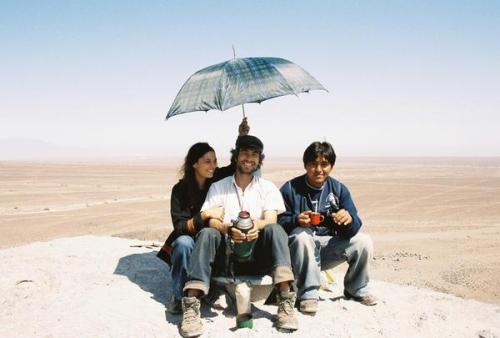
Let's cross the globe. To the East. Let's go to the small Indian town of Rishikesh in Uttarakhand, on the banks of the Ganges River and at the foot of the Himalayas. There, surrounded by a Kipling-esque jungle of monkeys, elephants and tigers, lives the teacher Surinder Singh. Talking once about how hard human relationships can sometimes be, he explained to us, with all those pauses and silences typical of Eastern teachers, that on the outside we need to be like a stone: hard and impenetrable. That outer hardness protects us from attacks and from showing reactions we often don't want to show: irritation, annoyance, discomfort, etc. As long as this hardness doesn't seep inward. Quite the opposite, we should be soft on the inside. Giving ourselves inner flexibility makes us more tolerant and elevates our thinking, allowing us to reach a different outcome. So when you're in a group and there's a decision to make or an action to carry out, you have to make the effort to understand the other person's point of view. If you show how irritated you are on the outside or become too hard on the inside, you're very likely to have a negative impact on others. Staying locked into your own thinking, your own point of view, doesn't help. You have to find the most reasonable solution, not simply the one that gets imposed just because it's yours. And with good will, that's always possible.
These seemingly simple exercises need to be practiced day by day to prepare for the climb (and they won't do us any harm in life either), and over time they become easier and easier to put into practice.
*”Tristes tropiques”, 1955. He sums up his philosophy career in this useful teaching, which later served him so well throughout his career as an ethnologist.